Author Archives: Henrik Brandt

walking[1]

The Great Wall Marathon 2015

May 21 2015

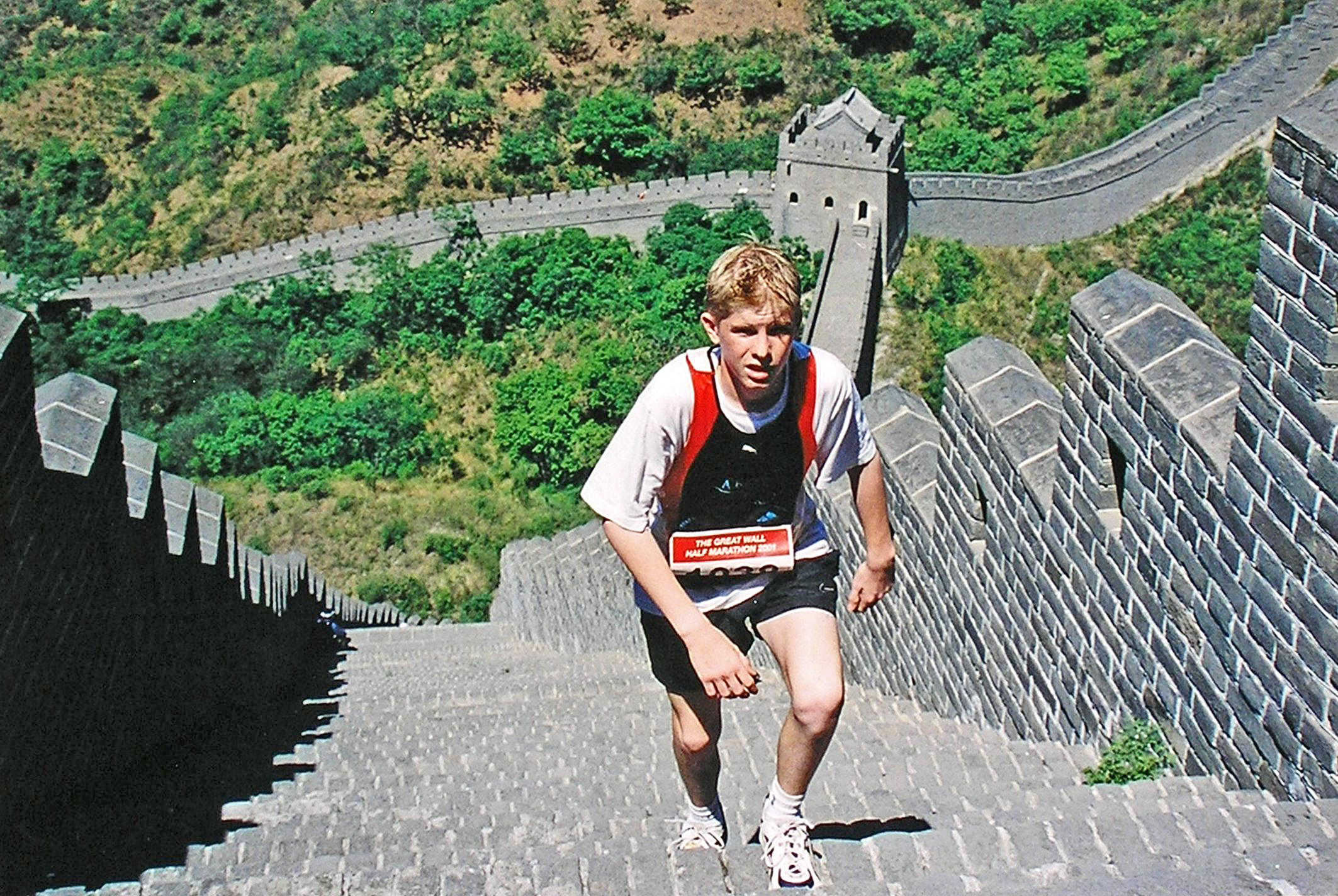
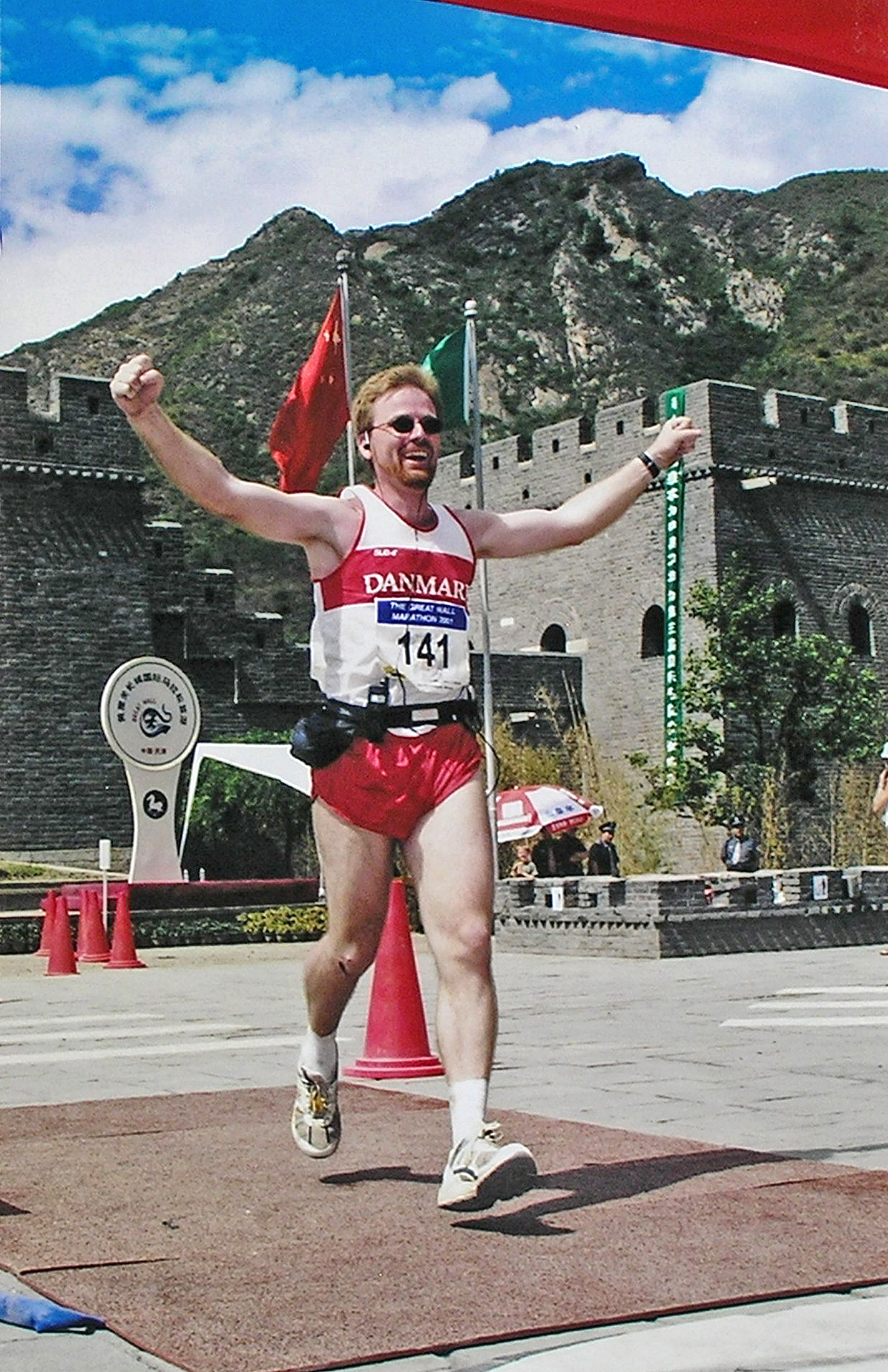
With an injury in the thigh I managed to complete this year’s edition of
The Great Wall Marathon in sharp trot. In fact, my finish time was my 8
best through the 16 years. Strange that powerwalk can match running.
For a day the title as Mr. Great Wall became to Mr. Great Walk.


walking[1]

???????????????????????????????

The Polar Circle Marathon 2001

May 20 2015

The dynamic trio’s third initiative


Having already sent us on three trips to the heat in China and one to the African Savannah, the organisers behind Adventure Marathon obviously thought it was time to cool us down a bit. Not long after we got home from The Karen Blixen Marathon in 2000, I received a letter from Albatros with news of their next initiative. The letter started with “Welcome home from Kenya!”, and then continued with information about the run in Greenland. There had been advance publicity for it in the tabloid BT, and considerable interest was being shown in the race.


The marathon was to be run in Kangerlussuaq north of Greenland’s Polar Circle. The unique and difficult route would take us to the enormous glacier tongues that mark the limits of Greenland’s inland ice. It would also take us right up on top of the 150,000 year old ice, but also over moraine plains and tundra, past melt water lakes and waterfalls through the fascinating Arctic desert, where musk ox and reindeer graze on the sparse vegetation.


I wasn’t in doubt for a moment that I was going to run in this marathon, and it was just as certain that the boys would be coming along with me. More members of my family also wanted to join us on this fantastic journey, so in the end we were a group of seven.


First day in Greenland


We met up at Copenhagen Airport on our day of departure, 5th September, at eight in the morning and were already in Greenland by 11.15. This was not, of course, due to a very fast plane but to the natural time difference between Denmark and Greenland.


Our hotel was in the airport building itself, which couldn’t have been easier. Already half an hour after our arrival, there was an information meeting about the locality and in particular, the marathon. After this, we went on a sightseeing tour of the area by bus and saw a musk ox and a couple of reindeer. There were no further shared activities planned for that day and after supper we went to bed quite early. I would later regret not having overcome my tiredness to attend a concert in town. The Danish band Dodo and the Dodos had played, and many people were thrilled with the experience.


Kangerlussuaq


Kangerlussuaq is the Greenlandic name for the 180 kilometre long Søndre Strømfjord and means quite simply the big fjord. Because of the very stable weather conditions, the Americans had chosen the place to build an airbase during the Second World War. The airfield had been very important for many years because it was the main port of entry to Greenland. After the American military had pulled out of the area in 1992, the civil authorities took over. All the town residents were linked in some way to the airport’s operations, and the area still had the character of an airbase although you didn’t have to go very many hundred metres from the town to sense the immense nature of Greenland.


Climbing a mountain


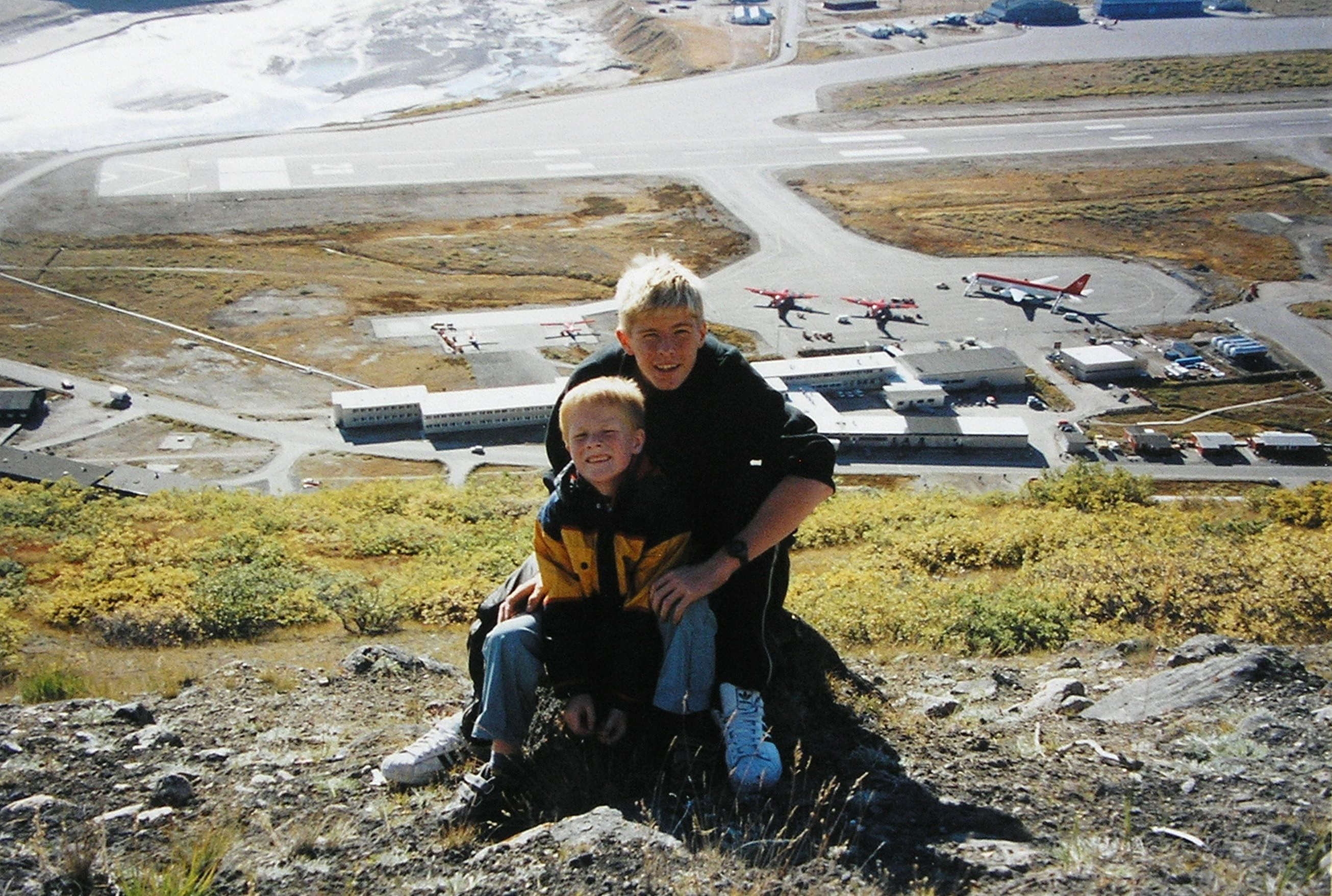
The boys and I spent most of the Thursday climbing up a mountain. There was a mountain not far away from the hotel, and we decided to climb to the top of it. Of course, this was not proper mountaineering, although there were some very steep slopes which were almost painful to climb. Our calf muscles became very tight from time to time. The mountain was actually much higher than we had realised, and every time we thought we had reached the top, we had only reached another ledge, which was followed by another climb. In fact, it was impossible to see the summit of the mountain from below, and we never did get all the way up. However, we were so high up at one point that we had a superb view of the entire area. We could see buildings, the airport, mountains and lakes and in the far distance was the inland ice. We decided not to continue on up, simply because we couldn’t see how high the mountain was. Because of the many loose stones on the steep paths, we had to be just as careful on the way down as on the way up. We were later told that we had climbed up the world’s second oldest crag, which is several billions of years old.


???????????????????????????????


Majestic visit


When we arrived back at the hotel, it turned out that prominent visitors had arrived in our absence. HM the Queen of Denmark, no less, was staying on our corridor at the hotel. The Queen’s visit had been by pure chance. She was to participate in festivities in connection with the Greenland Commando’s Golden Jubilee, but her journey had been interrupted by bad weather and fog. Three planes had arrived in Kangerlussuaq from Copenhagen at intervals of just a few minutes. In the Queen’s entourage where Prime Minister Poul Nyrup Rasmussen, the head of the armed forces Christian Hvidt and Stuart Bernstein, the newly appointed United States’ ambassador to Denmark. The Queen spent the afternoon observing musk ox on an excursion in the area. I didn’t manage to see the celebrities until they were on their way to their destination the following day.


???????????????????????????????


Excursions


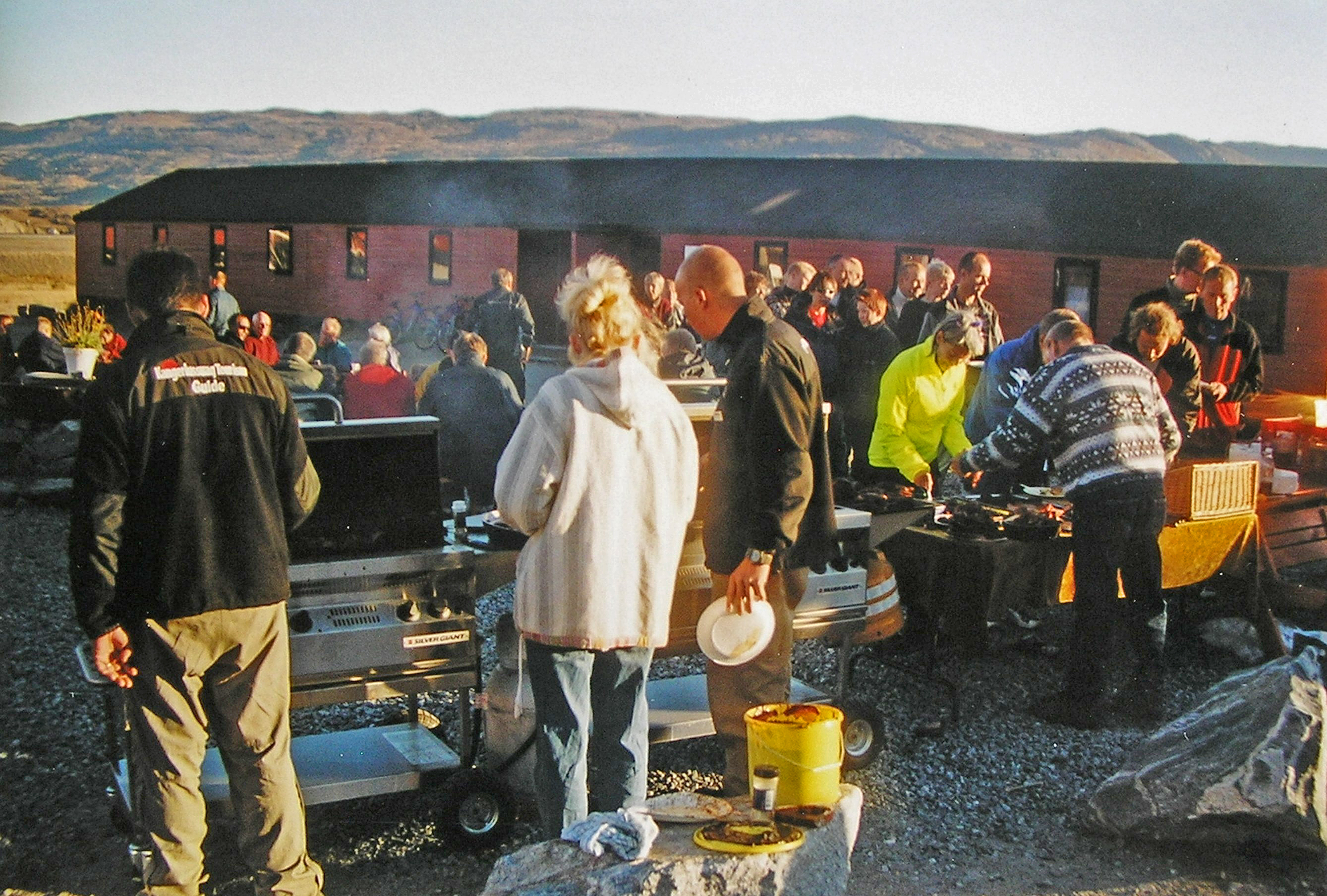
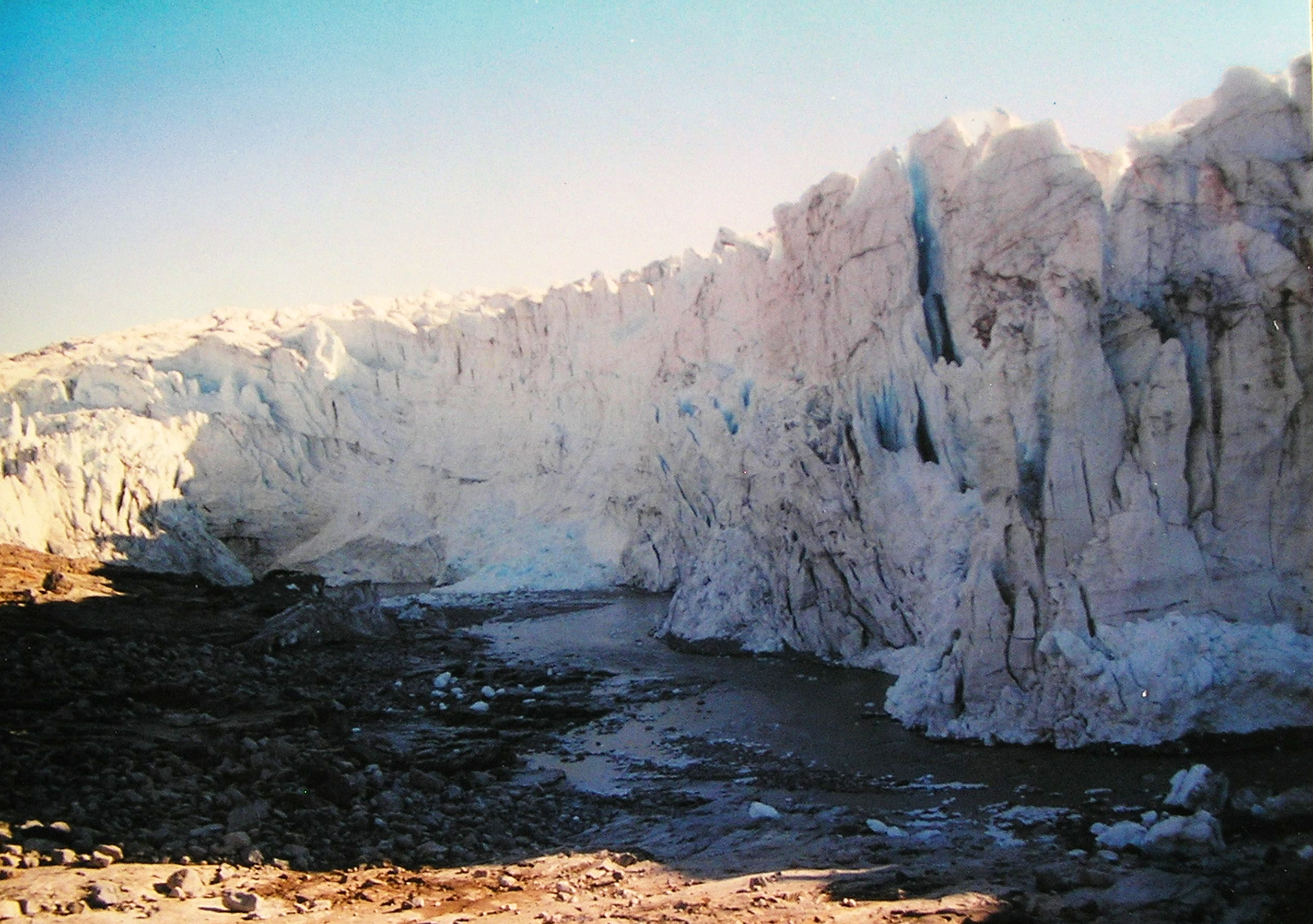
Immediately after breakfast on Friday morning, we set off on an excursion with our 4x4s to get out and see some wildlife and magnificent countryside. We had had musk ox for dinner the previous evening, along with barbecued reindeer and seal meat outside on the veranda at the youth hostel. Now we saw musk ox alive and kicking. The beauty of the inland ice made a deep impression. It is almost impossible to believe that something can be so magnificent. We stopped at a place where there was a perfect view of the ice, and we saw a huge block of ice detach itself from the glacier and crash thundering down.


???????????????????????????????

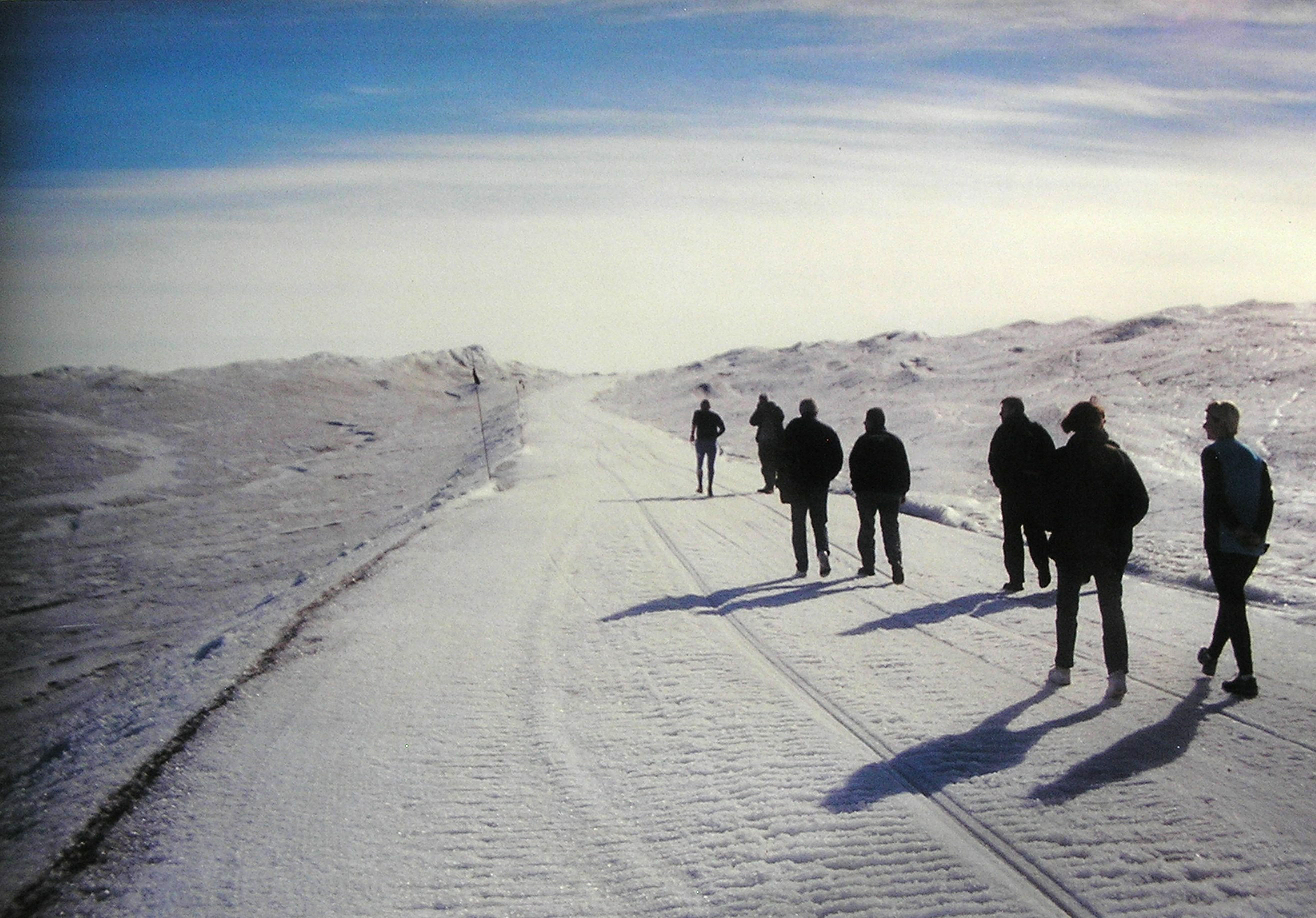
Saturday was also reserved for exploration. In the morning, we went out to view the route and went right to the top of the inland ice where we were to run the following day. It was bitterly cold, although indescribably beautiful. There were ice and snow everywhere and on the horizon we saw the most fantastic landscape you can imagine.


VW test track


A bit further out onto the inland ice was a test track, built by Volkswagen, with a diameter of 50 kilometres for them to test cars of the future under extreme climatic conditions. The track had been established a few years earlier in agreement with the Greenland Home Rule Government, and for Kangerlussuaq’s 600 inhabitants this polar test track meant sound growth. The men at the test track obviously needed hotel beds, food, health and emergency services, guards and advanced infrastructure for the research results to be exchanged with VW’s headquarters in Wolfsburg in Germany. Besides VW, the track was also used to test vehicles made by Audi, Seat, Skoda, Rolls-Royce and Lamborghini.


But the area was high security, and unauthorised persons were allowed nowhere near it. There were stories of tourists in the area having photo and video equipment confiscated because they were suspected of engagement in industrial espionage. Now, however, the VW Group had condescended to allow a marathon to be run in the vicinity.


On horseback


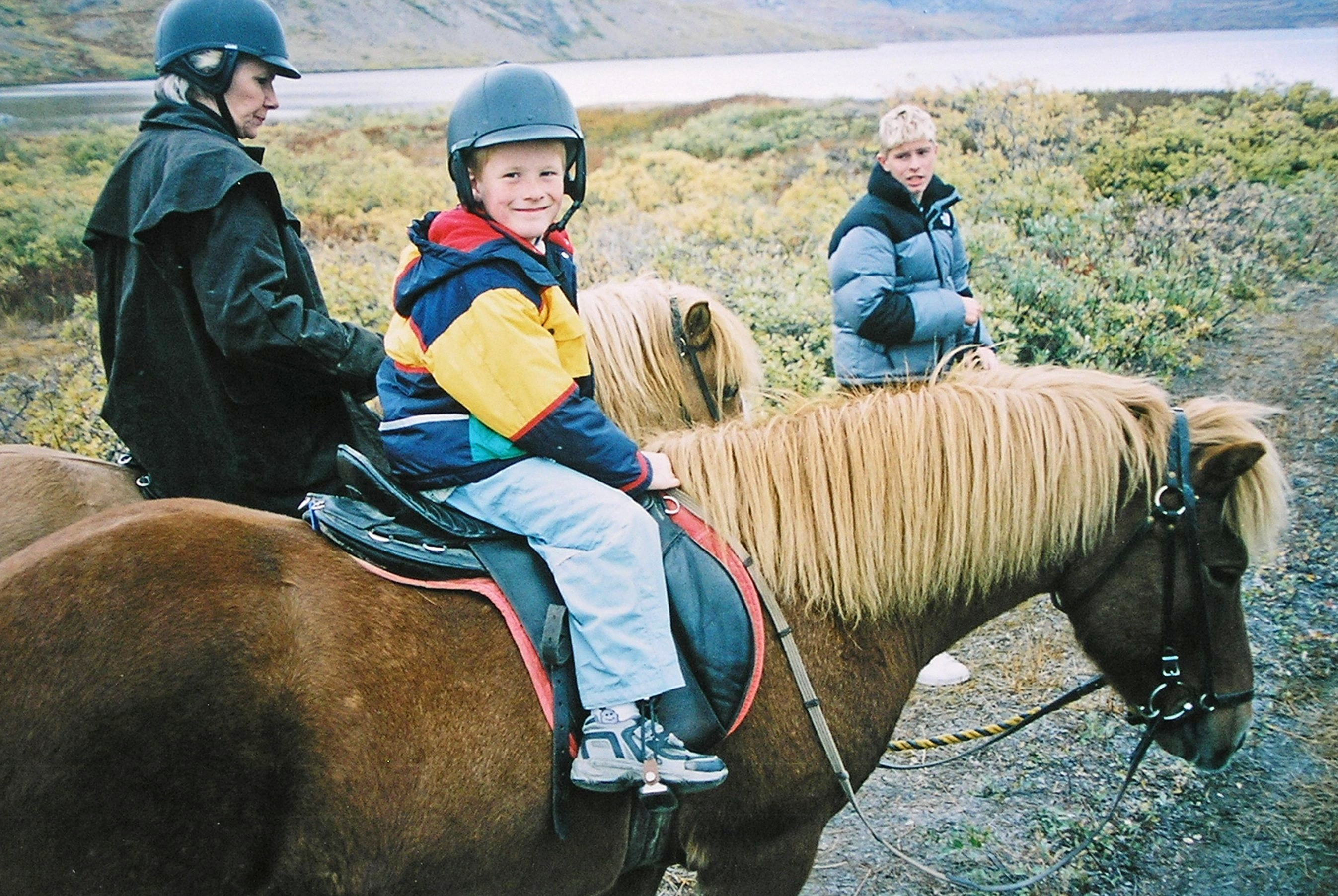
After lunch my stepmother Elisabeth, the boys and I went riding in the area around the airport. Elisabeth has ridden all her life and is highly competent, but the same could not be said of the rest of us. We rode Icelandic ponies on a two hour excursion with a guide. Although the countryside was absolutely fabulous, we were a bit disappointed. We had been told that we might see musk ox and reindeer, as well as a lot of birds of prey, but we saw nothing. But nature cannot be programmed so that it fits in with the plans of the tourist agencies and we enjoyed the ride despite the absent wildlife.


???????????????????????????????


Sudden impulse


After the obligatory pasta party the evening before the run, we were sitting in the hotel cafeteria drinking coffee and tea. Steffen suddenly surprised us with the announcement that he wanted to run the marathon the following day. He had previously run half-marathons in Kenya as well as China. But here there was only the full distance, so it was a case of either or. Steffen believed that within the seven hours permitted; he would be able to run half the way and then walk the rest. I won’t pretend that I’m an expert when it comes to whether or not it is responsible to allow a 13-year-old boy to run a marathon, so we consulted Thomas from the Athletics Federation and the medic, Mogens, both of whom was sitting in the cafeteria. Thomas had no hesitations about allowing Steffen to start, although he asked him to take it easy and perhaps walk the first 17 kilometres until he had been on the inland ice and returned to the start. Then he would be able to run the last 25 kilometres to the finish. It was a good job Steffen had running shoes with him and that I had an extra snowsuit.


The coolest marathon on earth


On Sunday 9th September, the day of the first Polar Circle Marathon arrived, and we were to get up early because the bus was leaving for the start at 7.15 a.m.


???????????????????????????????


It had been raining, but dry weather was forecast for the day of the marathon. On the other hand, it was windy and rather cold. Both Steffen and I were, therefore, dressed up nice and warm. We had some large bags and elastic bands in our pockets so we could hand in clothes at the water stations as we gradually warmed up and got away from the inland ice. But we never did hand over any clothing. I didn’t dare, which was rather fortunate as it turned out. I felt very warm at one stage but made do with tying my running jacket around my waist. It came to my rescue a bit later when it got cold, and I needed all the clothing I had.


The route


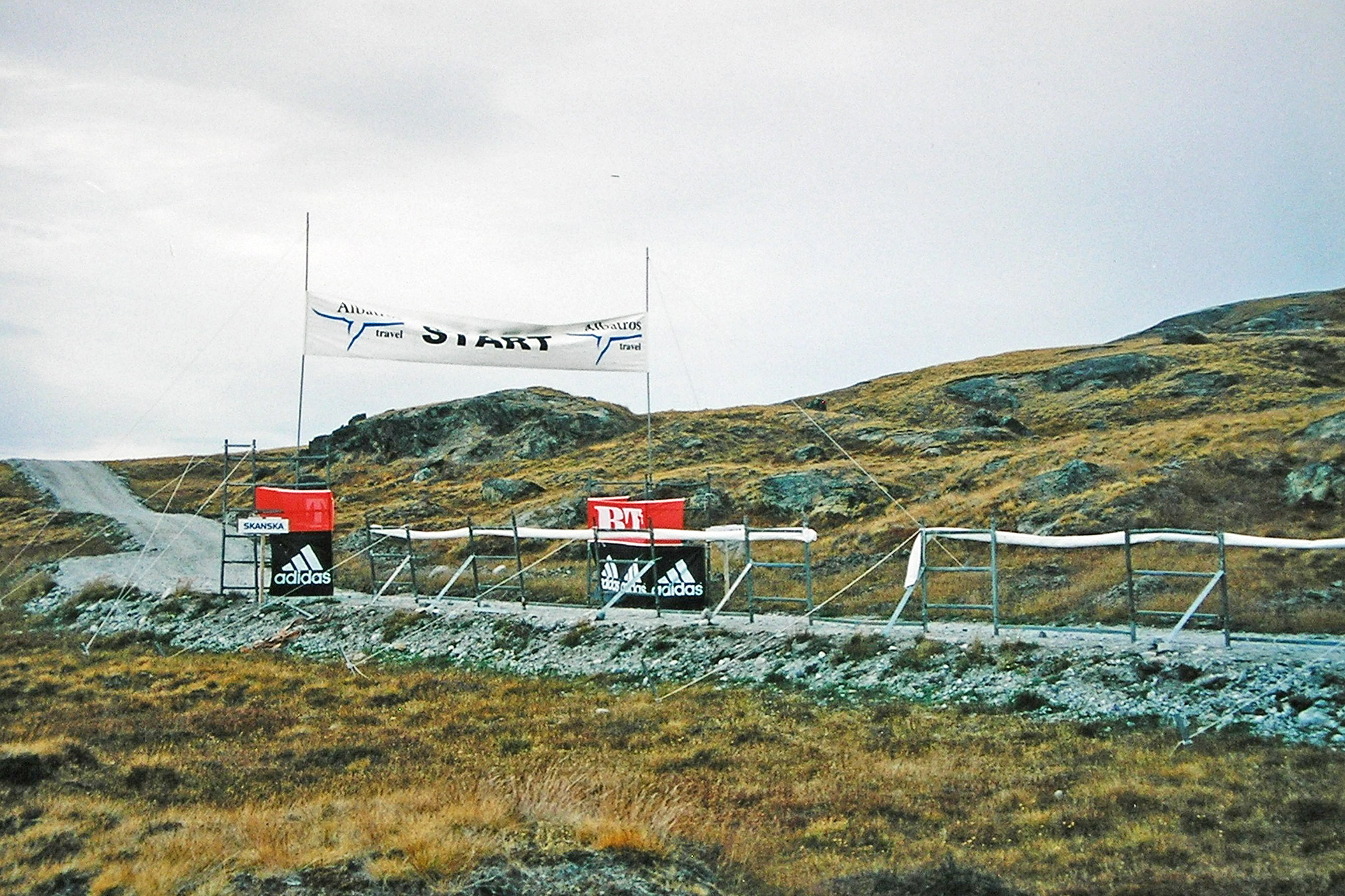
The marathon route stretched 35 kilometres from Kangerlussuaq to the inland ice, of which about seven kilometres would be run in both directions. The start was some way from the edge of the inland ice, and the finish was on the runway in Kangerlussuaq.


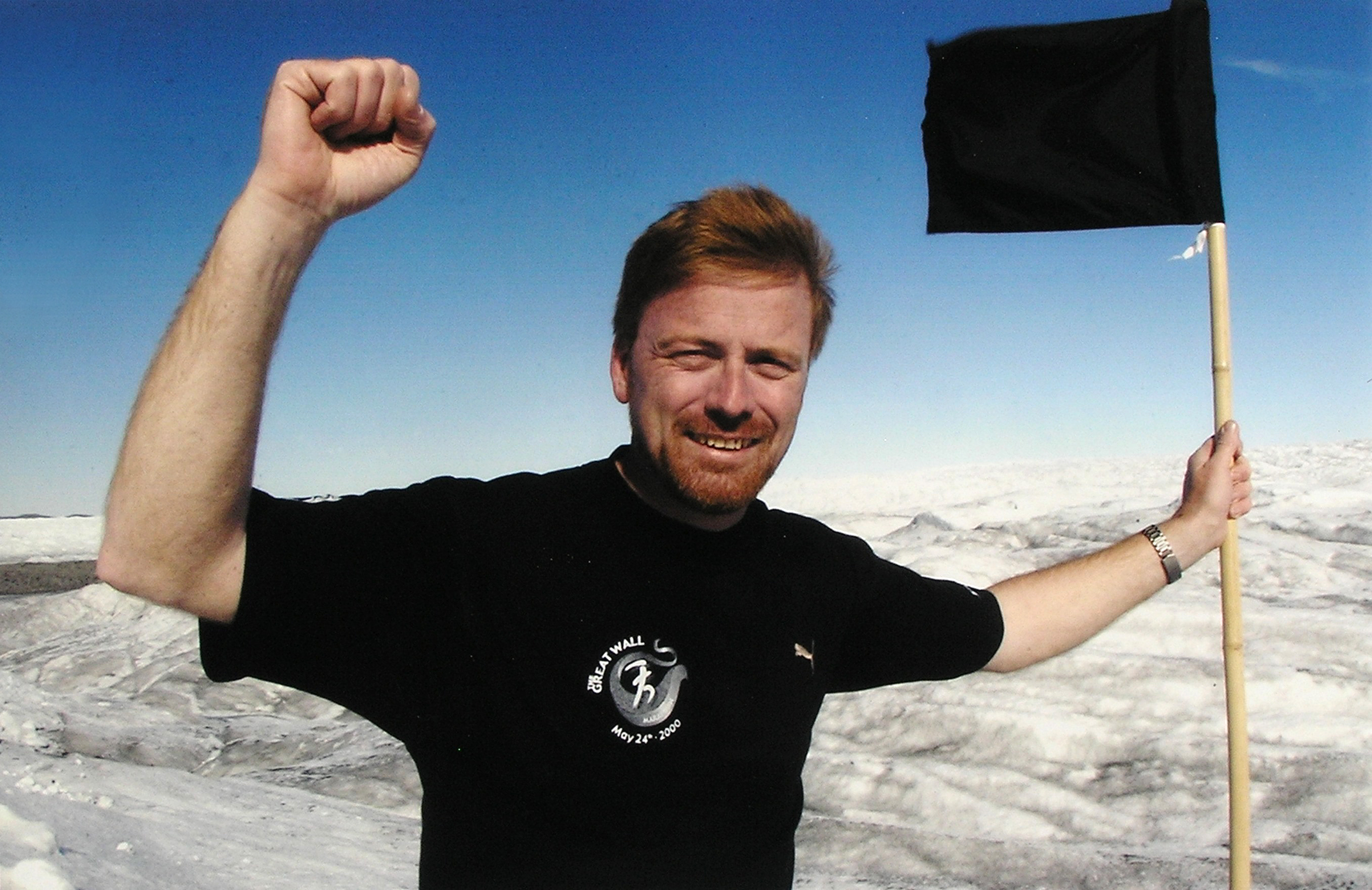
The first 25 kilometres took place in a dramatic, extremely hilly moraine landscape, shaped by glaciers and meltwater tunnels. The landscape was incredibly beautiful, and we were to run many kilometres past enormous ice rims, waterfalls and glaciers. Along the route, we had the opportunity to see reindeer and perhaps musk ox and the odd Arctic fox. The outermost part of the route was an ice road, which was maintained by a piste grooming machine and led us up onto the ice itself where the turning point for the world’s first marathon on the inland ice was located.


???????????????????????????????


The final part of the route led through an Arctic desert, Sand Drift Valley, past Sugar Loaf and along the river back to Kangerlussuaq. The terrain was hilly all the way although mainly at the start. Most of the route was along well-maintained rocky gravel roads which were more or less level and stable, without too many large stones.


The run


Steffen was not good at sticking to the tactics suggested to him by Thomas. He was a good way ahead of me in no time, and I didn’t see him again until he was on his way down from the inland ice and I was on my way up.


???????????????????????????????


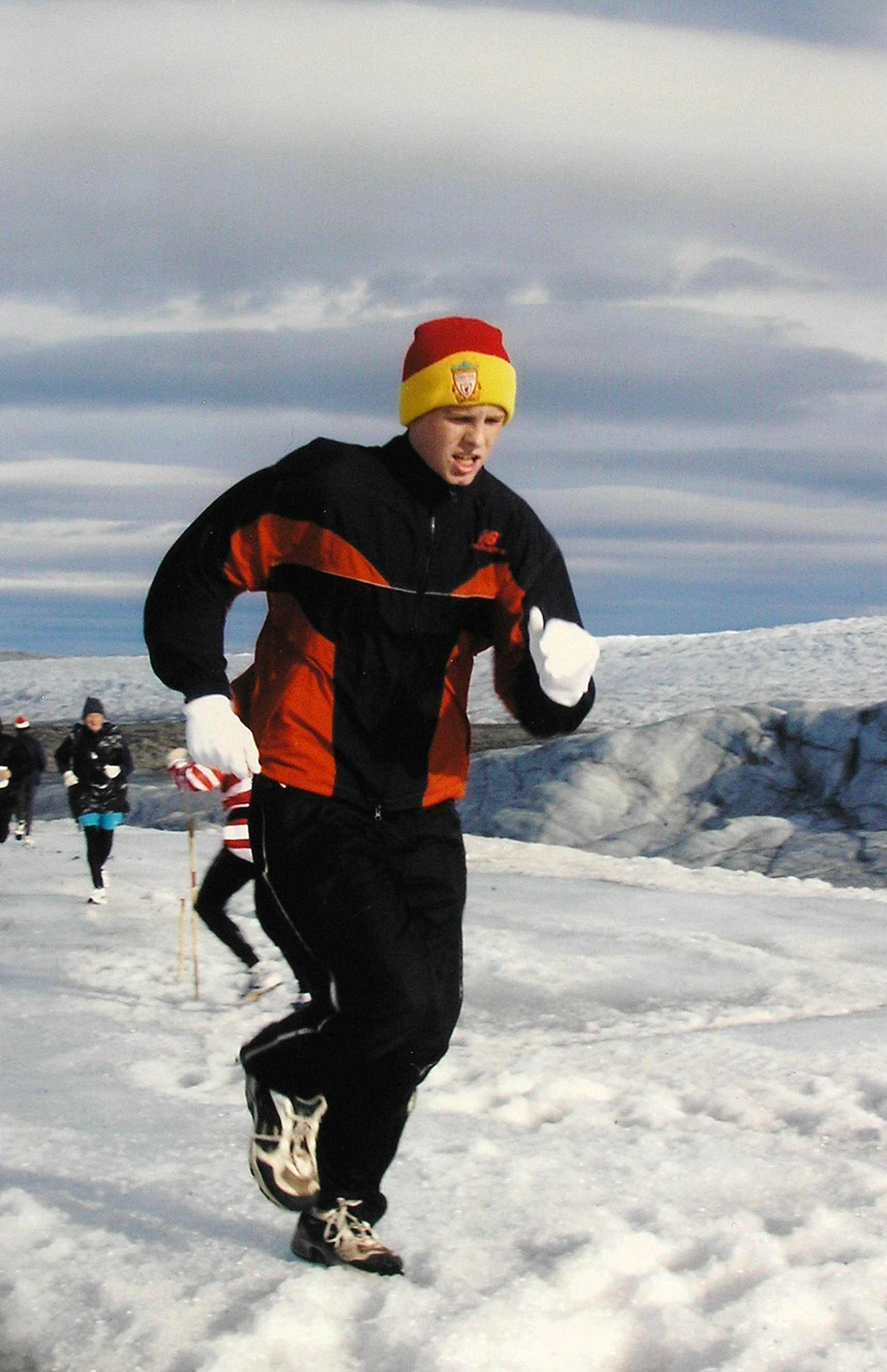
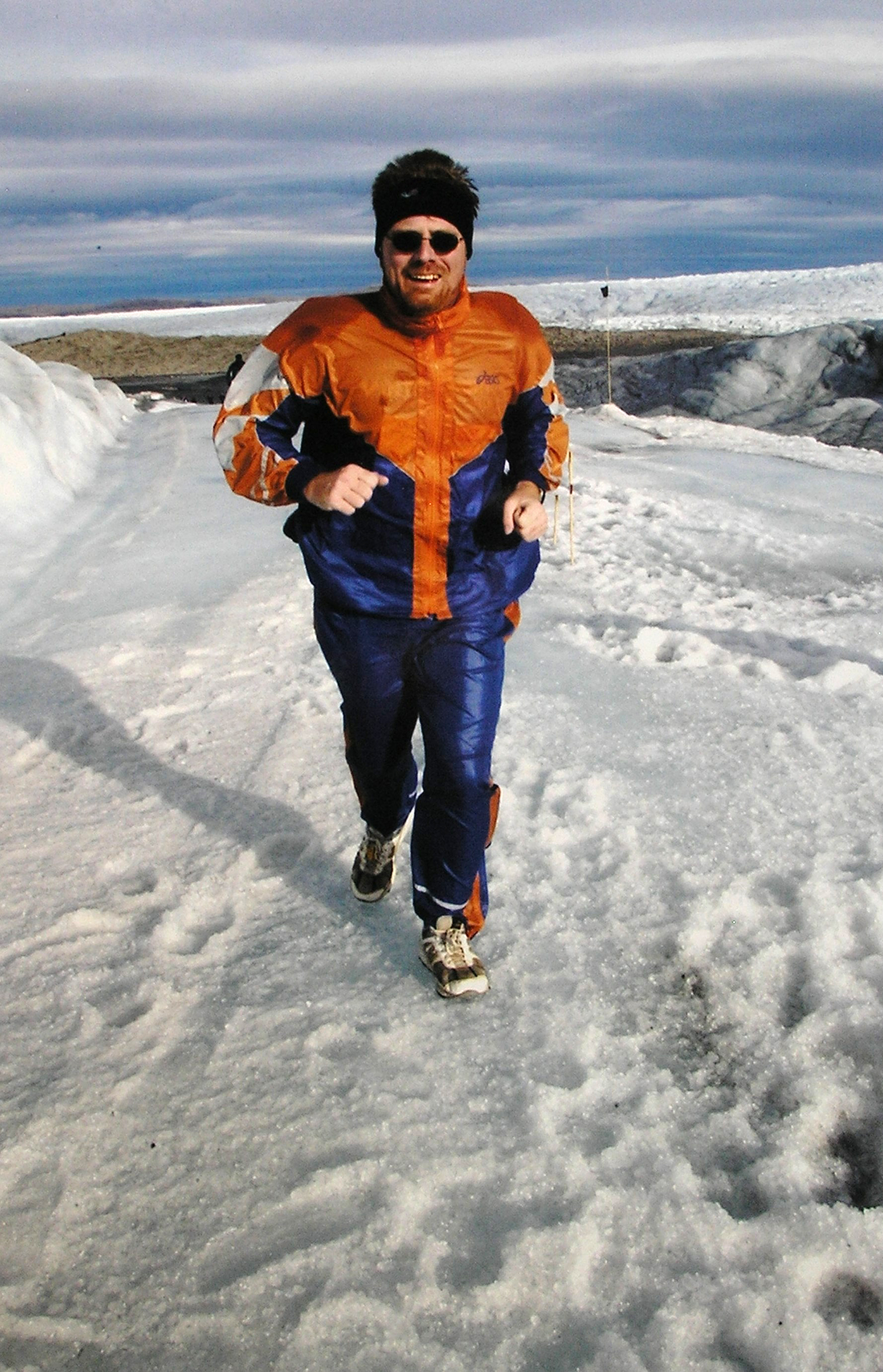
It was an incredible experience running on the inland ice. I had the sun in my eyes on the way up that made it difficult to see, and on my way down, I had to watch out not to slip on the ice. The actual run on the ice was less than two kilometres, but it was a tremendous experience I will never forget. It was cold up there on the ice; although the wind wasn’t so bad, so it wasn’t bitingly cold.


??????????????????????


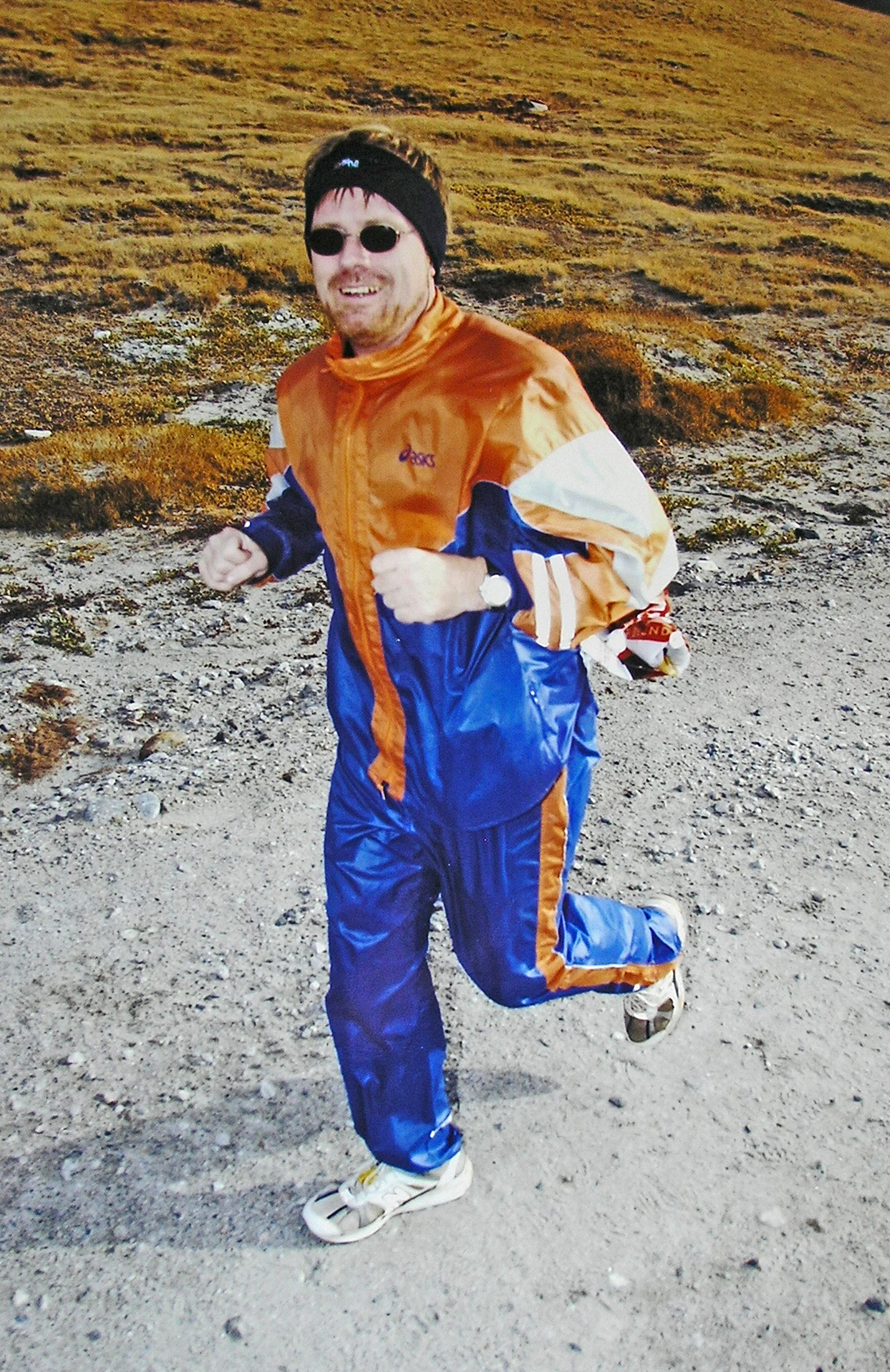
Although the rest of the marathon was also very special, as well as incredibly beautiful, the going was tough. We had many hills to go up and down, and although it was a tremendous experience, it was also demanding. I had to walk periodically several times.


After about 16 kilometres, I reached Steffen, who was now pretty worn out and sore in several places. He thought that if, by the time he had rounded the half-marathon at 21.0975 kilometres, he didn’t have the energy to complete the race, he would drop out. I accompanied him for a few kilometres but then I had to leave him to run my own race. I had a bit of a bad conscience doing so, but I was convinced that he would stop halfway, and I knew that the highly competent officials in the 4x4s would take care of him if he did decide to drop out.


???????????????????????????????


So I carried on with my own race along a long dirt road which twisted and turned. The only exception had been the bit on the inland ice which was a done deal early in the run.


I started the marathon with all my clothes on, and still had them on when I finished. It did get too hot once in a while, so I took my clothes off and on again, and when I was coldest, I arrived at a water station where I got hot bouillon to drink. That was the best drink I had that day.


???????????????????????????????


After 37 kilometres, I was passed by a 4×4 with Steffen in the back. He smiled and waved to me, and I was happy and relieved that he had dropped out, and was in good spirits.


The final ascent came at 40 kilometres, and it was extreme as well as long, almost a kilometre. Here I decided to walk at a fast pace and was actually amazed how much energy I still had left in me.


The next kilometre and a half went downhill and continued onto a flat area just outside our hotel. Here I suddenly got my strength back and sprinted across the line. As I approached the finish, I saw in front of me a halting, injured and exhausted runner using his absolutely final energy to struggle over the line. I couldn’t see who it was but then I heard over the loudspeakers that it was Søren Rasmussen. As I came alongside him, I took his hand to accompany him for the last few metres but Søren said that I should just continue. At that very moment, I heard Jan Christensen’s voice in the loudspeaker shouting “No Henrik, eat him. I’ll buy you a beer if you can beat him”. I was gripped by the atmosphere. Euphoria got the better of my sense of social responsibility, and I let Søren be and sprinted over the line. My time was 5:30:41.


???????????????????????????????


At the finishing line stood Emil holding a large, disgusting-smelling set of antlers. He wanted to take it home with him, and it was wrapped very thoroughly in plastic bags sealed with gaffer tape. The antlers hang to this day above our carport.


???????????????????????????????


Gala dinner


The run was dominated by three of Denmark’s fastest marathon runners, but for obvious reasons I never saw them on the route. The trio came in with Torben Møller Nielsen first, followed by Claus Bjarnø and Peter Ellehauge. The winning time was 3:16:38. When we got back to our room, we saw the three fast Copenhageners running off steam. I couldn’t believe it. I had just run a marathon, and now I knew I needed a rest to get my strength back. These elite runners were ready to run again just a few hours after they had crossed the line.


Our days in Kangerlussuaq were brought to an end with a gala dinner at the “Polar Bear”. A delicious buffet was served, but I wasn’t particularly hungry and only had a bit to eat.


There were prizes for the fastest women as well as men. In addition, there were cheers for those who had earned them. Steffen had suffered a minor groin injury and received a BT watch for having made it to the half distance. We didn’t stay for very long at the party because we had to be up very early the next day.


On board the M/S Sarpik Ittuk


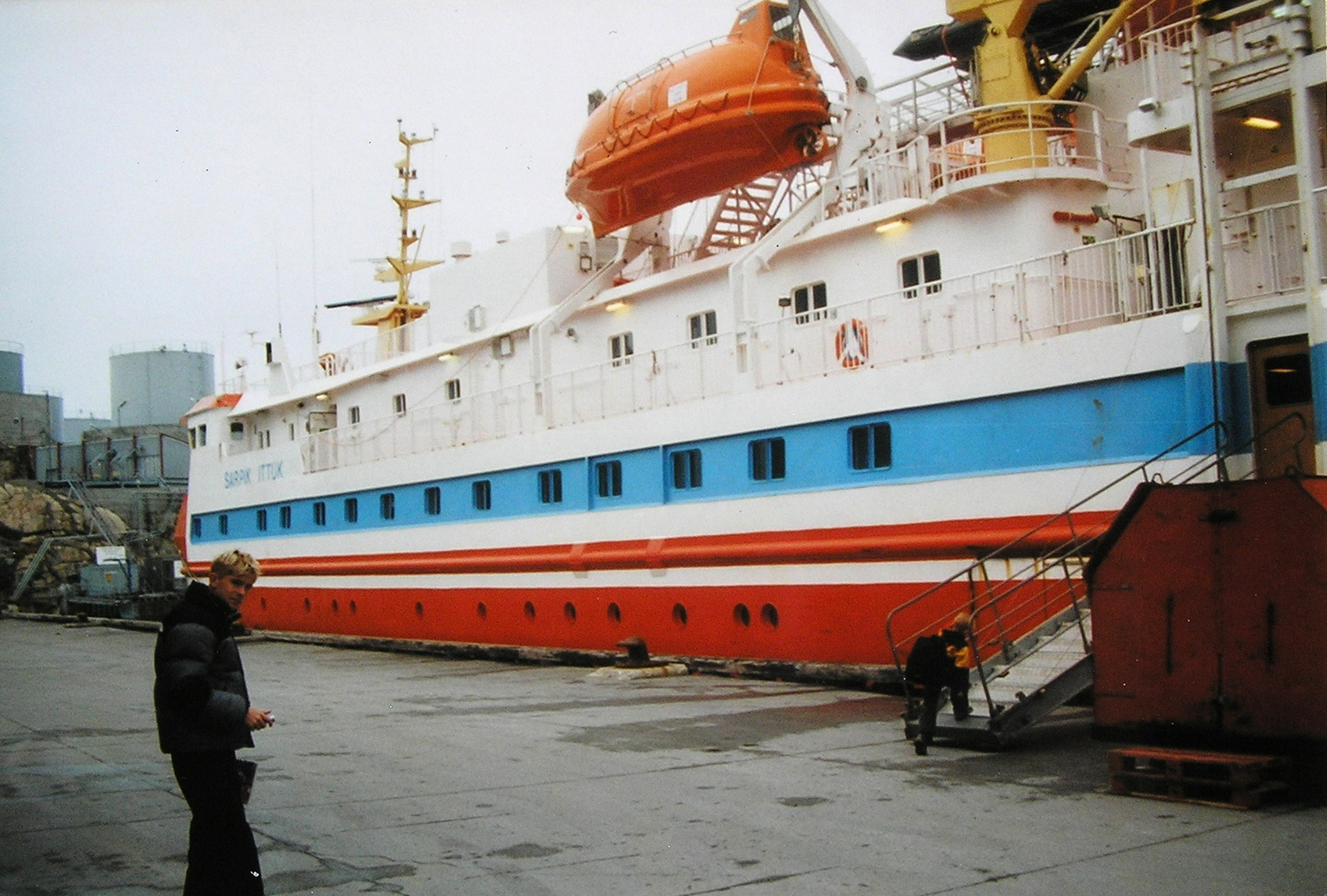
Monday morning, we boarded the M/S Sarpik Ittuk in Kangerlussuaq harbour. We had a great, rather cushy cabin on board this lovely ship. We passed the polar circle already the same morning, and the view was quite indescribable.


???????????????????????????????


Ilulissat


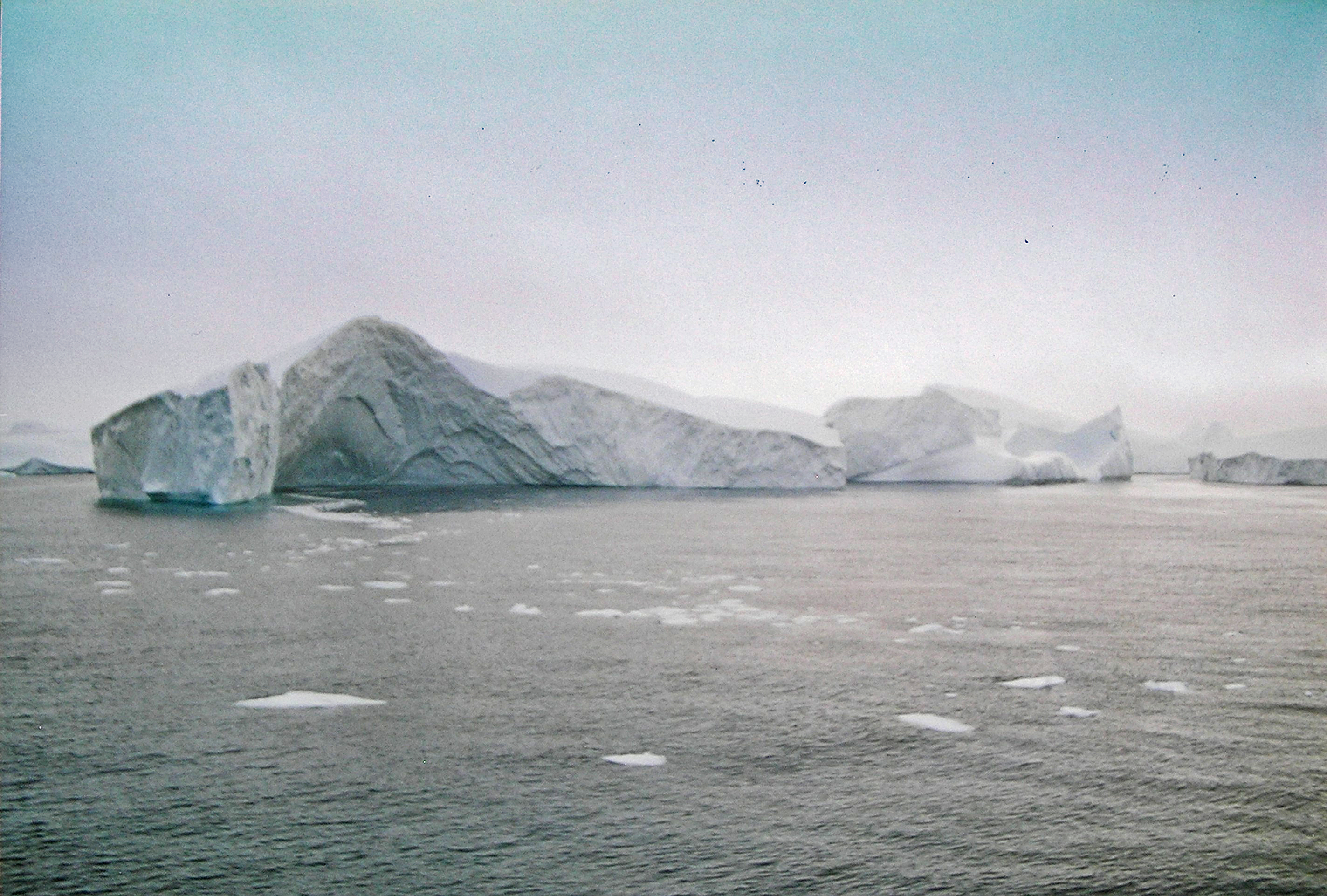
On Tuesday, we arrived at Isfjorden, and if we’d seen icebergs the day before, we saw a heck of a lot more of them that day. One magnificent iceberg passed us by after the other, right in front of our noses. We sailed right up close to them, and there was one fabulous sight after another on the horizon. We were now approaching Ilulissat, the nickname of which is the “town of the icebergs”. The place is best known – and rightly so – for its unrivalled ice fjord, a good half hour’s walk south of the town.


???????????????????????????????


A good 32 kilometres further inland is the enormous Sermeq Kulalleq glacier which, with a width of five kilometres and a thickness of 1100 m, is the world’s largest of its kind outside Antarctica. The Ilulissat glacier produces more than ten per cent of all the icebergs in Greenland, the equivalent of 20 tonnes every day.


???????????????????????????????


The most shocking news


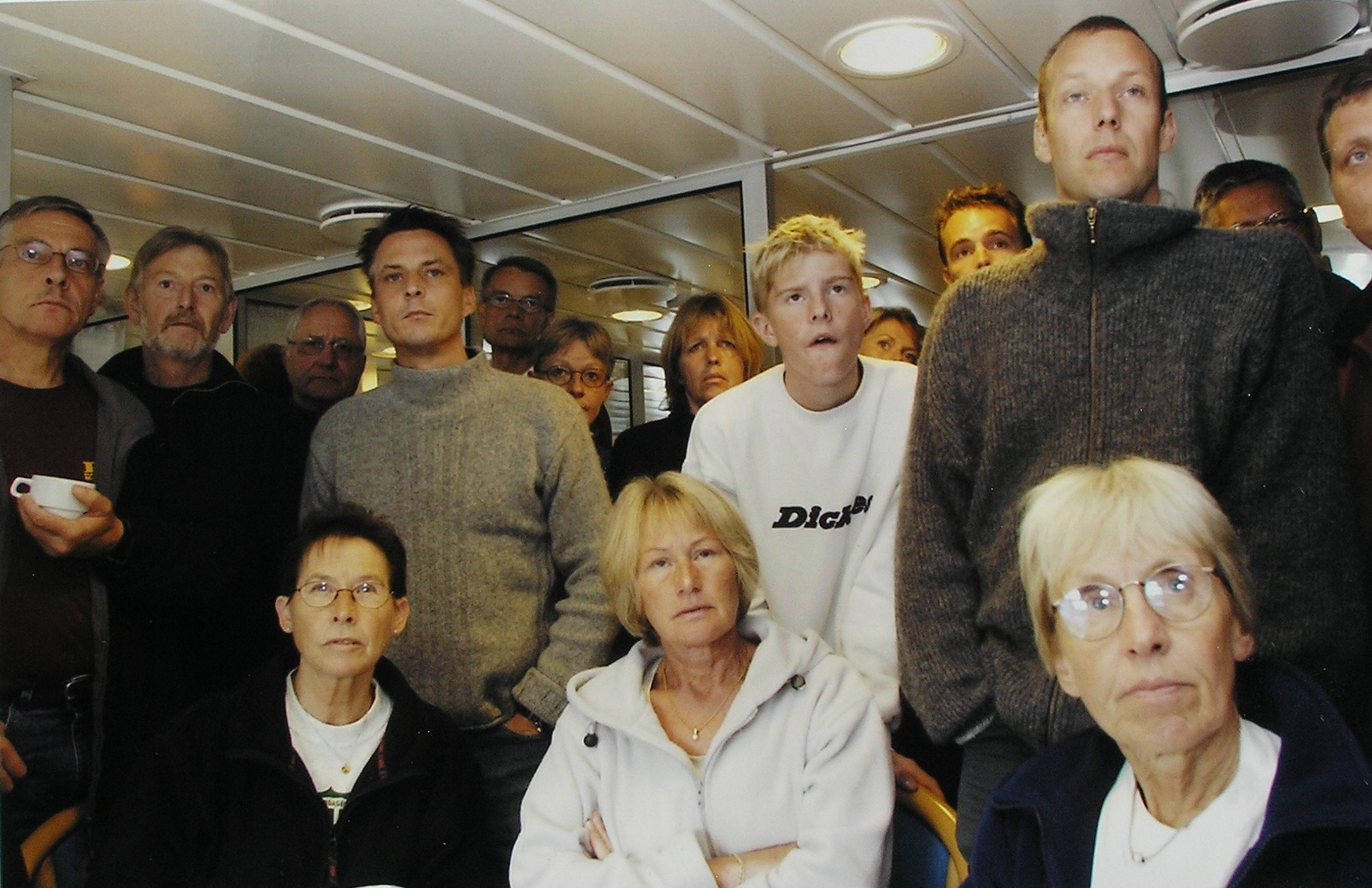
Just as we were about to set to in Ilulissat it was time for lunch on board and as we queued up for food came the shock. Passengers’ phones began to “glow” and the text messages poured in. There was an eerie silence and everyone was petrified. The first reports were not quite clear. The first I heard was that half of New York was in flames, but eventually, we got the whole story. An indescribable, inconceivable tragedy had just hit the United States, where terrorists had hijacked four passenger aircrafts and flattened the World Trade Center in New York. The Pentagon was also hit. The ship’s TV was turned on, and everyone was deeply moved by the situation. I completely lost my appetite. There is no need to mention the date, 11th September, as it is chiselled into the memories of most of the world’s population.


???????????????????????????????


Knud Rasmussen’s birthplace


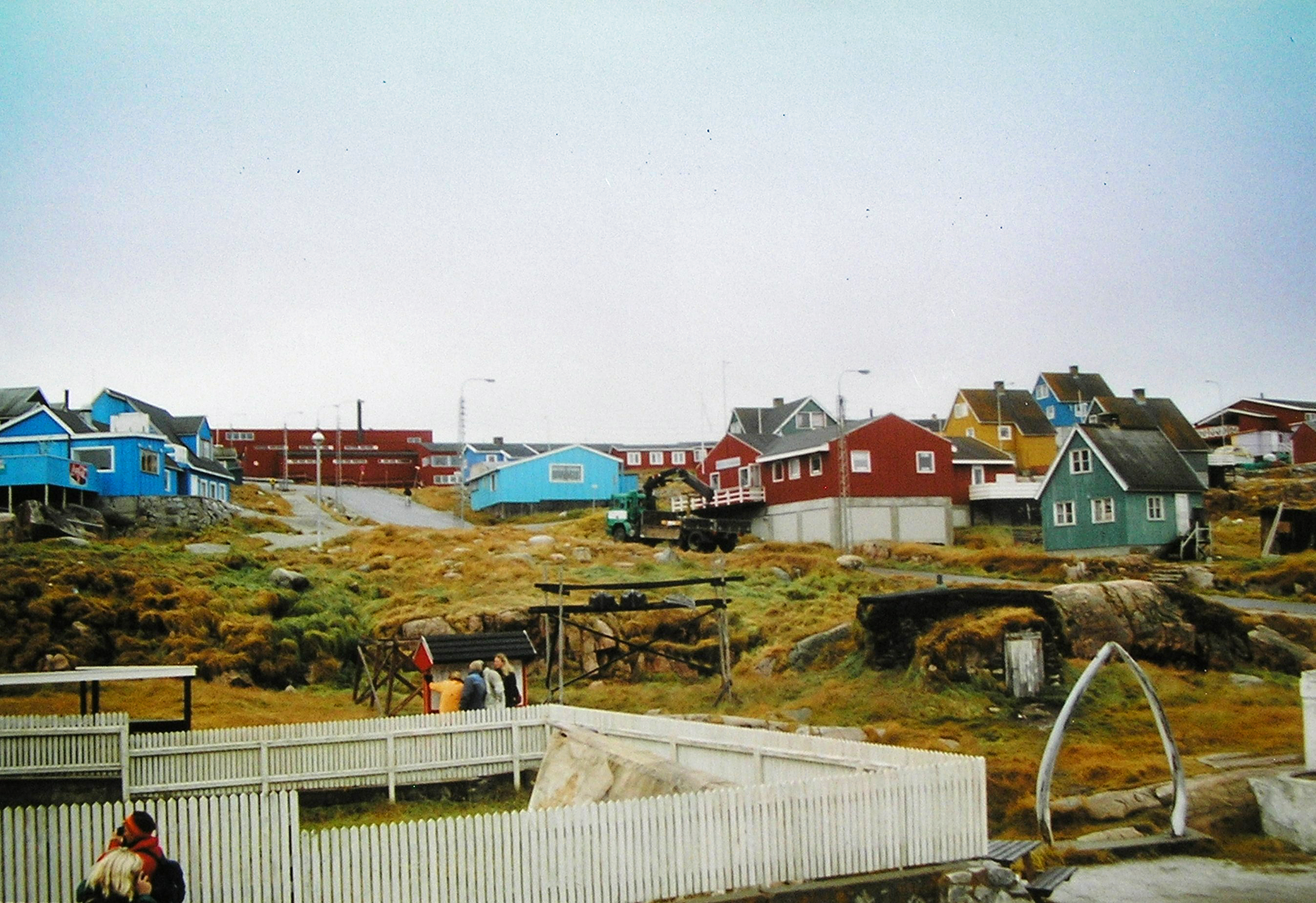
After lunch was over, and the shock had settled, we disembarked. We visited Knud Rasmussen’s birthplace and went for a walk in the town. We visited “Kællinge Kløften” (which can be roughly translated as Hags’ Canyon), an area of outstanding natural beauty with rock formations, and in the town we enjoyed the sight of charming Greenlandic houses which we had seen in photographs. There were huskies everywhere, so there was no doubt that we were in Greenland.


???????????????????????????????


Eqip Sermia


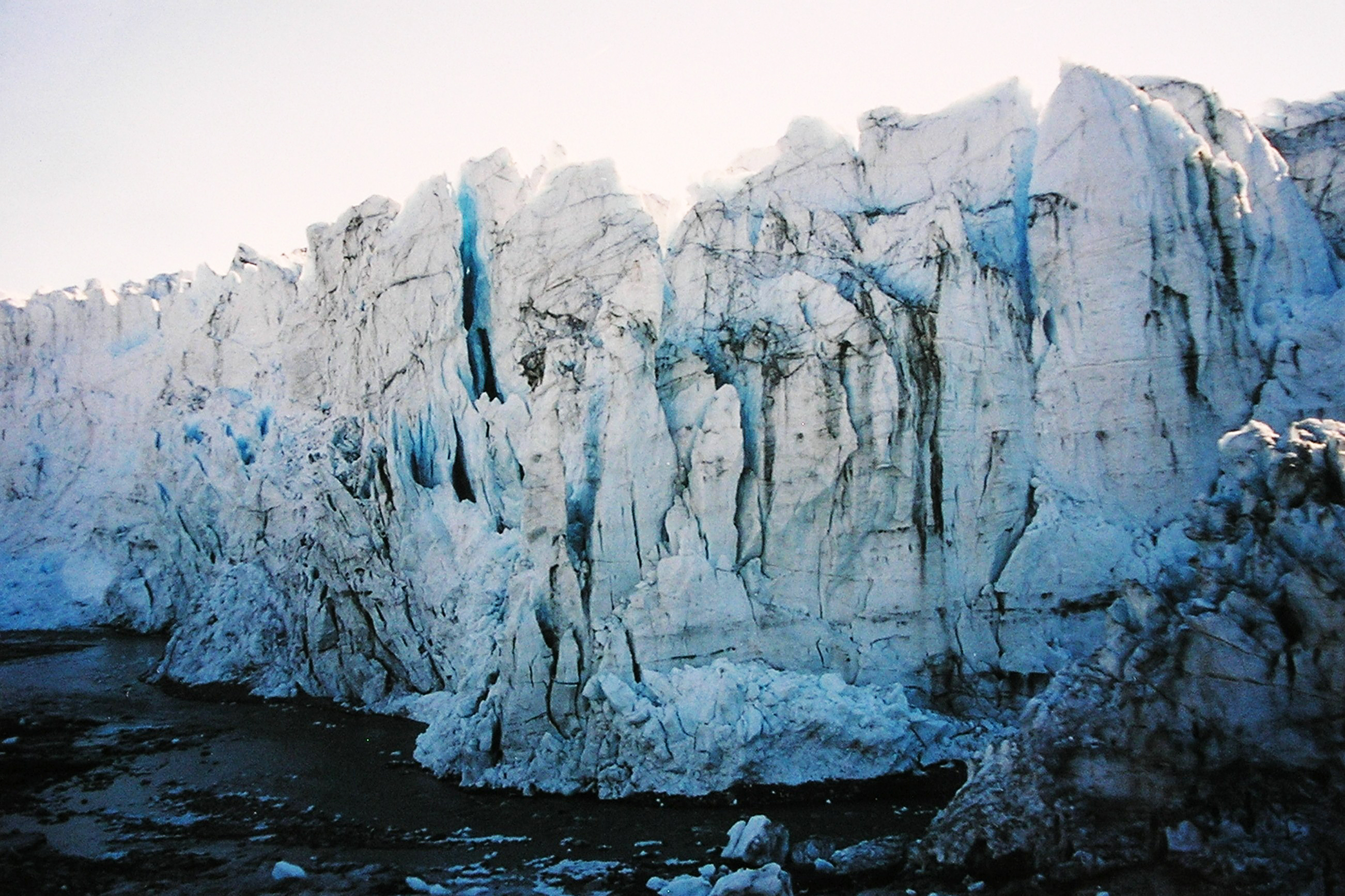
On Wednesday, we arrived at Eqip Sermia, one of Greenland’s most splendid glacier tongues. The majestic cracks in the glacier, the deep blue rivers of melt water – a landscape so enthralling, colossal and beautiful that it is difficult to find words to describe it. It was incredible to stand there in the bitterly cold air looking at this incredibly beautiful landscape. We had hoped to see the iceberg calving, but nothing happened while we were watching. But we did see a seal and a couple of indeterminable birds on an ice floe.


???????????????????????????????


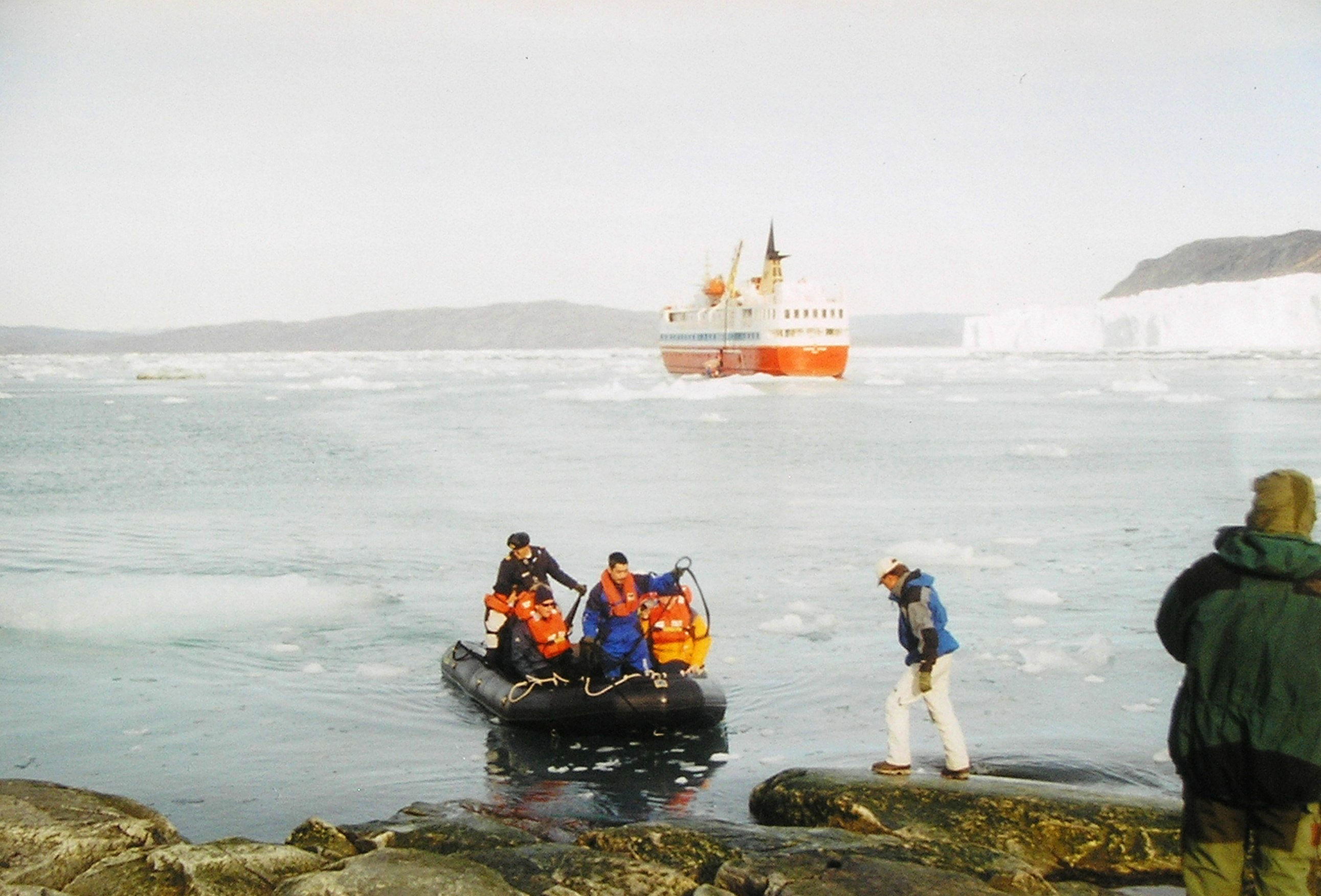
The ship laid to mid-morning off Eqip Sermia, where we were shuttled ashore in groups of ten in Zodiac rubber dinghies. Once ashore we set off on a three-hour walk that turned out to be much tougher than anyone had imagined.


The power of nature


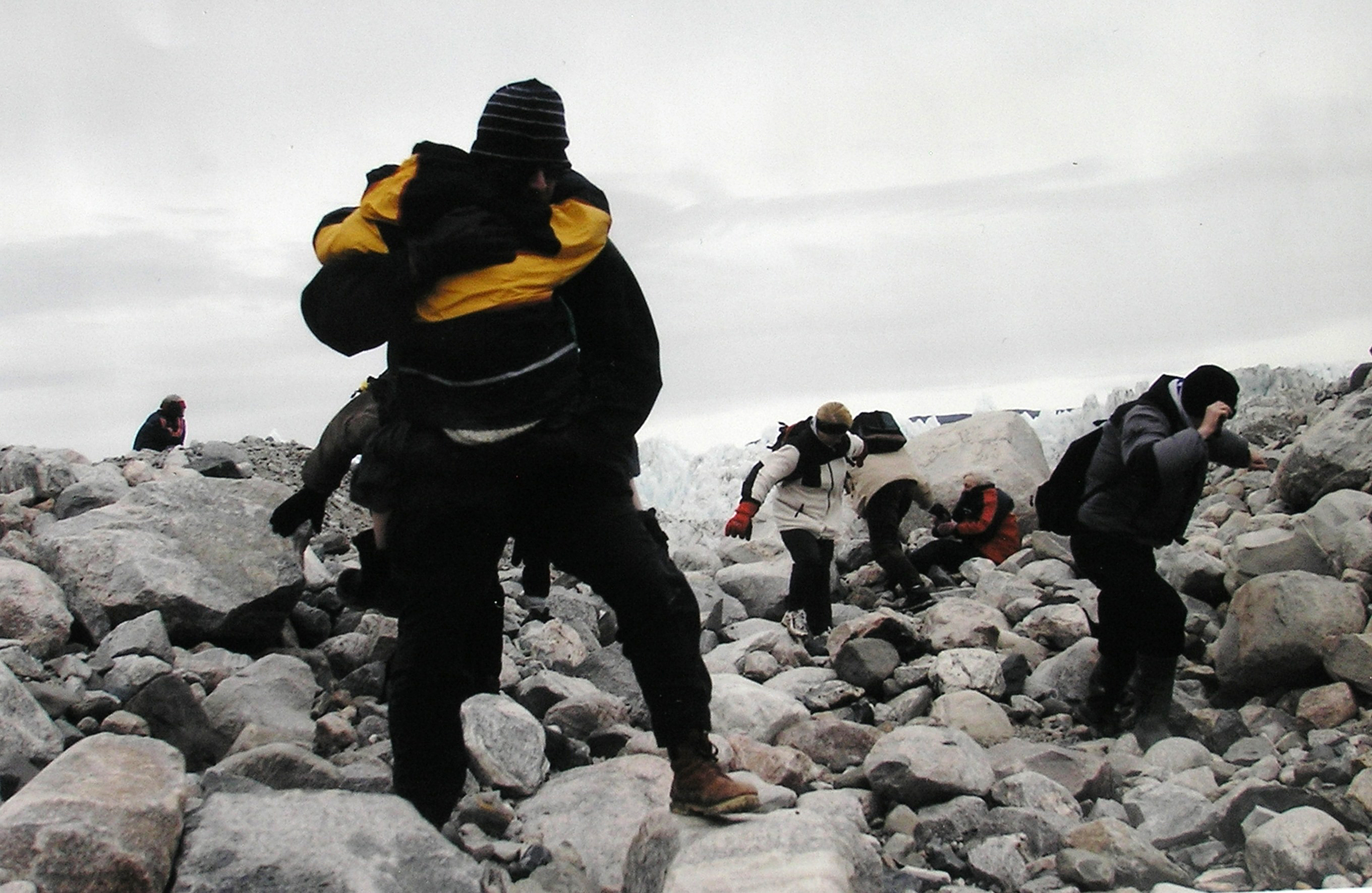
We were now walking in totally unspoiled nature, with crevices, watercourses and boggy areas, truly thankful that we had put on wellington boots. After a while, a harsh wind began to blow and then got worse and worse. We strode forward in a wind that was so strong as to be indescribable. I could literally feel my cheeks flapping as my eyes watered. Life was not made easier by the fact that I had a camera and a video camera around my neck so that I could immortalise the scene once in a while. At the same time, I had to hold Emil by the hand and help him negotiate the stone walls and boggy patches. At one point, when I was not holding Emil by the hand, the wind caught hold of him. He was lifted half a metre in the air and three metres forward, where he landed in some soft moss. Despite his soft landing, he got quite a shock and shed a tear or two.


???????????????????????????????


At the end of our walk, we first arrived at a sanded-up area where we had to watch out not to get sand in our eyes. Then we had to climb up a steep stone wall. The wind was at its strongest at precisely this point. But strong wind is actually an understatement. I remembered the winter storm in Denmark in 1999 and thought “What were we so worried about?”. I was later told at the ship that we had been walking in a hurricane with a wind speed of more than 100 kilometres an hour. At the top of the stone wall, Emil sat down and wept – he’d had enough. Fortunately we didn’t need to carry on. We found shelter behind some rocks and opened the lunchboxes we had been given on board the ship. Many others had also brought a beer and a little snaps. That was really welcome right then.


I put my photo equipment into my rucksack so that I would have my hands free on the way down, and on the first steep stage I carried Emil in front of me. He tucked his face into my chest, and I had to manoeuvre him with great difficulty down the other side of the stone wall and back to the boggy area. From here, he was able to walk the rest of the way in the strong wind.


When we finally arrived at the place where we were to be shuttled back out to the ship, the use of rubber dinghies was out of the question. The ship had not been able to lie at anchor and had had to sail off out to the open sea and return when the weather conditions permitted.


We were later informed that the weather conditions at Eqip Sermia can be extremely changeable and that the changes could come about all of a sudden as we had just discovered. We could just as well have ended up taking a walk in completely still weather, which would most certainly have been much more pleasant. But now we had had an experience for life, which I would not have been without.


Sisimiut


After a couple of days living in the primitive world, Thursday was the day we got to know a bit about modern Greenland. We visited Sisimiut.


Sisimiut is Greenland’s most northerly town with an ice-free harbour during the winter and the most southerly town to permit dogsledding. The town is the country’s second-largest after Nuuk. When we were there, the population was 5,369, with 5,123 souls living in the town itself, 131 in the village Itilleq and 115 in another village, Sarfannaq.


We experienced Sisimiut in the rain, so we donned wellington boots and waterproof ponchos and set off to see the sights and do a bit of shopping.


We were back on the ship by midday and after relaxing and having lunch, we departed for our next adventure.


Itilleq


Having seen the “city” it was time to visit a small hamlet. It was also our last visit in Greenland before leaving for home. We visited Itilleq, where we got an impression of what life was like in a Greenlandic hamlet. Itilleq means “dip” or “hollow”. It is beautifully situated some 49 kilometres south of Sisimiut. Since Itilleq is situated on an island with no natural freshwater, they have built an osmosis plant which converts salt water into freshwater. In the old days, they had to bring in fresh water by barge or in a dinghy.


Once again we were shuttled into Itilleq in the Zodiac rubber dinghies. It was a moist, chilly trip, for which reason a lot of people remained on board the ship. But now we were here, we wanted to fit it all in however much trouble we had to go through.


We were received in Itilleq by a local woman wearing the Greenlandic national costume of pearls, sealskin trousers and kamiks, which are traditional sealskin boots. We were offered samples of reindeer meat, seal, whale and fish; and although it didn’t all taste particularly good, we had to try everything. After that, we went to have a look round the hamlet, and we really felt that we were in Greenland. Only 130 people lived there; many of them only speaking Inniut. We were welcomed into a typical Greenlandic home for “kaffemik”, coffee and cake.


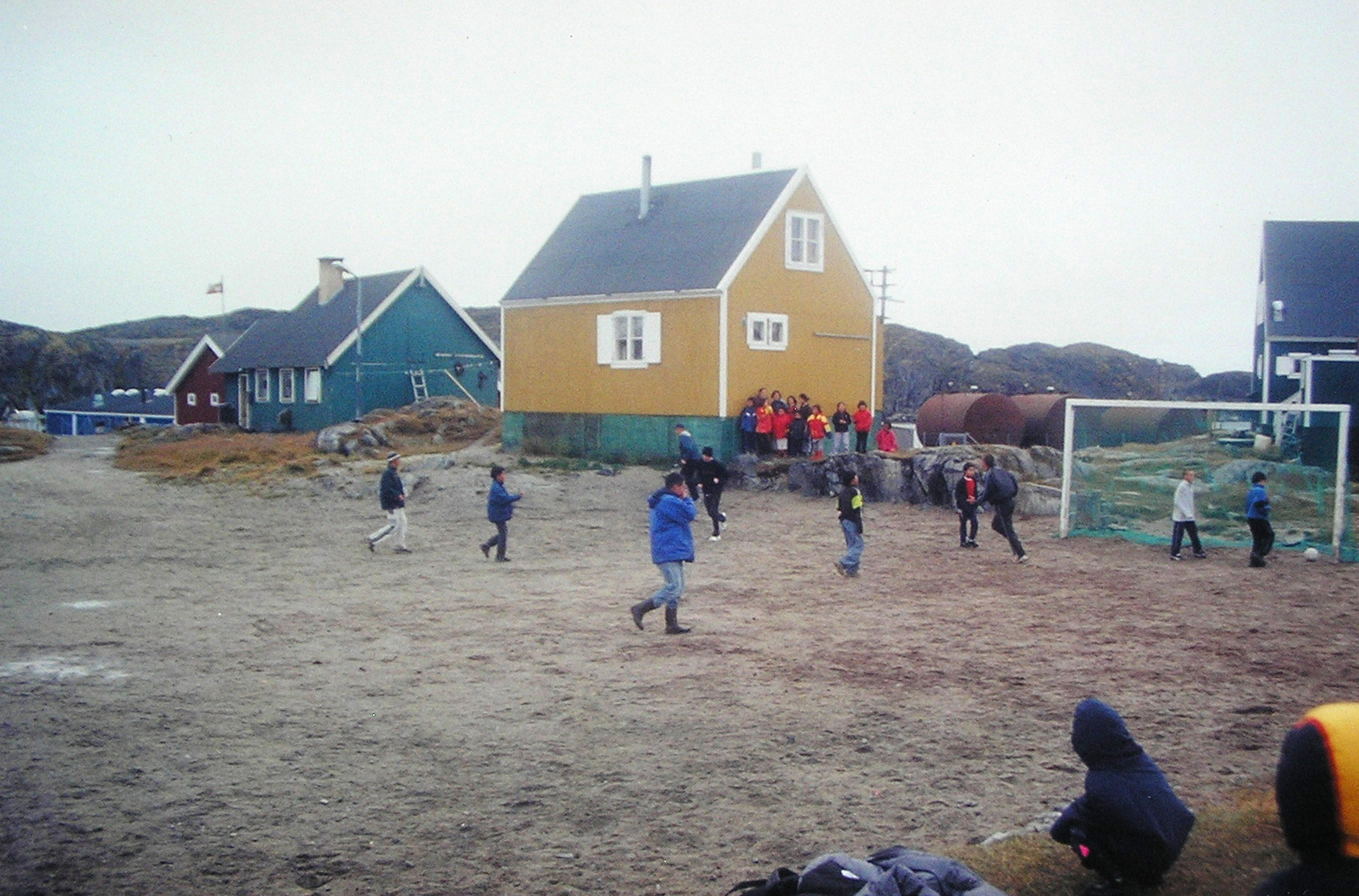
On the village’s muddy football pitch, they organised a football match between the local boys and those from our party. Of course, both my boys were to play. Denmark won, and Stefan scored his first three “international goals”.


???????????????????????????????


By now we were rather cold, and the trip back to the ship in a rubber dinghy did not exactly help. Several of us got thoroughly soaked before we got back out there.


Farewell to the M/S Sarpik Ittuk


On Friday morning, we were up early to prepare ourselves to disembark from the good ship. The previous evening we had enjoyed a delicious meal of Greenland halibut, musk ox and an ice cream layer cake. The chief purser had held a farewell speech and the entire crew had entered to a round of applause.


After breakfast, we were ferried ashore on a launch because the M/S Sarpik Ittuk could not get into port. We were sailed into port in three groups with me and the boys in the last of them.


Bus breakdown


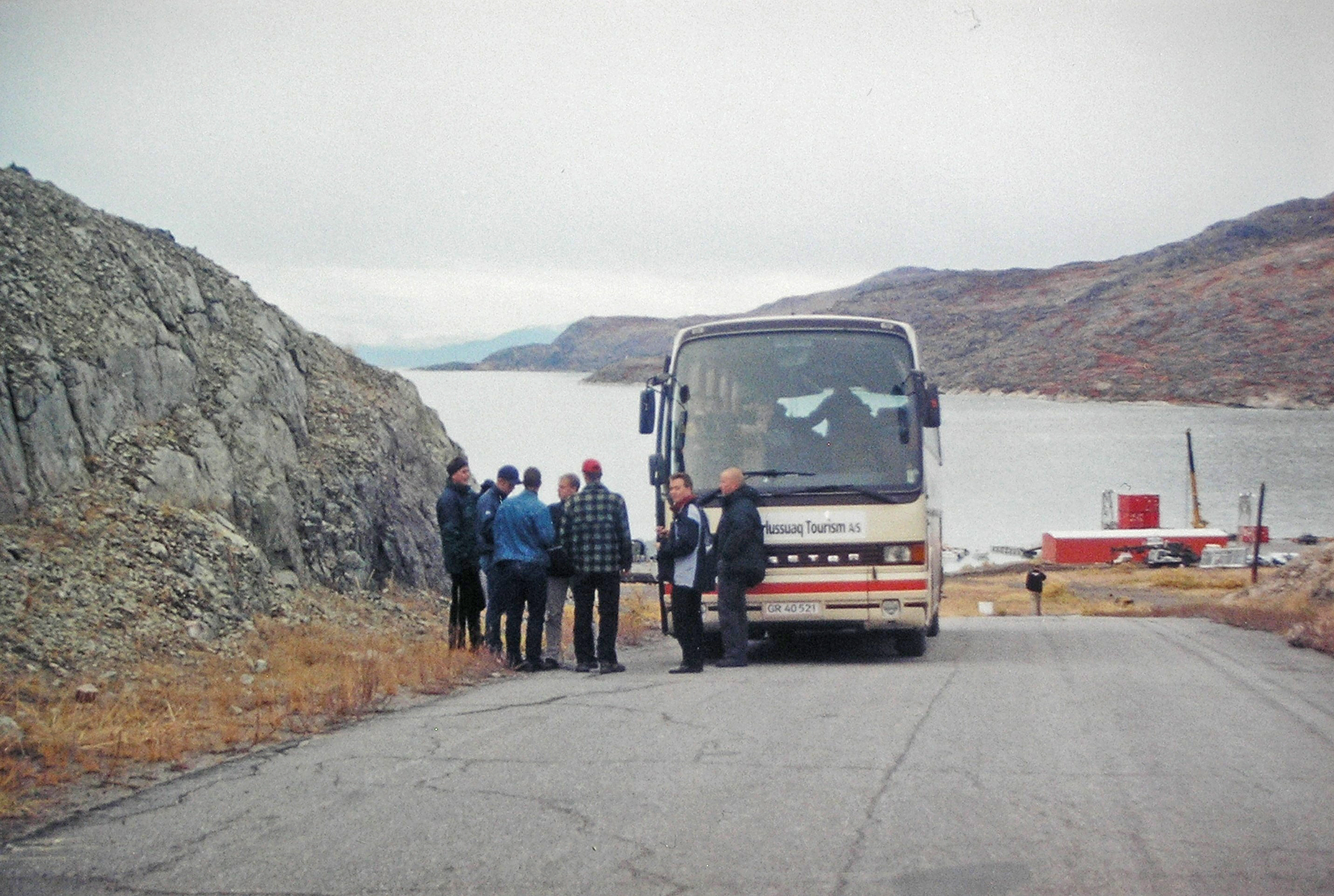
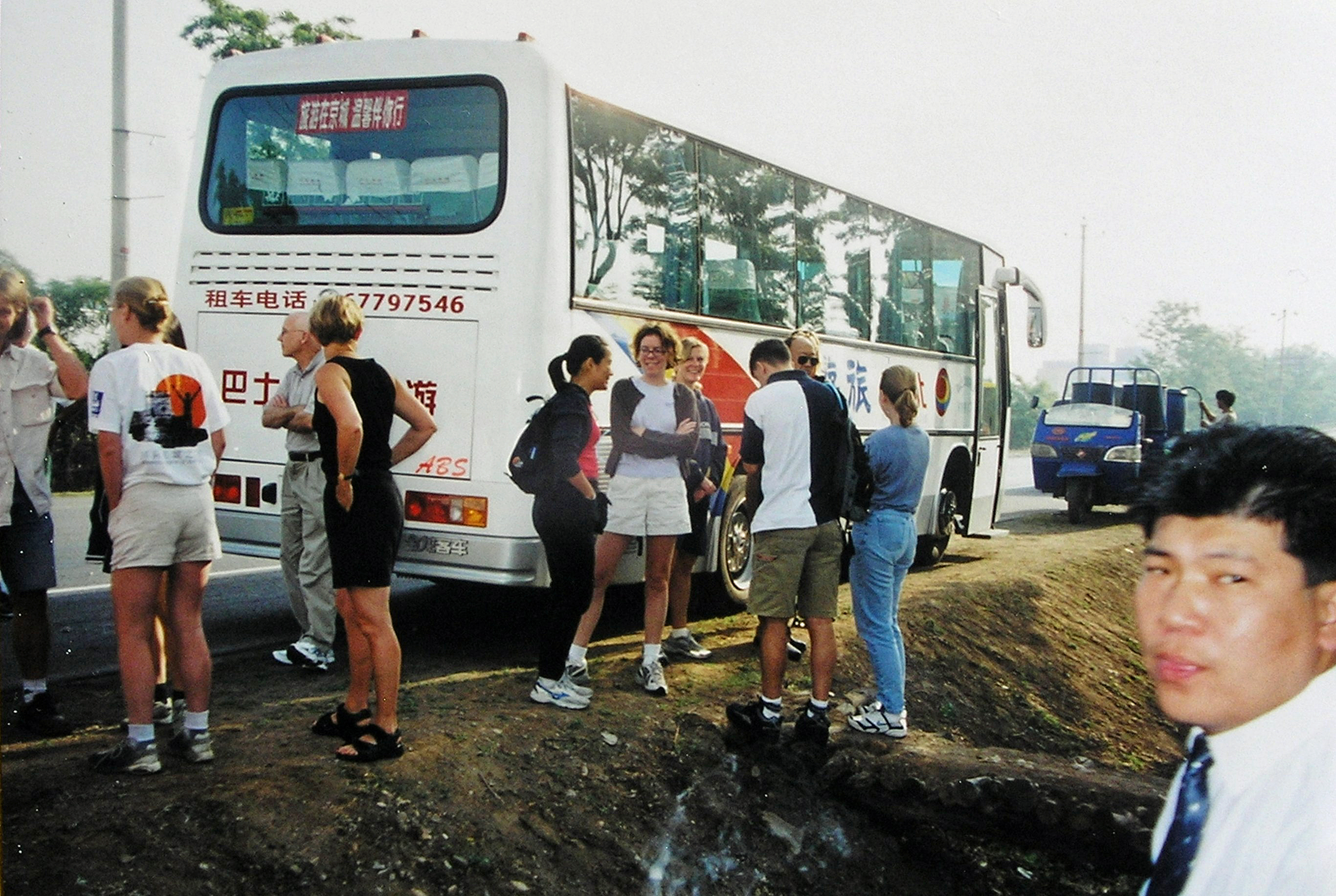
At the harbour, we were picked up by a bus that was to take us to the airport. We had probably driven a kilometre when the bus broke down and could get no further. Various efforts by the driver and the mechanic were to no avail. We stood there forsaken in the middle of nowhere with a broken down bus and no mobile signal because of the crags. The bus driver, therefore, had to walk back to the harbour to find a landline phone to call another bus to pick us up.


???????????????????????????????


Airport problems


At the airport, we found ourselves at the back of the check-in queue and here it turned out that there were other trials and tribulations ahead. Not long before it was our turn to check in, another piece of equipment broke down. This time it was a printer, so we stood there for an hour and waited. While we were standing there it became obvious that there would not be enough seats for all of us on the flight. Some of the seats had to be taken out for a lying-down patient who had to go to Copenhagen University Hospital, and I think the flight was already overbooked. This rather unsettled us and the other passengers, and things didn’t get any better when an airport official with little sense of propriety and a most disagreeable attitude created an unpleasant atmosphere. It was a most unfortunate juncture at which to unsettle passengers who were to fly for the first time after the catastrophe in the United States a few days earlier.


Homeward bound in style


All’s well that ends well, as they say. When it was finally possible to print boarding cards again, it transpired that there was not enough room for us so we were upgraded to business class, where we would be cosseted with extra legroom, gifts, champagne and posh service. Emil asked the steward why we should have tablecloths on the table. He wasn’t used to that kind of thing when flying.


On TV


As was the case on other marathon trips organised by Adventure Marathon, Danish broadcasting was also represented this time. The result was shown on the Sunday sports programme three weeks after the marathon with a feature lasting more than five and a half minutes.


Buy the book here.


Engelsk forside

DSC_0550

24-timer Viborg 2001 (24 hours Viborg 2001)

May 12 2015

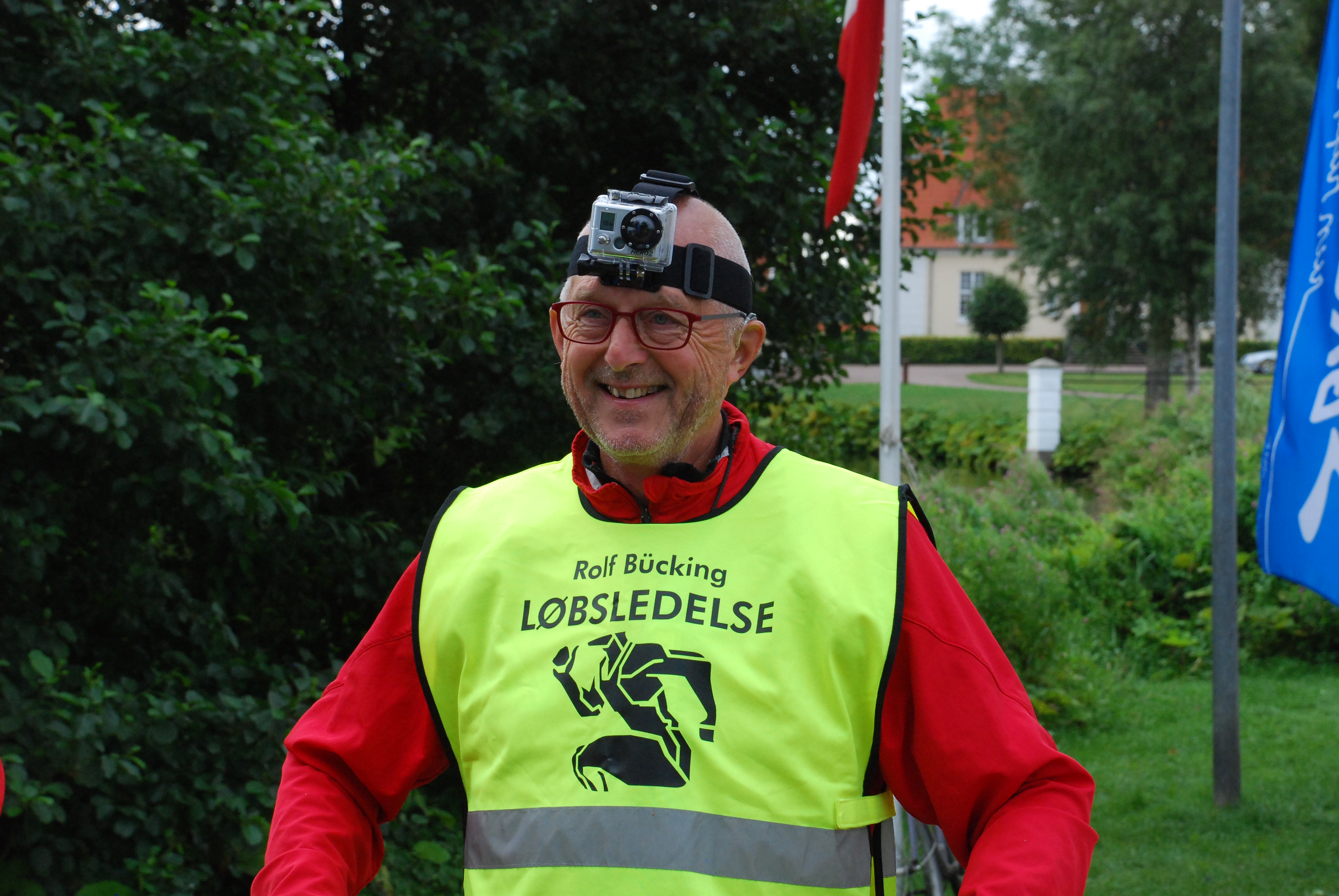
During journeys around the world, you get to meet a lot of people, and you make some good contacts, too. Once in a while you agree to meet again, but often nothing comes of it. Among the runners in The Karen Blixen Marathon in 2000 was a man called Rolf Bücking from Viborg. He had spoken warmly of the 24-hour run held earlier that year by Viborg Athletics and Fitness Association. The run was to be repeated every year from then on. Getting to know each other in Africa ultimately led to the idea of our going to Jutland to run with Rolf.


DSC_0419


In the spring of 2001, I received a letter from Albatros Travel. They had taken the initiative of inviting runners from The Karen Blixen Marathon to form a relay team to run at 24-timer Viborg (24 hours Viborg). The team was given the name “Kenya Safari Team”. Albatros Travel would sponsor the team’s sign up fee and a T-shirt for the participants.


I thought it would be fun to meet the group again. I also felt it could be most agreeable to take part in a relay race because there would be plenty of time to relax and enjoy the company of the others when I was not running myself. But at the same time, I thought it was a bit too easy to be running a relay. Perhaps I’d become a bit cocky after several extreme marathons and a 100 kilometre run. I informed the others that I would have liked to have joined them, but wanted to run solo. I bought a good tent and three sleeping bags. Again this trip would be for the boys and me.


On Saturday 11th August, Kim Tang Veje and his girlfriend visited us for breakfast. We provided the coffee, and they brought the bread and pastries. After this, we set off together towards Jutland. Kim and Steffen were to run in the relay race, while Kim’s girlfriend and Emil would not be running.


The run was held at Sønæs, a drained green area on the south-western banks of Søndersø. The area covered around 7.5 hectares. Before they set about draining the area in the late 19th century, Sønæs had been a lake separated from Søndersø by a narrow tongue of land, along which the road Sønæsvej runs.


On arrival, we put up a tent, said hello to the others and generally charged up our batteries for what was about to take place while we had a good look at the place. Søndersø is the southernmost of the Viborg Lakes and lies to the east of the town. Water flowing out of the lake ends up via tributaries in Gudenåen, Denmark’s longest watercourse.


The run takes place on a 5.72 kilometre route around Viborg Søndersø. So the route is not particularly varied, and we had rich opportunity to study the town’s hospital and the towers of its famous cathedral.


DSC_0855


The run was started at 12 noon by deputy mayor Klaus Keller. There were loads of activities that day. I didn’t get to enjoy any of it, but it was great for Emil and members of the relay team. There was beach volley, an exhibition of gliders and rowing boats, as well as rowing machines and other equipment; scouting activities, sport dance displays, line dance, square dance, aerobics, karate, parachuting and agility displays. Nobody had a moment spare to get bored. On the Saturday night there was a disco and Sunday morning, a jazz band provided musical entertainment.


DSC_0558


It was up to each runner and relay team how much they wanted or were able to run. To begin with, I kept Rolf company, although I ended up going solo at some stage.


At one point, 42.195 was written in chalk in the middle of the road. That’s the marathon distance, of course, but what was it doing here? I found out that it had been written especially for Tage Johansen, a doughty Jutlander from Frederiks, who had set himself the goal of running 130 marathons that year. Two of these were to be run in Viborg that weekend. He was to run one on the Saturday and another on the Sunday. So Tage was supposed to do seven rounds of the lake and then finish up at the point marked in chalk. Unfortunately, the Guinness Book of Records in London subsequently refused to recognise his record because his runs had not been official marathons as such. All Tage’s runs were on officially marked up routes, and he had officials at all the runs, but this was not good enough for the famous record book.


The weather on Saturday afternoon was good, and I enjoyed it all. I often passed the finish and our tent and was cheered heartily by my boys and the Kenya Safari Team people. The same also happened along the route when I was overtaken by the group’s runners, which, of course, happened quite a few times. Towards evening I was given food and massage in a tent after which I set off once more. As it began to get dark it wasn’t quite as pleasant, but I was still in good spirits. It had now started to rain, and the spectators gradually disappeared. But for a while yet, someone stood at the chip mat which was measuring our laps, and here there was water and food to be had as well. At one stage, when I was thoroughly saturated, I was given some hot bouillon. That was just what I needed.


After midnight, the finish was unmanned, although I was overtaken by others from time to time. Then we perhaps exchanged a “hi”, but running in the dark was otherwise pretty lonesome. And on parts of the route it was pitch dark. The organisers had lit garden torches in some places to light up the path, which we otherwise would never have been able to see.


In the middle of the night, I was in serious trouble. I was thoroughly soaked by the rain and had gradually become tired and exhausted. This meant that I lost my sense of direction and left the route on several occasions. Suddenly I would find myself standing there in the dark on a lawn in front of a bush, unable to go any further. I then had to look around and find my way back onto the path, and I found this to be rather concerning. The times I did this I left the path at the right hand side, but if I had left it on the other side, I might have ended up in the lake. I was aware of the fact that this could have been fatal at that time of the night and in my physical condition.


Then I suddenly realised that lamp-posts had been put up along the path where it was previously dark. I was bemused at first by the fact that somebody had put up lampposts early on a Sunday morning, but there was an explanation. When I got up close to a “lamp-post” it turned out to be one of the garden torches I had seen earlier in the evening. But then I caught sight of more “lamp-posts” on the horizon, and they also turned out to be garden torches. I now realised that I skated on thin ice although I still was aware that something was wrong and that it would be irresponsible to go on like this. Next time I arrived at the finish, I went to our tent and crawled into my sleeping bag. I set my mobile to wake me two hours later, then nudged Steffen and asked him to make sure that I got up.


When the two hours had gone by, my phone started emitting its irritating ringing tone. I turned over and crept further into the sleeping bag. Steffen jostled me and said I should get up. I didn’t want to. I could hear the rain drumming on the roof of the tent and had no desire to run at that time. But Steffen didn’t give up easily and in the end he kicked me and shouted, “You must get up Dad”. I was caught between a rock and a hard place. Was I to accept Steffen’s rough treatment or should I go out into the rain? I ended up doing the latter. I have since rejoiced at Steffen’s perseverance. Just think if I had snored away an entire morning in a tent on the banks of Søndersø where I was supposed to be participating in an ultra-run.


DSC_0080


When I first got out of the tent, the rain wasn’t as bad as it had sounded inside. It was raining that was for sure, but then I had tried that so many times before. I put on dry running clothes and then things went marvellously. After several laps, I went to the food tent and got breakfast before continuing to run all morning.


DSC_0880


I had had no way of assessing how far I could run in 24 hours. I had thought that 24 laps would be just fine. That would have been the equivalent of about one lap every hour, but after 23:45:47 I crossed the finishing line for the 23rd time and had finished my run. The distance I had put behind me was 131.56 kilometres, equivalent to a bit more than three marathons. I was thrilled to bits by this performance which, by the way, was the same as Rolf’s. The Kenya Safari Team ran 49 laps, more than twice what I did. But with 16 participants in the group they were also able to start every lap on fresh legs.


I was completely drained of all energy and very tired, so I was not the one who should drive the car home. Fortunately we were together with Kim and his girlfriend, and as a relay runner he was not as used up as I was. So the experienced taxi driver drove the car while I slept my sweet and well-deserved sleep.


Buy the book here.


Engelsk forside

130630_0027

North Sea Beach Marathon 2001

May 6 2015

My first actual marathon in Denmark turned out to be an odd sort of race. But this wasn’t so odd, in fact, because up to that time I had only run extreme marathons, apart from Berlin, of course. I can no longer remember how it came about that my Danish debut was on the west coast of Jutland.


130630_0027


The North Sea Beach Marathon was run for the first time in 2000, so I ran in the second run. This race is probably the only running event in the world, which takes place only on sand. In addition to the classic marathon distance of 42.195 kilometres, there is also a half-marathon and distances of ten and five kilometres. The year I participated, the run began in Vejers and ended at Hvide Sande, as in the first year. Over the years, the start and finish areas have alternated between these two places. Some years you run northwards and in others southwards. The half-marathon starts every year in Nymindegab and has the same finish as the marathon. The shorter runs now start and finish in the same place, so you run in one direction, then turn and run back. That was not the way it was in 2001, however. That year, the ten-kilometre race started at Skodbjerge Strand and the five-kilometre run at Hvide Sande South Beach.


The run usually takes place around the change of the month June/July. In 2001, it was held on Sunday 1 July.


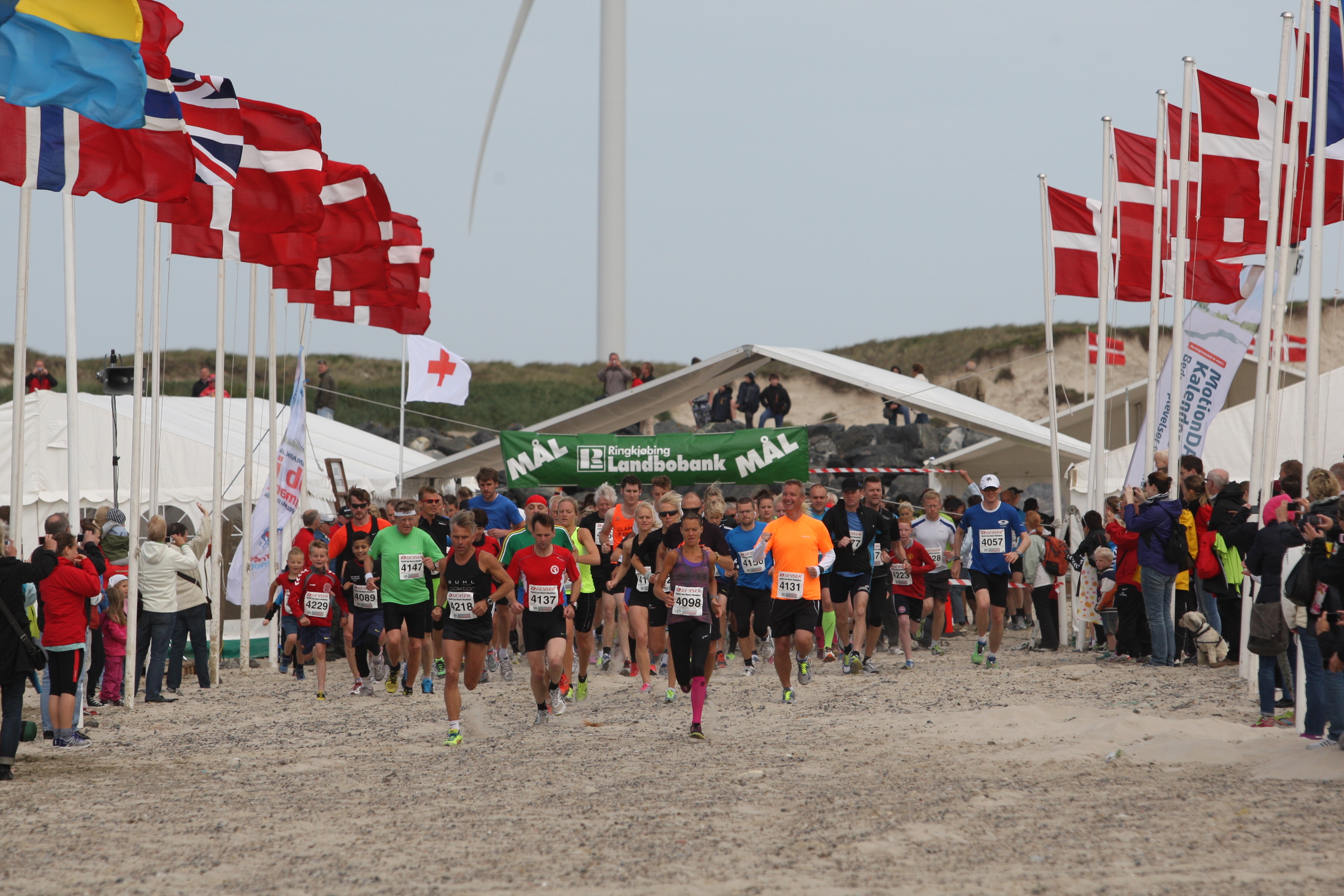
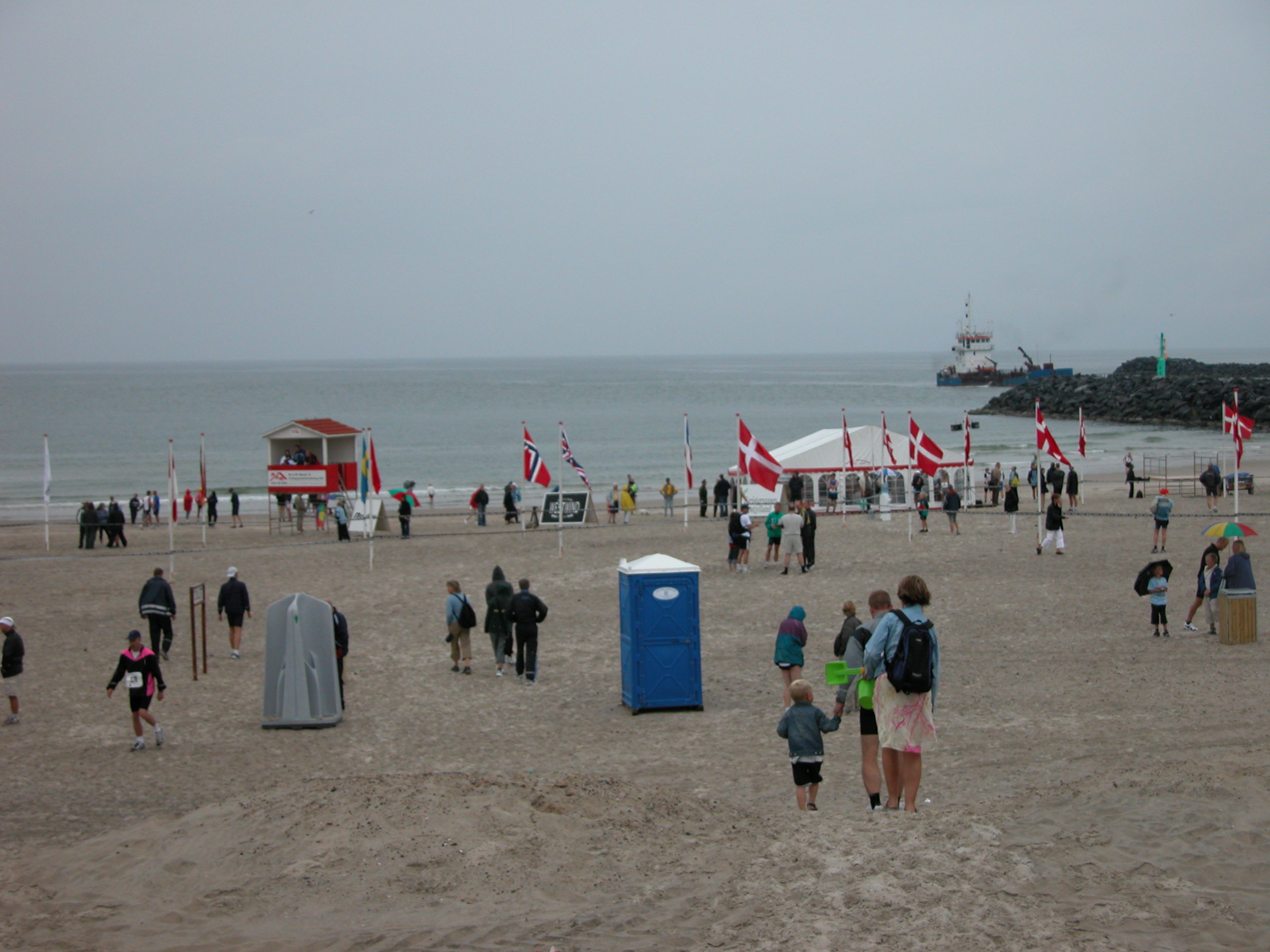
It had now become a tradition for both the boys to come along. The race started at 11 a.m., so we had to leave home early to get to the west coast of Jutland in time. Vejers Strand is in southwest Jutland, in Varde Municipality between Blåvand and Grærup. The start was in the middle of the beach where there wasn’t usually very much going on. But there was no doubt that something was going on that day. Flags, toilet wagons, cars and people in running gear made their marks at the beach.


Just like other runs I have taken part in this was also quite special and had its own charms. Until then, I had run marathons in very hilly territory, including both mountains and steps, and I had also negotiated curves and turns where signposts and guides had been vital to the run. Here, the track was as flat as a pancake and all you had to do was run straight ahead. There were no mistakes to be made.


2003.06.29 NSBM Hvide Sande__00008


Running in sand was entirely new to me. In some places, it wasn’t much of a challenge, in areas with moist, hard sand that was easy to run on. In other places, we ran on stones close to the water’s edge, which made it worthwhile to run right at the water’s edge in certain places, despite the risk of getting wet feet. The worst places were those with dry, soft sand. Here, it felt almost as though you were running in slow motion. Apart from the ground conditions we also had to battle against a stiff oncoming wind from the northwest, and one unpredictable factor was that you never knew where you might sink in. You couldn’t see if there was air trapped beneath the sand. At the start of the race, the sky was full of heavy clouds, although it didn’t rain.


Not every runner gets the opportunity to jump over a dead cod in the middle of the route, and it is seldom indeed that the first-aiders at a marathon drive around in tracked military vehicles. But such are the conditions when you set out to conquer nature and run a marathon along a never-ending sandy beach in wet socks and with the wind whistling in one ear most of the time.


As at most marathons, there were signs every kilometre, although the countdown was rather unusual because it had to be adapted to four different distances.


The run might immediately sound rather boring, but on the contrary it was quite unique. Its setting along the outermost edge of western Denmark, and the sometimes blustery wind helped to make for a sensual experience in which you tasted both salt and sea.


This time, Steffen was to run the ten kilometres and therefore started at the point where I had already run 32.195 kilometres. This distance was to start at the water’s edge, but because the sea had “eaten” its way up to the flagpoles they had to hurry to move the start a little further back. He was not due to start until 14.30, so, as I approached Skodbjerge Strand, I got the idea that I would arrive in time to give him a hug and wish him a good run. I was perfectly aware of the fact that I would not have the necessary energy to keep up with his strong young legs on my final stretch. But my idea turned out to be pretty stupid. I battled away to reach Steffen and in so doing used more energy than I actually had. As a result, the ten-kilometre run started less than 100 metres before I got there. I saw the start but couldn’t catch sight of Steffen sprinting off in the crowd. After this, I was both physically and morally shattered and had to walk most of the last ten kilometres, which thus took me more than an hour and a half.


130630_2204 edited


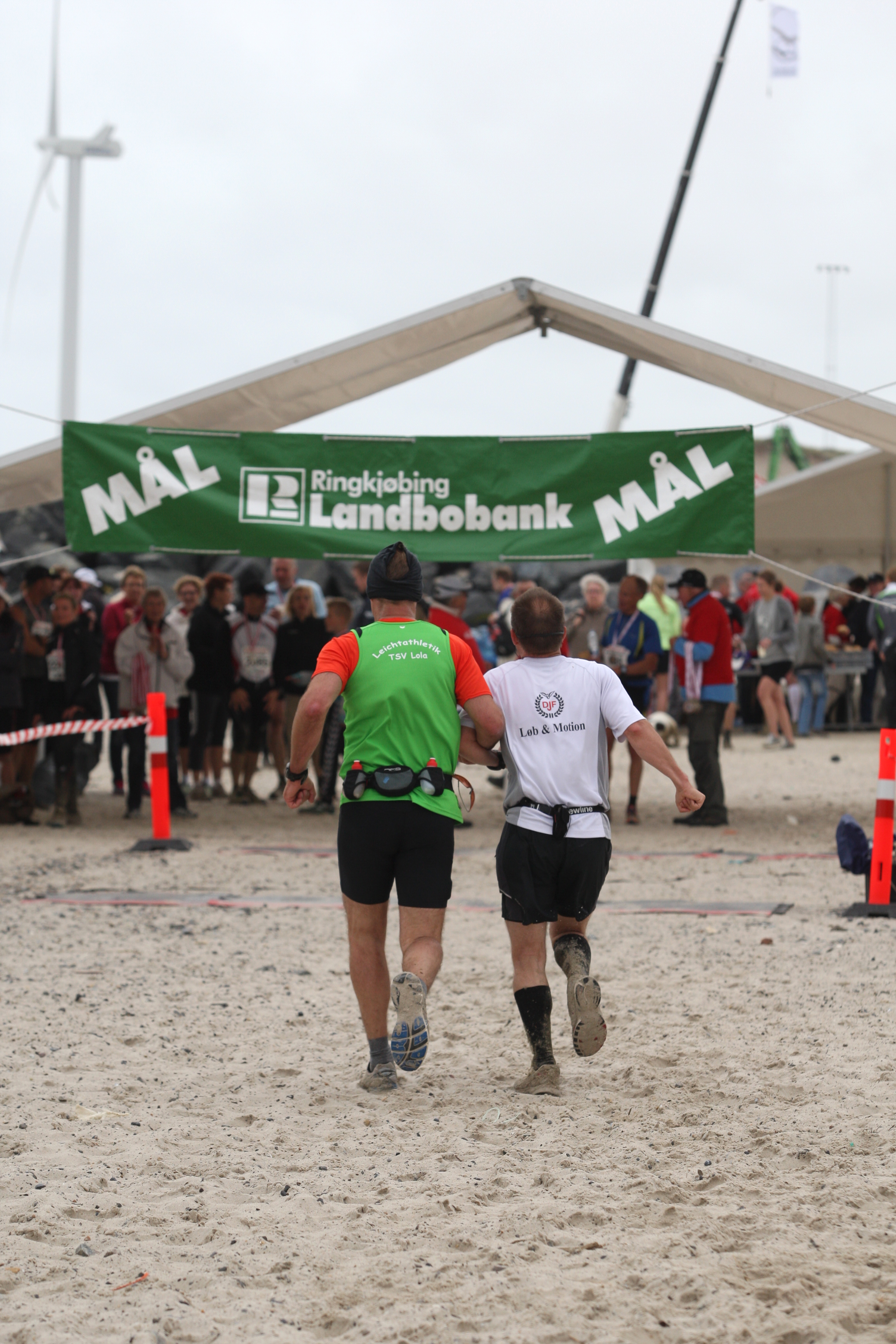
But there was no way I could get myself to walk across the line even though running was not easy. At the finish, the three shorter distances and a lot of marathon runners had passed this point before me; and the sand was now so soft that it was just like running in deep snow. So putting the last few metres behind me was quite an ordeal.


Although I was tired and exhausted, it was simply great to cross the finishing line in the cosy little fishing town in the parish of Holmsland Klit. The atmosphere was pure party here. The baker on the pedestrian street was selling beach runner cakes, and a few local women stood there concerned in the wind talking about how all those runners had far too few clothes on. It was also wonderful to be received by my two sons at the finish. Steffen had managed his ten kilometres in 1:16:10, while it took me 5:01:37 to complete my marathon. After a cooling shower, we drove back to Zealand.


A total of 1821 runners from 11 nations had signed up for the four distances before the day of the race. Of these, 1623 completed the run, 426 of them marathon runners. The winning man was Torben Nielsen with a time of 3:10:30, while Polish Janina Malaska was the first woman to cross the line with a time of 3:29:44.


Buy the book here.


Engelsk forside

2955072-peter-fredberg

Peter Fredberg

April 29 2015

Together with Søren Rasmussen and I, Peter Fredberg was for the first few years one of the “eternal” trio in The Great Wall Marathon. Unlike the rest of us, Peter is a proper sportsman who has been keeping himself going since his youth.


???????????????????????????????

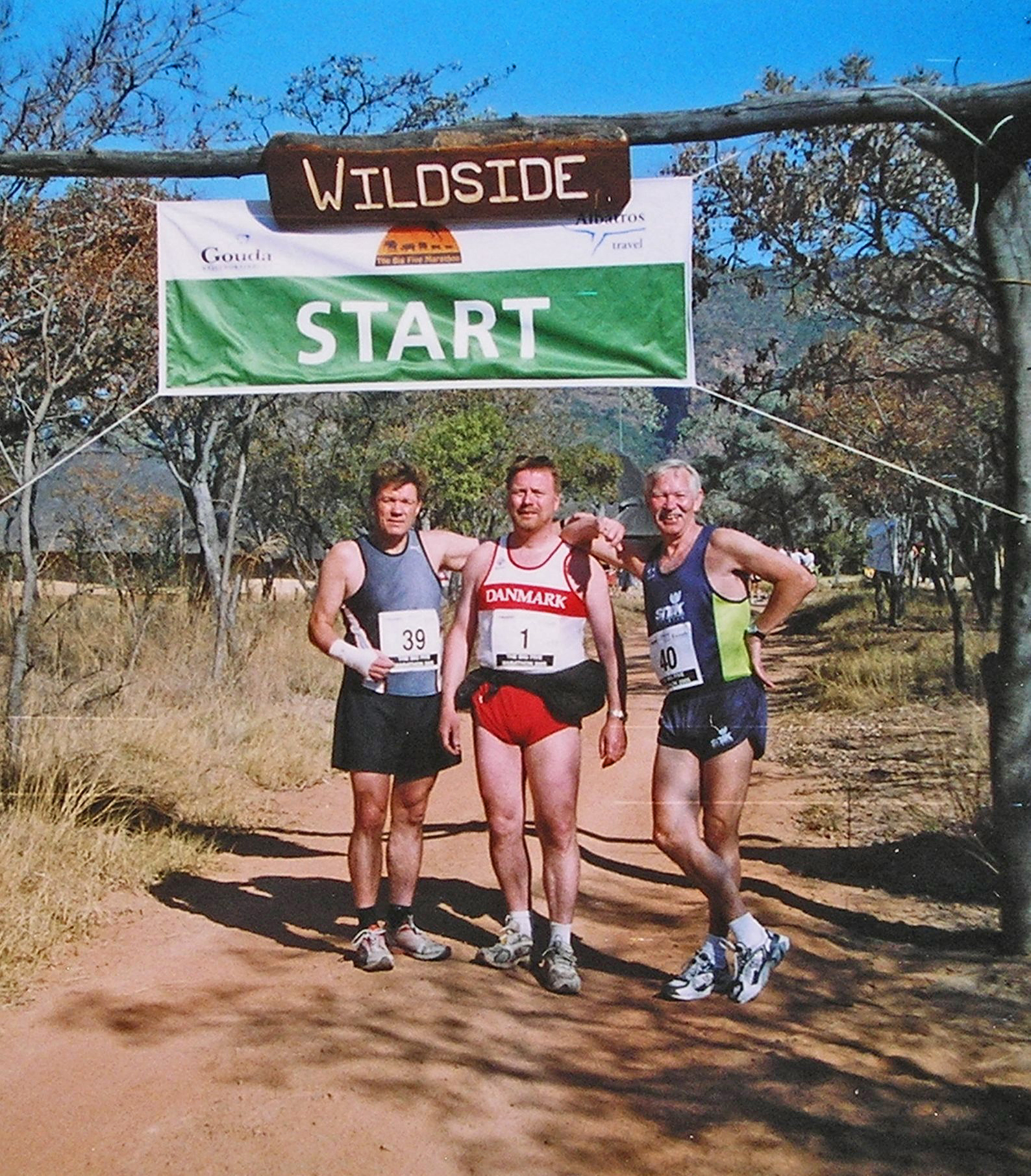
The once “eternal” trio: Søren Rasmussen with race number 39 and Peter Fredberg with race number 40


Born in 1945, Peter has been a journalist since starting as a young trainee at the local newspaper Faaborg Avis on the island of Funen. After that, he was on the staff of other dailies on the island before leaving for Copenhagen and the tabloid BT. Since 1972, Peter has been co-arranger of the Eremitage Run (in the Deer Park north of Copenhagen), and BT’s half-marathon runs in his blood.


Since his youth, Peter has played table tennis, and he has won numerous veteran championships. He is also a seasoned marathon runner. In The Great Wall Marathon 2004, Peter wore the number 100 on his chest, signifying that, after this run, he would join the exclusive Klub 100 Marathon. This is not a club, but rather a list of Danish marathon runners who have rounded 100 official marathons. The following year he ran with the number 60 to celebrate his round birthday three days earlier.


As a journalist, Peter is an ice hockey expert, although he is an extremely competent all-round sports journalist. He has also written books about table tennis and has been attached to the travel magazine Take Off, for which he has been a highly productive writer.


Peter received the Sports Journalist of the Year Award in 1987 and a medal from the Danish Athletics Federation in 2003 for his contribution to fitness running and the Eremitage Run in particular. In 2010, Peter was proclaimed “Bus Travel Journalist of the Year” at the annual Travel Fair at Copenhagen’s Bella Center.


Peter has been Adventure Marathons’ press representative and a member of the organisation committee since its inception in 1998. He has diligently promoted new and up-coming runs in BT, as well as reporting during and after trips, giving his newspaper’s readers valuable insight of what a fantastic experience it is to travel out into the world to run just over 42 kilometres. During the first few years in China and in other races almost entirely dominated by Danes, Peter has wittily and affably presented watches, newspaper subscriptions, etc. to participants, who might not have run so fast but had at least done or experienced something worthy of note in connection with the races.


On many of the marathon trips around the world, Peter has been accompanied by his wife, Mie. On the first trip to China Peter was spoken of as “the running reporter”, and there is no doubt that the best mood description is provided by a journalist, who has felt a run with his own feet. Peter ran The Great Wall Marathon seven times and subsequently half that distance on several occasions.


Peter was always a participant to be counted on in the first ten Great Wall Marathons. Since then, however, obligations have prevented his participation because the run now coincides with the World Ice Hockey Championships.


Buy the book here.


Engelsk forside

??????????????????????

Søren Rasmussen

April 21 2015

The men behind The Great Wall Marathon and the subsequent races, which later became known as Adventure Marathons, are the trio Thomas Thomsen, Søren Rasmussen and Peter Fredberg. As the representative of the Danish Athletics Federation, Thomas has been responsible over the years for the technical implementation of the run and stood at the end of the run rewarding participants with medals. The two other members of the dynamic trio have felt the rigours of the race on their own feet.


OLYMPUS DIGITAL CAMERA

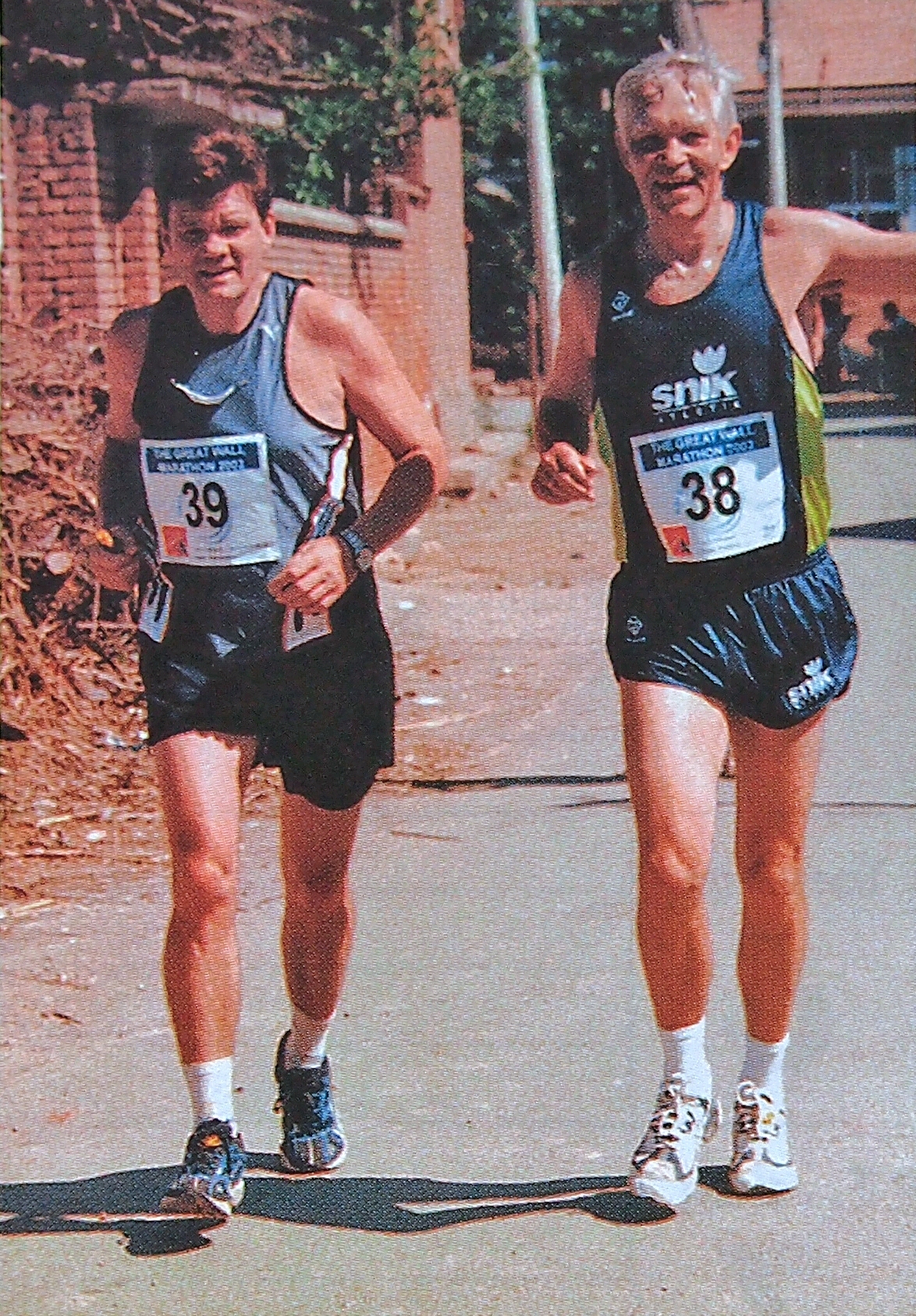
Søren Rasmussen with race number 39 and Peter Fredberg with number 38


Søren was born in 1952 and studied molecular biology at university. He was a co-founder of Albatros in 1986, but soon became sole owner of the company which has grown steadily over the years and now has more than 100 employees. Albatros specialise in distant and often exotic travel destinations and, as is relevant here, marathon trips. With his considerable knowledge and great love for the World’s second largest continent, Søren wrote a book in 2011 with the title “In the beginning there was Africa…”. Søren has travelled the world and guided more than 100 safaris, especially in East Africa. With his background as a biologist, Søren is extremely knowledgeable. He can seem a bit devil-may-care in the positive sense, but he’s always genial and makes good company.


Like myself, Søren is not a “proper” marathon runner, and he also had this crazy idea of making his debut in this classic distance on the Wall in 1999. Since then he has run a number of races, particularly the first four Great Wall Marathons. Unfortunately, however, poor health put a stop to Søren’s long-distance running, with a replacement knee and lung problems throwing a spanner into the works. Indomitable Søren has, however, kept on running shorter distances, as well as kayaking. After many years as managing director of Albatros Travel, Søren took over in 2011 as the company’s board chairman.


Buy the book here.


Engelsk forside

???????????????????????????????

The Great Wall Marathon 2001

April 15 2015

Third time lucky


For me, there was no doubt that I was going to join the third trip to the Wall. I felt that I needed to take revenge after the run with the blisters, and my promise to Søren Rasmussen was also etched in my mind. It is less clear to me now why I chose to take both boys with me again. It was the third long trip they were to take with me within a year. The first two could be explained by what they could learn and the new experiences they would have, but this repetition was not quite as logical. Basically, it was perhaps my own egotism that made me take them out of school again, but looking back many years later I can see that the trip was defensible all the same, despite the school hours lost.


The trip that almost never happened


In 2001, the departure date was 21st May, which would turn out to confuse me so much that it almost cost us the trip. We arrived at the airport in really good time – or at least I thought we did, and after checking in, we did a bit of shopping. After that, we took a seat at a bistro to have a meal and something to drink. The boys went exploring while I gave myself time to make a phone call.


However, just before 8 p.m., I heard a voice over the loudspeakers saying that the family Brandt should proceed immediately to gate C 33. I got into a bit of a sweat, and we really had to put our skates on. At the gate, we were told that we had arrived at the very last moment and that they had already called us four times over the loudspeakers. In fact, it was only because they had to change planes that the flight had not left yet. When I got on board, I checked our boarding cards. It turned out that we were not supposed to fly at 21.05 but at 19.45. The number 21.05 was our date of departure! How stupid can you be?


This year we arrived in Beijing well into the morning and went straight to our place of residence. The Olympic Hotel, according to the number of stars, should have been the same standard as previously. The hotel was certainly acceptable, but the standard was not nearly as good as what we had previously experienced. The biggest disadvantage was that it was so far away from central Beijing that we had to ride three quarters of an hour in a taxi when we wanted to go to the markets. In addition, the hotel was not geared to international visitors. They spoke very good Chinese, but we did not.


Looking about the hotel, it was difficult to imagine that there could be any unemployment in China. Two women stood at the entrance to the hotel restaurant greeting arriving guests. Two more waited inside the restaurant, and out on the street stood men in uniform who apparently did nothing but watch life going by.

It was like that in many places. One of the country’s lowest ranking jobs was to stand at bus stops and wave buses in to waiting passengers.


There were 21 groups on offer this year, but too few people signed up, and several of them retracted. We had originally signed up for group 14, but ended up travelling with group 21, 17 people in all. Because we didn’t feel the need to see the tourist attractions again, we chose a group without guided tours. This gave us plenty of time to go exploring on our own, which was very nice.


Linguistic challenges


Communication can be difficult at times. I was already aware of that, but this year I came across more examples of how problematic it can be when people from different parts of the world with different cultures and languages need to communicate with each other.


It is said that the spoken word only has 7% significance for communication, whereas intonation accounts for 38% and body language all of 55%. For this reason, I can get on quite well with someone from Poland, even if we are each speaking our own language. Because we live in the same part of the world and have more or less the same cultural background, we have other ways of understanding each other. But my experience in China was completely different, because both intonation and body language are very, very distant from what we know. This happened several times in 2001.


We spent Thursday around town, exploring in-depth the copy markets. We didn’t have much time the previous year because we had to keep up with the group schedule, but now the boys had time to look at T-shirts, mobile phone accessories, CDs and much more. At the Pearl Market, however, Emil suddenly needed to go to the lavatory, and I had to ask the way. This wasn’t easy. I realised quite quickly that we couldn’t express ourselves verbally and had to try other approaches. The result was rather like pantomime, with me standing there with my legs apart with a finger on my fly to let people know what it was we wanted. But nobody understood what I meant. Thankfully, a Swedish tourist came by and told us the way to the gents’ toilet on the second floor.


Later on we needed to withdraw some cash and had to find a bank. This was also tricky. After many attempts at asking the way, we had to wander around until we came across a bank. We succeeded after a while, and the bank had both Visa and MasterCard signs. I sighed with relief and after waiting for ages in a queue it was my turn, but I couldn’t withdraw cash with my card. I pointed to the signs, but nobody understood what I was trying to say. Apart from the two international logos there was also a Chinese logo on the sign. This kind of card could likely be used at that bank, but that didn’t help us.

We spent quite some time looking for somewhere to withdraw cash, finding several other banks where we couldn’t use our card. After a long search, we finally found a bank employee who spoke a little English. She said we would have to go to the Bank of China to take out money, but this didn’t solve our problem either. We were unable to withdraw money inside the bank and were shown to the ATM outside. It had a keypad, but all the information on the screen was in Chinese. I was almost in a state of panic, because I had inserted the card into the ATM but had no idea which button to press. I had to go into the bank again, and one of the staff came out to help me. Everything sorted itself out in the end.


International style


We had to get up early Friday morning, which was the day we were to inspect the course. Unlike the first two years, we wouldn’t return the same day. We were to spend the night near the Wall and therefore had to check out from the Olympic Hotel. Once again, I had a problem with the language when I phoned to book a wake-up call, though I did succeed in the end.


The bus left Beijing at five o’clock in the morning, so there was no time for breakfast. We were given a bag of food to eat in the bus, but not many of us touched it.


Unlike the first two years, the buses didn’t drive in a motorcade. Some 20 buses had made the trip the day before, and many participants were already living in the marathon area.


There had been a limited number of runners in 2000, but the 2001 run was the biggest yet. Until now, the Danes had dominated the field, but those days were over. A total of 511 runners entered, and it was now possible to run a half-marathon. A total of 16 nations were represented, and though there were quite a few Danes, the United States had the most runners, and that is how it has been ever since.


???????????????????????????????


Kathy Loper in particular had done her bit to attract interest in this marathon in the United States. With her travel company Kathy Loper Events, she brought a group of American runners and has done so year after year. Kathy was the woman who collapsed at the finishing line in 2000 and had to be hospitalised. That didn’t put Kathy off, however, and in 2001, she achieved a magnificent seventh place among the female half-marathon runners.


Now that the run had assumed a more international character, the information meeting was held in English. It was led by Rod Dixon, who had previously won the New York Marathon, as well as a bronze in the 1500 metres at the 1972 Olympics in Munich, and who the following day won the half-marathon in convincing style. Otherwise, the inspection tour was more or less the same as the two previous years.


New start time


The route had been changed radically from the first to the second year, and this year the route was the same as the year before. However, the start time was brought forward by 2½ hours in relation to earlier. This meant that a good number of runners would avoid the worst heat during the afternoon, and the whole run could be completed by evening.


As in the first year, the marathon was run on 26th May. We arrived early to watch the opening ceremony involving representatives of the Chinese and Danish athletics federations, as well as the local mayor and other dignitaries.


The marathon started at 7.30 whereas the half-marathon runners set off at 8 a.m. Among them was Steffen, who was now to have his debut on the Great Wall. I had a good run, although I fell on the tarmac road about a quarter of the way into the race and grazed my right knee, but it was nothing serious. When I arrived at the Yin and Yang Square I was informed that Steffen had crossed the line with a respectable time, so half my day had already been made.


???????????????????????????????


On the level section of the route, I looked forward to reaching the Wall, where I would be able to walk with a clear conscience. The pleasure quickly disappeared when reality caught up with me. I had obviously used more energy on this first part of the course, along which I had walked most of the way the previous year. But now I was quite simply sapped of all energy, which meant that negotiating the Wall was far tougher than before. It was an unparalleled struggle. Time after time I had to sit down on the steps and rest while I stared out across the magnificent countryside and the huge edifice that is the Wall. But at that particular moment I had no surplus energy to enjoy anything. I don’t know how long it took me to get across the 3½ kilometres of wall, but I reckon it must’ve been around an hour and three quarters, equivalent to two kilometres an hour.


???????????????????????????????


As I set about the Wall for the second time, I envisaged quite a specific finishing time. That all went by the board, however, because this was “torture” and a pure fight for survival. Having got across the Wall, I was actually prepared to run down the mountain. But I got into a conversation with a slow-running American woman who was doing the half-marathon and had got no further. She intended to walk the rest of the way. We had a most enjoyable conversation, and since I had no phantom time in sight, I decided to stay with her for a while.


At the end of the mountain section, however, there was only a kilometre left to the finish, and I had to tell her that I really didn’t want to cross the line walking. Because she had no option but to do just that, I ran on and felt reasonably re-energised.


???????????????????????????????


As always, it was a tremendous feeling to cross the line and get a medal round my neck. My time was 6:50:03. Not the best time in the world, perhaps, but since I’d given it more or less all I had, I considered this run to be another great personal victory.


Steffen ran his half-marathon in 3:19:10, and I was impressed that a 13-year-old boy could complete the world’s toughest half-marathon in such an excellent time. As in Kenya, he was the only child in the race.


???????????????????????????????


Søren Rasmussen in crisis


Out of the original 300 plus marathon runners standing at the start two years previously, only three of us were left. One of them was Søren Rasmussen, the managing director of Albatros Travel and one of those who took the initiative for the first Great Wall Marathon. But he got very close indeed to missing this third race.


On Ascension Day, just two days before the race, Søren’s daughter was to be confirmed, and this had presented Søren with quite a dilemma. He had tried to convince the girl to be confirmed on another day, but the independent young lady had insisted on being confirmed together with her classmates. The result was that Søren did not fly out of Copenhagen until the day before the run, arriving in Beijing on the race day itself just after six o’clock in the morning. Added to this, he had not had much of an appetite during the flight. It was of course impossible for him to get to the official start of the full marathon, but a chauffeur was waiting at the airport, and Søren was driven to the start at a rate of knots. The car had to stop along the way for Søren to get out and be sick in the verge. The car arrived just before eight o’clock, and he started at the same time as the half-marathon runners.


These were in no way the optimum conditions for such an arduous run, and they left their mark. When he reached the Wall for the second time, he had to lie down for half an hour and had no idea what to do. In the end, he stuck a finger down his throat and barfed, after which he fought his way to the finish. It is said that Søren was under the strict supervision of a medic on the last section of the run. But his perseverance paid off, and he deservedly crossed the line at the last moment before the absolute deadline.


Emil


Victory on the home track


For the first time, The Great Wall Marathon was not won by a Dane. The first man to cross the line was the Chinese newspaper delivery boy Zi Jixiang with a time of 3:50:24. He had run the previous year but came in number 42 with a time that was more than two and a half hours slower. He had only trained for a week leading up to his first marathon. Having never run one before, he pushed himself so hard that he became completely shattered and had actually considered himself dropped out. However, after a very long break he set off again and completed the race.


In the marathon distance, 184 men and 86 women completed the course, while 73 men and 101 women crossed the line in the half-marathon. Some 67 dropped out this year while 11 dehydrated and were put on drips.


Lars Bom got his revenge having dropped out in 2000 and came in a very respectable 14th. Another celebrity ran in 2001, the former Tour de France cyclist Brian Holm, who came in 22nd. After the race, he said that he had ridden the world’s toughest stage on a bicycle seven times and completed ten times in the spring classic Paris-Roubaix but that he had never had to work as hard as he did on the Wall.


Kim Tang Veje, who dropped out of both the first Great Wall Marathons, tried again and this third time he was lucky.


Stubbornness and endurance are rewarded. It is the head, not the legs that decide the result.


Surprisingly fresh


The day after the run, I found to my surprise that I felt really good considering what I had put myself through. I had not expected this as I was struggling across the Wall the previous day. Both my feet and the rest of my body were ready to do another run. But I decided to refrain.


Struggle to find a tie


In keeping with tradition, we were to attend the after-race gala dinner. Although there was no dress code for these dinners, I wanted to be well-dressed. To my dismay I found that I had not brought a tie with me. We had all kinds of other things with us, but a tiny little tie, which took up no space at all in my suitcase, I’d forgotten it. I had brought along a shirt, jackets, trousers, shoes, tie pin and an iron, so it would be anything but elegant to attend a gala dinner with no tie on. I decided to try and find one.


Emil and I went down to a marketplace next to the hotel. There was everything between heaven and earth here, but I couldn’t see a tie anywhere. I found a gentleman’s outfitters, but once again the language barrier raised its ugly head. With a round of charades, I tried to explain to the man that I wanted a tie by taking hold of his shirt collar and “drawing” a tie around his neck and down his chest. See, he thought he had understood – after which he tried to sell me a shirt. I tried again, and a lady came along, but neither one understood anything. No matter what I did, they just wanted to sell me a shirt. So I took a piece of paper and tried to draw a tie for them, but to no avail. They were convinced that I wanted a shirt, and it was not until several attempts later that they understood that I was looking for a tie. But they didn’t have any in their shop.


We went on to a place resembling a Western department store and at the entrance stood a man wearing a tie. I took hold of his tie and looked as though I was searching with a hand above my eyes. He immediately understood and pointed us in the right direction, and here there were so many ties that it wasn’t difficult to find something suitable.


Gala dinner


Ingvor from Bornholm, who had given me the folder about the 100 kilometres run around Bornholm, was with us in China again, and when we were heading for the gala dinner he came along with both his Chinese medals round his neck. He asked me why I was not wearing my three medals because, as he said: “If you’re not going to air them at an event like this, when are you going to?” This gave me an idea that, over the years, would prove to be just a bit over the top.


The gala dinner was held at a large conference centre which could seat up to 1,000 people. We were served with delicious buffet food and drinks ad libitum. During the dinner, the winners were announced, and others were also rewarded for their performances. In between we were entertained by local performers. A band played after the dinner and later there was a disco. Some of us continued to party with beer, wine, crisps and chocolate in one of the hotel rooms.


???????????????????????????????


Take two, pay for one


Three of the runners present had run the first three Great Wall Marathons. Søren Rasmussen from Albatros Travel and Peter Fredberg of the tabloid BT were both members of the organisation behind the run, so I was the only tourist to have run all three times. Søren came over to me during the dinner for a chat. He said we were now an exclusive little club of three who had completed the run three times. “If you run it for a fourth time I’ll give you the fifth,” he said. I looked flabbergasted at Thomas Thomsen, who was standing there with us. “Will you be my witness?” I asked. Thomas answered. “You don’t need a witness. Søren is an honourable man – you can count on his word.”


This was a very nice gesture. Up to then I had not really decided whether to run again, but now I knew that I would be leaving for China again at least twice.


Special offer haircuts


We spent the last day relaxing and buying the last few things. One of our fellow travellers came into the hotel with a new haircut and recommended a hairdresser nearby. We had to try that. Here, too, we experienced language difficulties, but we sorted it out. All three of us had our hair cut. I had my beard trimmed, and Steffen and I had scalp massages. All for a total of less than ten US dollars.


Buy the book here.


Engelsk forside

Karen Blixen

The Karen Blixen Marathon 2000

April 8 2015

???????????????????????????????


One would think it would take ages to recover from a run all the way round Bornholm, but there was no time for that because I had already signed up for a marathon in November long before I had even heard of the 100 kilometre run on the rocky island.


The organiser trio, the Danish Athletics Federation, Albatros Travel and the tabloid BT had announced after the gala at the first Great Wall Marathon that there would be yet another marathon on the Wall. But they hadn’t exactly been taking things easy and had immediately started looking at other other new spectacular destinations with an extreme marathon included.


On 18th April 2000, the participants in the first Great Wall Marathon received a letter with the heading “Pre-publication of The Karen Blixen Marathon”. We were thus able to sign up for the marathon before anyone else, because the event was not to be published until Easter Monday in BT.


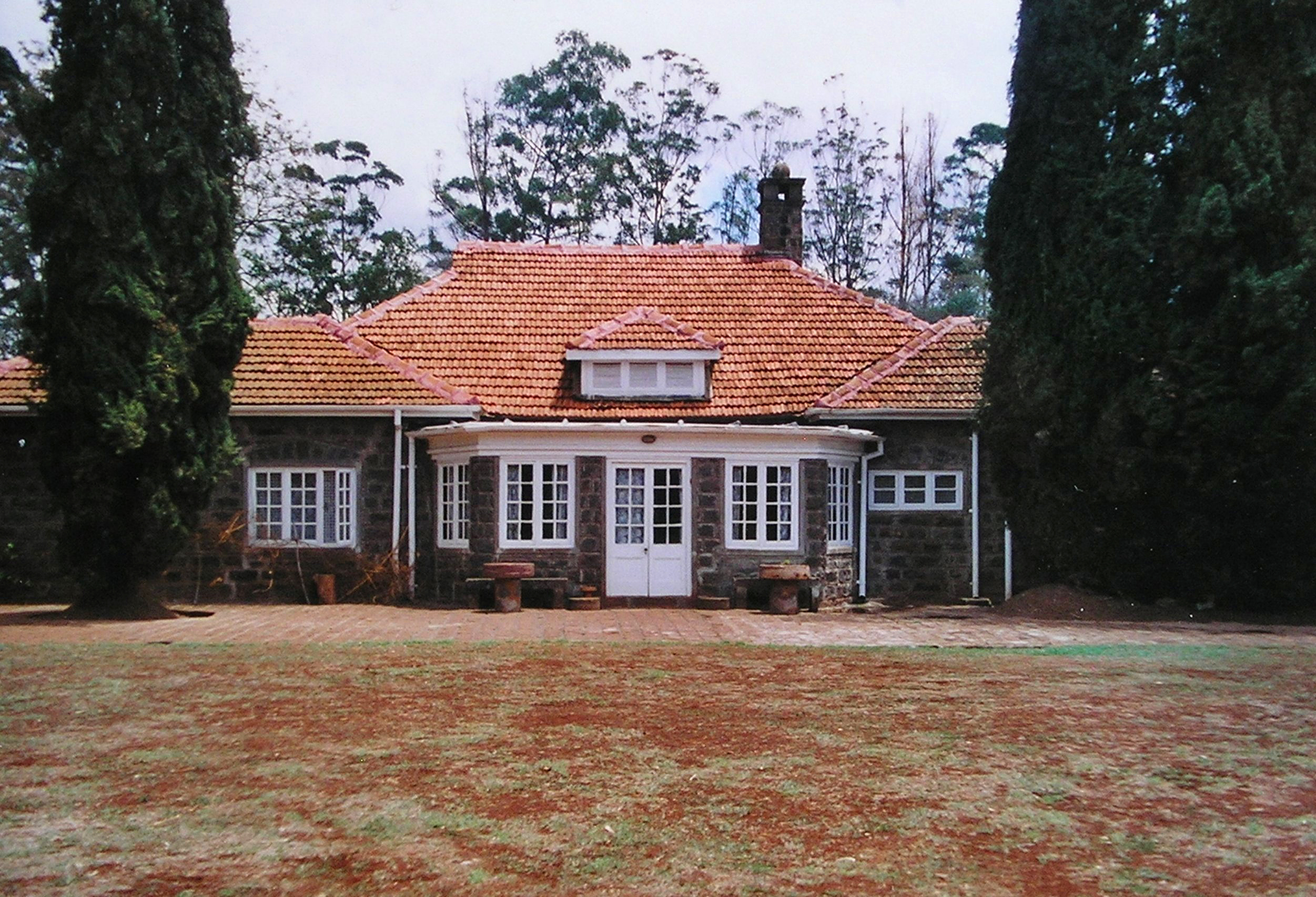
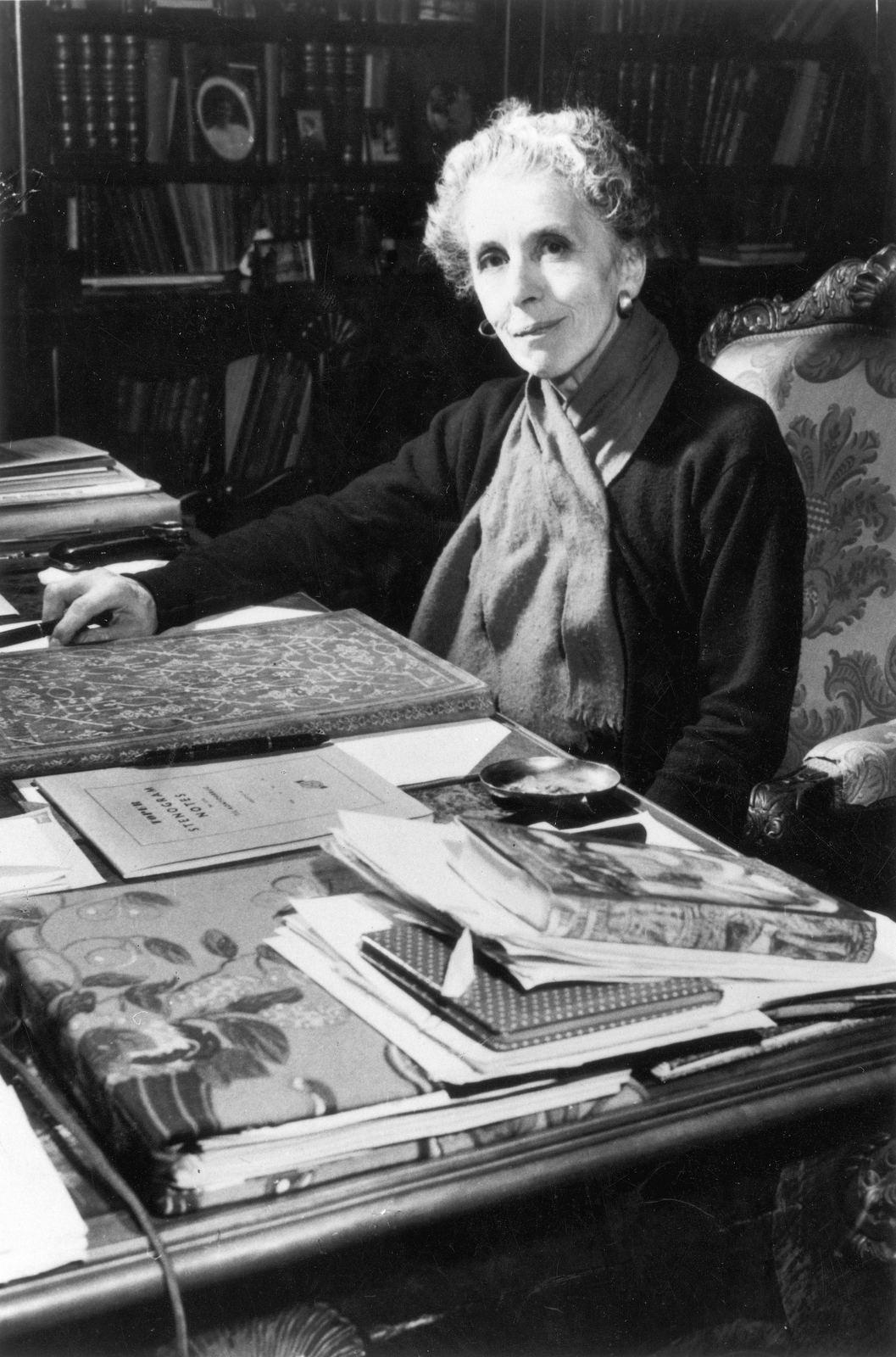
The famous Danish author Baroness Karen Blixen emigrated in 1914 to British East Africa, where she lived until 1931. In the meantime, the country had changed its name to Kenya. Karen Blixen invested her family’s money in a coffee plantation under the name Karen Coffee Co Ltd. and was then able to live the free life she had always dreamed of. Karen Blixen’s farm lay at the top of the Ngong Hills and was immortalised in her book “Out of Africa”. The world got to know the farm from the 1985 blockbuster of the same name starring Meryl Streep and Robert Redford. In the wake of the success, the farm was converted into a museum and is today one of Nairobi’s greatest attractions. Karen Blixen’s farm was to be the destination for this fantastic marathon.
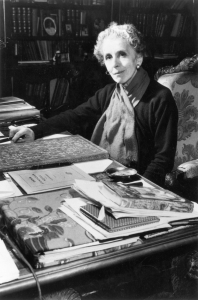
 

Karen Blixen


The run was described as a unique route starting at the top of Ngong Hills and continuing down the massive East African Great Rift Valley, which is typical of semi-arid savannah with acacia trees, antelopes and colourful, proud Maasai. After this, the route swung back up over the Ngong through the luscious suburb of Karen, to end at the farm itself. The marathon was to be run at an average height of between 1600-1800 metres above sea level. There were a few relatively difficult ascents and downhill stretches, but the route was not described as being of the same calibre as its Chinese “sister” marathon.


I was in no doubt that I would participate in this trip and take part in this fantastic run, and because it was important to book early I did so already in the spring. My sister was also thrilled when she heard about the trip and wanted to come along as a spectator. But eventually, she had second thoughts, so I decided to take the boys with me on this trip too. I booked the trip just a few days before we left for China in 2000, so there we were with two big journeys ahead of us within six months.


Vaccinations a challenge in themselves


Travel in Africa is not without risk for Europeans. Various diseases and especially bites by a malaria-bearing mosquito can ruin both the trip and your health – and be potentially fatal. The organisers recommended that we arranged for the necessary vaccinations, and we were advised to seek information, good advice and guidance from our own general practitioner, although we could also contact the marathon’s surgeon at the Travel Clinic in Ordrup, north of Copenhagen. I thought it was a good idea to spare us the trip to this clinic and therefore contacted my own doctor. This would turn out to be problematic.


Our GP would be pleased to vaccinate us; all I had to do was to find out which vaccines she needed to order. I was rather taken aback, because I had no basis on which to decide which vaccines were needed, and asked the doctor to find out for me. That got me nowhere, though. I was told that it had nothing to do with the public health insurance system. I made it clear that I would of course pay the costs and that I expected my GP to take the responsibility. “Then I am sorry to have to disappoint you,” came her answer.


The doctor gave me a phone number on which I could find out at the press of a few keys which vaccines I needed and I was pretty flabbergasted. I tried the number she had given me, but I didn’t like the situation. Then I called the Serum Institute in Copenhagen, where the lady who took the phone was extremely annoyed. Not at me, but at my doctor.


We ended up going to the clinic in Ordrup anyway to seek professional medical treatment. Karin and Mogens Rishøj really knew what they were doing. I hardly need to mention that I subsequently found a new GP.


Preparations for the journey


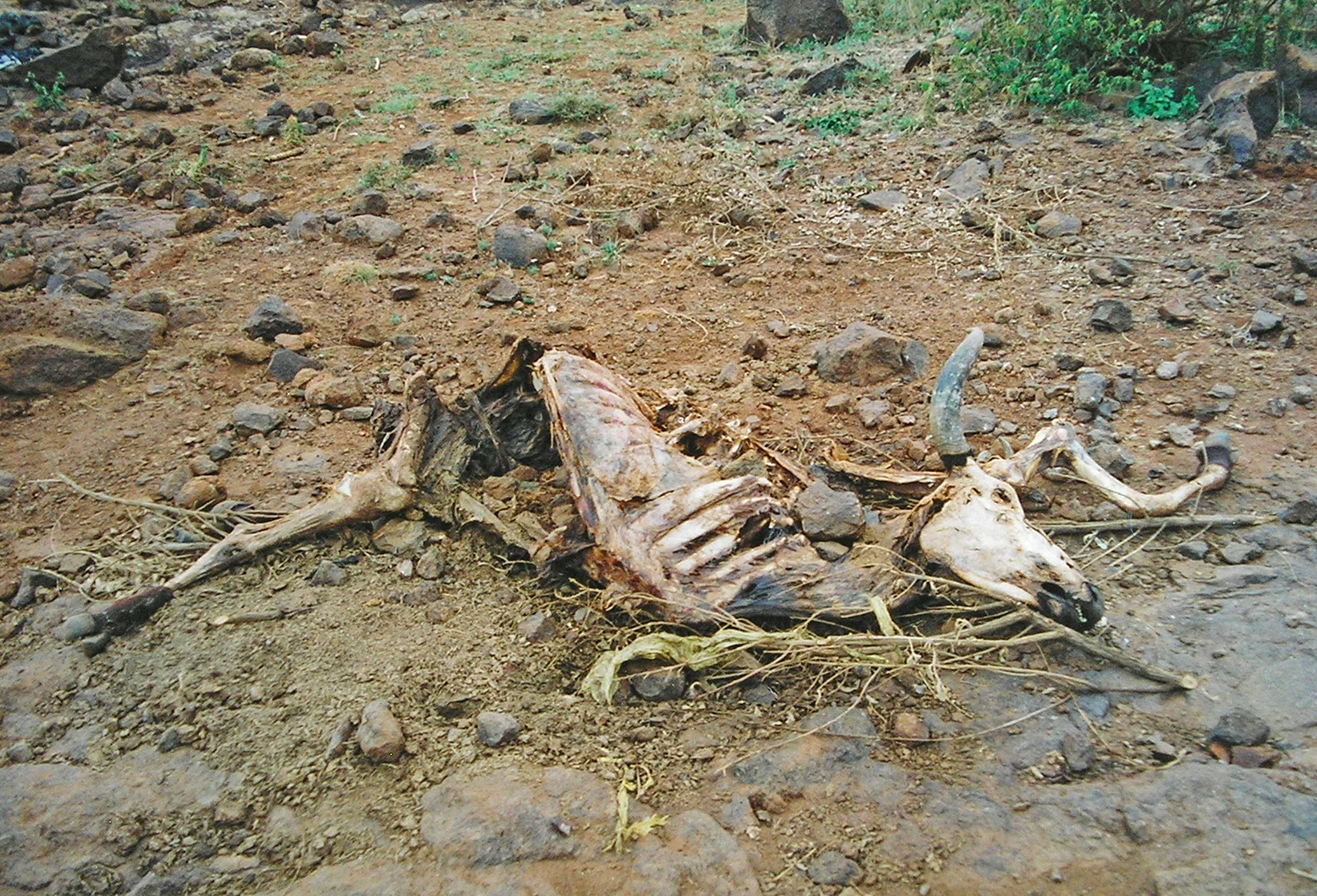
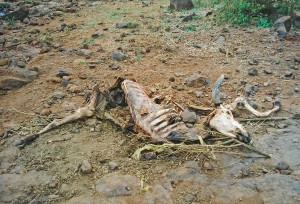
I didn’t need special training to this race. After the run in China in May, followed by the Ultra Marathon Bornholm the following September, it was “simply” a question of staying in shape. I had no possibility of training somewhere hot, but after two runs in hot weather in China I wasn’t worried. It was obvious that we might yet again be exposed to running in extreme heat. Just a month or so before we left for Kenya, we heard the country was in the grips of a severe drought which was described as catastrophic in certain areas. The drought had previously been concentrated in and around the remote and inaccessible areas but had eventually taken hold in the fertile central highlands. This naturally gave rise to considerations of both moral and practical nature about the race being run at all. The organisers did, however, continue to prepare the run according to plan because the framework for the race itself seemed to be in order.
 

???????????????????????????????


In the run-up to the trip, we received a steady stream of valuable written information about weather, insurance, water, health, clothing, food and travel conditions, etc. We were certainly well equipped to set off on this trip.


Copenhagen – Amsterdam – Nairobi


In the middle of the afternoon on Wednesday 1st November, we met at Copenhagen Airport, oddly enough at Karen Blixen’s Café. A couple of hours later we took off with the Dutch airline KLM for Amsterdam and after a further couple of hours in transit we left for Nairobi, where we arrived at six o’clock in the morning of Thursday. It took us half an hour to get to the hotel, where morning coffee was served at the same time as an information meeting was held.


That year’s Great Wall Marathon had not had that many participants, and here they were even fewer. The marathon had only been offered to Danes, although it had been organised so that local runners could also take part. They hoped that a lot of local runners would join in, and we were warned not to try and compete with the super-fast Kenyans. That was more or less considered as a futile exercise. They assured us that special winners would be elected among the Danish runners.


This was the first trip on which a half marathon was offered, and this was so tempting to Steffen that we signed him up during the information meeting.


Wilson Kipketer


As on the other runs, celebrities had come along to attract focus to the marathon. Bettina Aller had come along again and then there was Wilson Kipketer. At that time, he was the world’s fastest at the 800 metres, with World Championships, world records and an Olympic silver for Denmark. Wilson was Kenyan but represented Denmark. He was there not to run, but as an ambassador, and he was to fire the starting pistol and hand out medals at the finishing line, as well as take part in the big gala party after the run.


Kipketer had just married his Danish girlfriend, so the trip to his homeland was the newlyweds’ honeymoon. Wilson was so popular that his presence in connection with The Karen Blixen Marathon attracted huge media attention to the race and the participating Kenyans included six runners from Wilson’s childhood village of Eldoret.


Recharging in Kenya


The days leading up to the marathon were relatively relaxed and gave me the chance to recharge my batteries for the rigours of the Sunday run.
 

???????????????????????????????


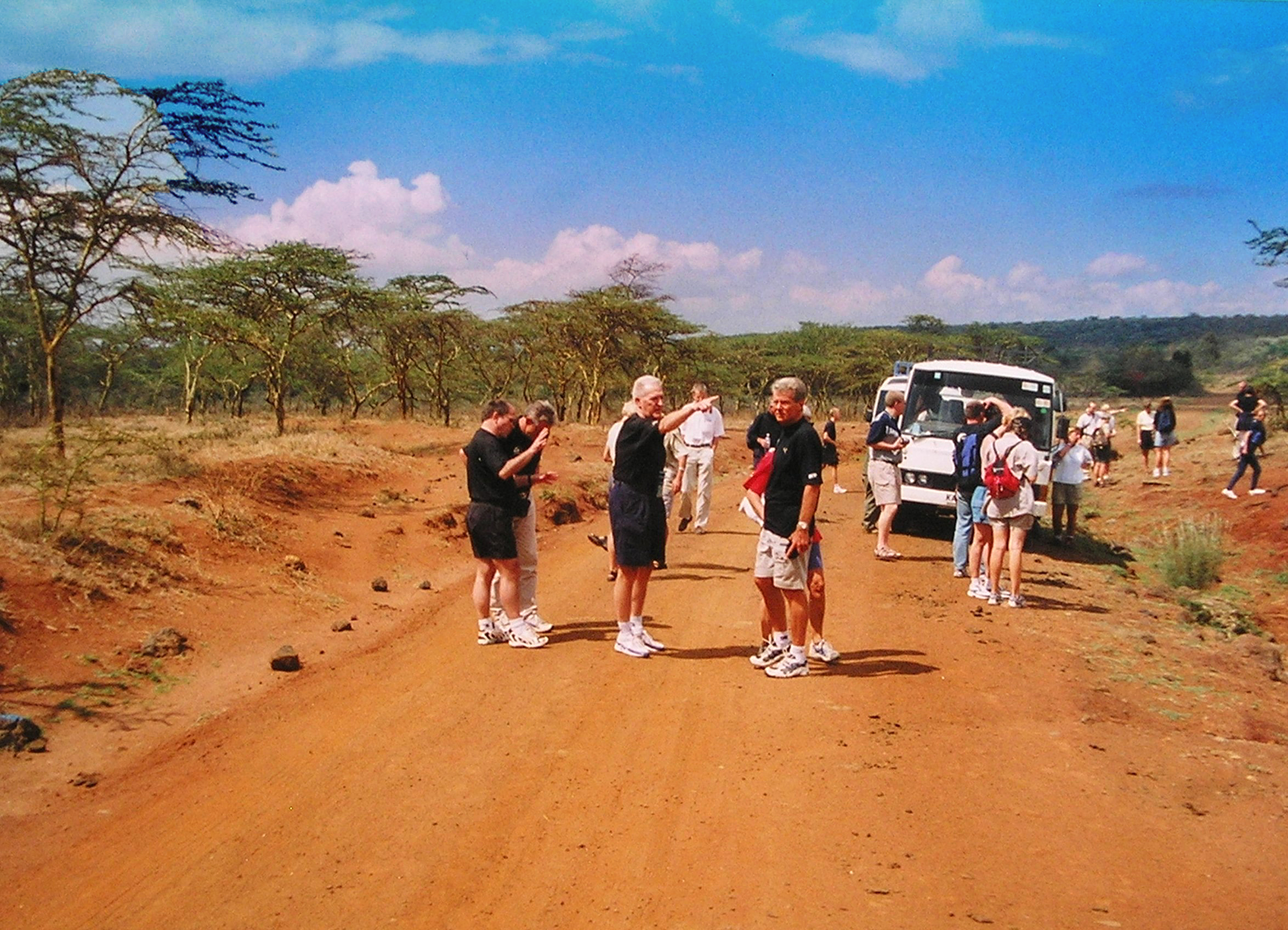
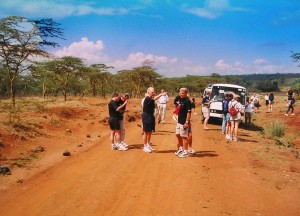
On the day before the run, there was an inspection tour of the route. I had got the impression back home that this was a so-called “normal” marathon, but here I found out it was an “extreme” of its kind. Maybe not quite in the same class as The Great Wall Marathon, but all the same. Most of the route was to be run through hilly, gravelly and dusty areas where the sun would be baking directly down on us, and to boot, in an area where one is probably closer to the Sun than anywhere else in the world.


At the finishing post, we saw Karen Blixen’s farm of course. I can promise you she left her mark on this little town. Roads, churches, hospitals and schools bear her name. I don’t think Kenyans even knew she was named Blixen. To them she was purely and simply Karen.


After lunch, we drove to a national park and saw wild animals from an open-topped car, which was fascinating. The day ended with a meeting about the run and all the technicalities, after which we had pasta for supper.


The Karen Blixen Marathon


On Sunday 5th November 2000, we set off by bus after breakfast. Being a half-marathon runner, Steffen was on another bus, while Emil came with me. We had agreed that Mie Fredberg would look after Emil while the rest of us ran.

We were aware that numerous Kenyans would be running. Some had already signed up, and others were welcome. It came as a surprise to us all, though, that a very large group would be starting. We Danes were clearly outnumbered in relations to the local runners, and there were not enough start numbers to go round, so they had to be written by hand on paper.


As soon as Wilson Kipketer started the race, most of the Kenyan runners were off like a shot, while most of the Danes started at a more modest pace. I quickly became aware of the fact that the air was thinner here than anywhere else I had run. I was short of breath, something I had never experienced before.
 

???????????????????????????????


The start was at Baridi Corner in the Ngong Hills, where the road had a nice smooth coating of asphalt, and the route dropped quite steeply over the first six kilometres towards the Rift Valley. So steeply, in fact, that it was necessary to hold back.


To begin with I was a bit confused about how far I had run. Kilometre signs had been erected, as always, but it turned out that they were not to be trusted. They had been made by local craftsmen, who hadn’t fitted them to metal spikes, but to plastic piping which were quite impossible to get into the stone-hard ground. The signs had simply been laid out on the ground the day before the race and as a result, some of them were missing while others had been set out haphazardly. I was pleased, though sceptical, when I passed the four kilometre sign. Reality dawned on me when I later came across the three-kilometre signpost. I decided I couldn’t count on anything and just ran on unguided.


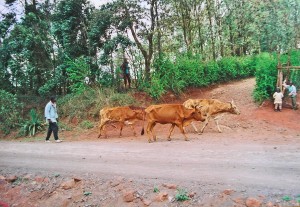
After a steep drop, the road turned sharp right, and the surface changed to simple gravel. For the next 17½ kilometres, the route was quite level apart from just over a kilometre’s drop to begin with and few ups and downs. It was a typical African gravel and dirt road strewn with rocks of different sizes across an area of savannah.


It was now around midday, and the sun was baking down on our bodies, which had nowhere to hide. Added to this was the problem that we had run past several abandoned water stations with no water. It was a big downer to see a water station on the horizon and then get there to find it abandoned and dried out.


Here, about half way through the run I was together with two women and we were rather sapped. Although not exactly panicking, but as time went by without water, we were getting rather concerned. Finally, a 4X4 came towards us with a Danish guide at the wheel. He stuck his head out of the window and asked if we were thirsty. Quite a superfluous question, but we were relieved when he handed us some bottles of delicious mineral water. The reason for the lack of water had been the many local runners. They were most welcome, but their number had caused complications for the organisers. Our guide had had to drive round to several supermarkets and a filling station to secure supplies of the vital drops. Steffen told me later that he and other half-marathon runners had been asked by a guide to go into a mini-market in Ngong City and take what water they needed from the cooler. The shopkeeper kept tabs on the quantity and was paid by the guide.


After running pretty much according to plan for the first 23½ kilometres, the road began to climb steeply up the Ngong Hills over a section of about two kilometres. This was the toughest bit of the run, and I and my companions had to walk – doing our best to power walk periodically. At this very point, I got the best shot in the arm I could have wished for. On the way up someone shouted from one of the support cars “Steffen has crossed the line in good shape”. My hairs rose on the back of my neck – I wasn’t half proud.


After a steep ascent, the road took us through farmland along six kilometres of uneven tarmac. At that time, I was most mostly alone, although I did have company from time to time. I began to run a bit, but now I got cramp when I ran. I had been advised not to run if I got cramp, so I walked quickly for the most of the remaining part of the run. Once in a while I did some stretching exercises and was able to run for a while afterwards.


The last 11 kilometres were along the main road, with nice level tarmac and a few gentle hills going through the suburb of Karen. Much of the road was closed off on the left to keep the runners out of the way of the traffic. When I was 500 metres from the finish, Steffen came running towards me with his medal round his neck. This was absolutely the climax of the day and I had difficulty holding back the tears. As I turned onto the home straight, Emil came running too, and I crossed the finishing line with a son in each hand – a terrific experience.


With a time of 5:28 I was able to ascertain that this marathon had been just as tough as The Great Wall Marathon. Steffen ran his half-marathon in 2:33.


At the finish, we were photographed together with Wilson Kipketer, albeit without Emil, who didn’t take to this black man. Steffen got several autographs, and we both had him sign our starting numbers.
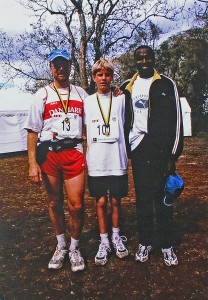
 

???????????????????????????????


Exactly as expected, it was the Kenyan runners who drew the most attention among the first to cross the line. For them, it was also an exhibition window, an opportunity to attract the attention of managers, sponsors and the media. Although the only prizes were running shoes, T-shirts and a medal, they fought desperately to be seen. The winner was Nairobi Suleiman Kihagi, who ran his first marathon with a time of 2:25:01. Right on his heels was the more experienced John Miaka at 2:25:42. He was one of the runners from Wilson Kipteker’s childhood village, and he had won the Madrid Marathon six months earlier. The first woman to cross the line was Ruth Kalunba with a time of 2:58:08.


Not all the locals crossed the line legitimately, though. The number two male half-marathon runner received a prize of a pair of running shoes. This was certainly a pricey gift for him. Shortly afterwards, the next runner crossed the line and complained that the man in front of him had cheated by taking the bus part of the way. The problem was that the runner and the very expensive shoes had disappeared into thin air. The same happened when the second woman half-marathon runner came in. She too was accused of having taken the bus. She didn’t manage to get away, though, and flatly denied having broken the rules. But because many people had witnessed her bus ride she left in shame.
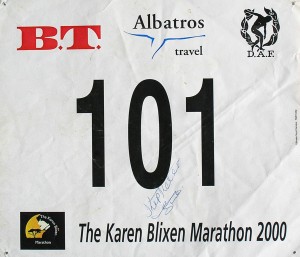
 

???????????????????????????????


We Danish runners were categorised in a class of our own. A ferocious battle had played out between Lars Bak from Roskilde and debutant Jørn Pedersen from Kalundborg. Lars came out the winner of the duel with a time of 3:48:09, just three seconds ahead of his contender. Lars had also run in the first Great Wall Marathon, and we had been playmates as kids. Unfortunately, this was the last time I would run together with Lars because he was killed in a tragic, absurd traffic accident a few years later. But I subsequently ran with Jørn on several occasions. His victory gave Jørn 1,000 Danish kroner from a bet over whether he could complete the run at all. The man in third place generously gave his prize, a pair of Puma shoes, to a Kenyan runner he felt had more use for them than he.


The first woman to cross the line was Susanne Bruun with a time of 4:43, 09. There were only two Danish half-marathon runners. They were thus declared the winners among the women and men respectively. They were Rikke Skov Jensen and my own son Steffen Brandt.


We were particularly glad when Kim Tang Veje crossed the line second to last. It was the third time he had started a marathon and the first time that he completed. His two failed attempts had both been on The Great Wall Marathon. In all, 18 men and seven women from Denmark completed the full marathon.


Gala dinner with exotic dishes


After such a hard day, we simply needed to relax, but there was no time for that. There was just enough time to get back and take a shower before we had to set off again to a very posh gala dinner with a magnificent stage show at a classy hotel. Unfortunately, I didn’t have much of an appetite. There were many exotic dishes on the table, such as zebra, crocodile and antelope in addition to the usual chicken, beef, lamb, pork and much more. But I was tired and wanted neither food nor wine, although I did taste a bite of most things. The only thing I was really able to enjoy was a cold beer and a cup of coffee.


Of course there were speeches at the gala dinner, and tribute was paid to various people for their performances – big and small. Steffen was also called up on stage and awarded a BT divers watch, and it was announced that The Karen Blixen Marathon would be run again on 4th November the next year and that the running committee had been extended to include Wilson Kipketer. It was not to be, however. The race was officially announced but had to be cancelled because not enough people signed up. So The Karen Blixen Marathon was never repeated which is a real shame because the run and the trip were both fantastic.


Subsequently, The Great Safari Marathon in Hell’s Gate, Kenya, was also announced to be run on 9th November 2002, but that too came to nothing, for what reason I don’t know. That’s the way it goes when people think creative thoughts. Not everything is realised and over the years I have heard of other destinations that got nowhere. Among others, a run around Victoria Falls was on the drawing board at one stage. Runners were to cross the border between Zimbabwe and Zambia through fabulous countryside. It got no further than a wonderful idea, though. Runs in New Guinea and India have also been planned but came to nothing. However, The Great Safari Marathon is the only one that was ever published then subsequently abandoned.


This time as well, Danish Broadcasting (DR) had a team covering the event, and this resulted in three-and-a-half minute broadcast in the Sunday sports programme. BT as well published a smashing little extra newspaper.


After the gala dinner, we got home at around midnight, and I then had to pack our suitcases because we were to leave the next morning at 6 a.m.


Lake Nakuru National Park
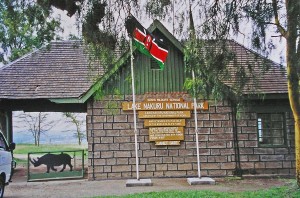
 

???????????????????????????????


We spent all Monday morning in minibuses. It was the day after the marathon, and I felt pretty worn out, having not slept long. Fortunately, I was able to take forty winks in the minibus, which helped a bit. The original plan was that we should visit Amboseli National Park, but the drought had transformed the park into a desert with no animals. So the final part of our journey was to see Lake Nakuru National Park in Rift Valley Province, 140 kilometres north-west of Nairobi.
 

???????????????????????????????


On our arrival at the National Park, we were shown to our quarters at the attractive Lake Nakuru Lodge, in beautiful surroundings with a fantastic view of the savannah. Here baboons get very close to the hotel guests, and you have to watch out for those little beasts because they can be pretty aggressive. Leopards approach the Lodge at night, and you may even hear the roar of a lion after dark.
 

???????????????????????????????


We were shown to our rooms and given a good lunch. We unpacked some of our things before meeting up with our group in the middle of the afternoon. Søren Rasmussen of Albatros Travel briefed us about the savannah, the place and its wildlife. He is a trained biologist and a living lexicon packed with knowledge.
 

???????????????????????????????


Lake Nakuru National Park is not a park as we know them in Europe. It is not a neatly trimmed area minded by gardeners. Nature rules here on its own premises. The 18,000 ha park is fenced in all the way around. Only a few national parks in Kenya are completely fenced in, but this one is for a variety of practical reasons because it is in the middle of an inhabited area. Before the fence went up, there was for ever conflict between the animals and local peasants. The fence also makes life difficult for poachers. The rhinoceros is one of the most endangered animals in the area purely because of its horns. Poachers kill the animal, saw off the horns and leave the body to rot. The horns of the rhinoceros can fetch a street price up to 180,000 US dollars. Although the park is encircled, the fence does not hinder the passage of gazelles, apes and leopards; and birds, of course, have their freedom. The decision was taken to keep elephants out of the park because it is too small. An elephant population needs a lot of space – much more than the park can provide. The elephants’ daily food requirement would make short work of the park’s vegetation and devastate its trees.
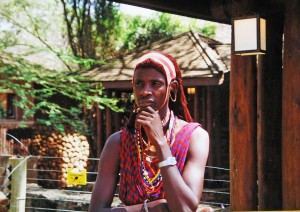
 

???????????????????????????????


The park is kept well under control, with park officers driving round in the area making sure that nobody is there without a ticket and that no one leaves their cars or otherwise breaks the park rules.
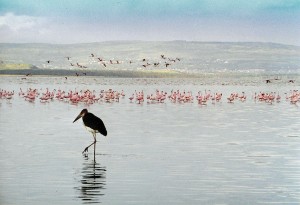
 

???????????????????????????????


We spent the afternoon on safari, and it was tremendously exciting. We saw, among others, zebra, antelope, rhinoceros, monkeys, giraffe, various birds, lion, leopard, cheetah, ostrich, pelican, gazelle, gnu, warthog and buffalo. The most impressive thing, however, was looking out over the banks of the lake. It was pink as far as the eye could see. Up to several million flamingos could gather here at any one time, Søren told us.


After getting home and having eaten, we were entertained with songs and dance by local artists.


We were up early Tuesday morning; this time to go on early morning Safari. We saw the same animals as the day before, but it was an entirely different experience to see them through the morning mist. It was also funny to discover that the nights and early mornings were so cool that we had to wear long trousers and sweatshirts.
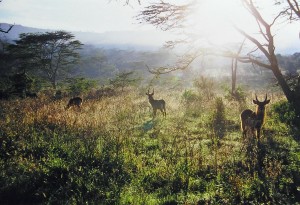
 

???????????????????????????????


Later that same day, we were driven to the top of the park’s highest mountain, where we got the most spectacular view of the lake and its surrounding areas of green. At this point in time, this park was perhaps the greenest place in Kenya. On a rock face on the mountain, we saw rock hyrax at extremely close quarters.


On our way back to the lodge, we saw a fish eagle snatch a flamingo on the lake. The eagle began eating the flamingo while it was still alive; it’s head was bobbing up and down while the eagle held it down with his sharp claws, pecking chunks of meat off the bird with its beak. After a while, the eagle pecked out the flamingo’s eyes and tore off its head while its legs were still kicking. This was quite a lesson in a harsh though very exciting natural world.
 

???????????????????????????????


We went on another early morning Safari the following day, which was fascinating even though we didn’t see quite as many animals as on the previous day. The morning mist, the vegetation and wildlife, and not least the smell of savannah plants were an experience in itself. There were just as many flamingos on the lake as on previous days, but this time, not all of them had gathered at the banks. Instead, they were spread out all over the lake. There were also lots of pelicans; and in the middle of it all at the water’s edge, stood a water buck. After a couple of hours on Safari, we were back at Lake Nakuru Lodge for breakfast, before we packed our suitcases for the last time and left the park after a few eventful days.


Homeward bound


On the journey back to Nairobi, we stopped off at Lake Elementaita Lodge. This place was also incredibly beautiful and idyllic, with a view over the savannah, lake and mountains. We spent five hours at the lodge and had the opportunity to go for a walk in the beautiful countryside, enjoy the swimming pool, ride in an ox drawn cart, ride horses or have a look at an ostrich farm. We also enjoyed a wonderful picnic, with the entire lunch set up and moved out onto the lawn. There stood the chef, roasting chicken and lamb, which was served with spaghetti and other hot dishes along with salads and a variety of deserts.


After lunch, a lot of people were interested in watching CNN because they wanted to see the result of the US presidential elections. But there was no final result yet. Some 98% of the votes had been counted, with 49% to Al Gore and 48% to George Bush. We, therefore, had to wait for the result until later. And as it turned out, this was much later. In fact, it took more than a month for the US Supreme Court to determine that the candidate with the fewest votes was to be the victor. Democracy has many interpretations.


The trip home was a long one, waiting as we did, first at Nairobi airport and then in transit in Amsterdam before reaching Copenhagen on the morning of Thursday 9th November. We came home to a country in mourning, and a funeral was soon to take place in our home town. The Queen Mother, Queen Ingrid, had died during our trip to Africa.


The Karen Blixen Marathon and the trip to Kenya had been fantastic, and what one could truly call an active holiday. It was a trip I will never forget and will remember with pleasure. If I had had a bit of a bad conscience about taking the kids out of school before we left, it was all gone now. My lads could easily manage to miss out on a week’s ordinary teaching. What they had learned about Africa during that week they would never have learned in ten years in a Danish municipal school.


Buy the book here.
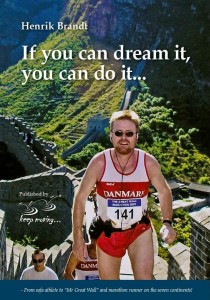
 

Engelsk forside

Billede 323

Ultra Marathon Bornholm 2000

April 1 2015

Having completed one marathon and two extreme marathons within a year, you might think there was nothing more to go for. I don’t know what I thought about that back in 2000. Now I know that there is no upper limit for what people can pull off in the marathon and triathlon. My performances in life are trifles compared to so many others, though nothing can really be described as a trifle when you’re talking about running. We all have our own physical and mental limits. Our individual performances in our sport are unique and do not tolerate comparison with others. My next run would turn out to be one of a calibre I had never expected.


IMG_0818


At the gala in China, I had coaxed the Bornholmer Ingvor into giving me a folder, and when I later had the opportunity to read it properly, I found that it was about the Ultra Marathon Bornholm. This was the very same marathon Peter Fredberg had told me about while we were emptying our bladders in the Chinese field. My first reaction was to shake my head, but the seed had been sown and the folder was always lying where I could see it on my desk at home.


I didn’t necessarily have to run the 100 kilometres, because the marathon distance was an alternative. But I gradually became more and more enthusiastic, and there was no way I could “make do” with the marathon. If I were going to participate, I had to “go” the whole way.


I told my sister about the run and my intention to run it. She had lived on Bornholm for a few years but had moved back to Zealand 14 years previously. She thought it sounded like an exciting run though she was not a runner herself, but she would like to see the rocky island again and offered to come along. That meant that we could make a family trip of it with my boys and my niece. My sister had been in the Air Force and still had colleagues on Bornholm. For a symbolic amount, she managed to rent two rooms at the Air Force base for the weekend of the run.


On Friday 1st September, we left for Bornholm. We were going to take the Sound Link for the first time, two months after it had opened. We drove from Amager south of Copenhagen to Skåne in Sweden through the tunnel and over the bridge and then on to Ystad, where we took the catamaran ferry to Bornholm. It really was a brave new world getting to Bornholm so quickly. The ferry crossing took only an hour and 20 minutes, whereas, in the old days, you sailed all night from Copenhagen to Rønne.


We had Saturday to ourselves and spent the day as tourists on the island, which neither of us had visited for years. We returned to many of the places we used to know, but it was rather odd driving round the sunshine island outside the holiday season. There were practically no people, and we had the roads more or less to ourselves. Naturally enough, lunch consisted of smoked herrings, a Bornholm speciality, from one of the island’s many smokehouses, and we ate supper at a restaurant on the square in Rønne. Here it was even more obvious how deserted the island was at this time of year. The square was empty, and even the kiosk was closed, although it was only 9 p.m. But we couldn’t paint the town red that evening and soon left for the Air Force base at Årsbølle and went to bed in one of the barracks.


The run was on 3rd September and was organised by the SÅN Runners, an amalgamation of clubs from Svaneke, Årsdale and Nexø. I think it must have been the wettest day of the year on Bornholm. I awoke in the middle of the night to the sound of thunder so loud it seemed impossible. Through the window, I could see the horizon almost completely illuminated by the lightning flashing away out there in the distance. I just hoped things would calm down by the morning. I managed to get a bit more sleep, but the thunder reminded me constantly what the weather was like.


The run was to start from the square in Nexø at 8 a.m., and we drove off to get there in good time. Now the rain was only very light, and I had faith in the worst now being over. When we arrived, it had stopped raining, but it was a bit chilly because of the wind. Windproof clothing made it bearable, but as it turned out this was silence before the storm because, by the time the starting gun was due to go off, Our Lord had reopened the sluice gates. The run was started officially by the town’s mayor, though it was unlikely that anyone heard him through all the rain and wind, which completely drowned out anything coming from the loudspeakers. We were soaked through even before we set off. Fortunately, things cleared up from time to time, and it didn’t rain all day.


IMG_0808


The rocky island is quite hilly, so my strategy was to walk up the worst ascents and try to run on the other sections. I wasn’t able to stick to this strategy throughout the day but generally managed to do so.


For the first part of the race, I ran with Peter Fredberg, but gradually he was too fast for me. He told me I shouldn’t take the 13-hour time limit too seriously. He was sure the organisers would wait for the last arrivals and recognise their performance even if they came in after the marathon was officially over. But this bit of information was no use to me whatsoever! My stubbornness and sense of fairness didn’t permit me to finish on dispensation and be recognised on the basis of leniency and grace. All that counted for me was to finish within the official time limit.


Billede 323


At around midday, there was a proper downpour, so I was thoroughly soaked when I arrived at Hammershus, which is Northern Europe’s largest medieval castle ruin and the finish for the marathon runners. It was here it occurred to me that what Peter had said was perfectly true when he told me a few months earlier that it wasn’t your legs that counted but your mind. It would be quite wrong to say that I wasn’t tired, but despite the hilly terrain and the rain I felt surprisingly fresh. My brain was programmed to run 100 kilometres that day, so for me, this was a subsidiary goal, and I wasn’t even half way. So I couldn’t really be tired yet! I have since become very much aware of this mechanism. Whether it’s ten kilometres or a full marathon I’m running, it’s the final stretch that “pulls your teeth out”.


The family was waiting for me at Hammershus, so I ate a few slices of rye bread and changed my sopping wet clothes and running shoes so that I could run on dry. At that point, the weather was good; it was dry and the sun was shining, so the change was welcome. Nothing lasts forever, though, and it didn’t stay dry for long. When I later reached Hasle there was another heavy downpour, although that was more or less the last one.


When I passed the 70 kilometre mark, I was pretty tired and could feel that I had not spent a day at the office. They were kilometre signs and water stations every five kilometres and at kilometre 75, I accepted the offer of a leg and calf massage. At that point, I was accompanied by a cyclist from the club organising the run whose job it was to keep tabs on the rear guard. He gave me some good moral support by telling me that I wasn’t last. Behind me was a racing walker. The racing walker had walked the 100 kilometres many times and always made it within the time limit. This gave me confidence and faith in myself. As long as I had him behind me I would get through. However, despite this conviction my inner “computer” was running all the time. I was very aware of my time and how much I had left before the deadline. I had to keep on checking that I was in a position to achieve my goal.


Billede 091


When I arrived at kilometre 80, I was again offered a massage. I accepted the offer this time as well, but at kilometre 85 I declined. Not because I didn’t need it but out of respect for the time limits I needed to maintain.


After 90 kilometres, I experienced a terrible downer. While I was standing there drinking water I saw the racing walker pass me by at a rate of knots. He simply kept walking without a break, his wife following him on a bike making sure he had enough to eat and drink along the way. It was quite a snack to be passed by and thus take up the rear. My collateral had vanished, and I felt abandoned and had to fight extra hard after this. Having run 90 kilometres in just over half a day, I didn’t have that many mental resources left. I felt tempted to break down and cry as I saw my “lifeline” fading out of sight on the horizon.


When I arrived at the next water station, I had got over being overtaken, although I was very aware of my timing and aware that there was not much to spare. As I stood there I suddenly felt dizzy, as though I was swaying back and forth. It was one thing that I didn’t feel right, but something else entirely that I didn’t want that to be discovered by the people around me. It would have been almost unbearable to have been running for half a day and reach 95 kilometres only to be taken out of the race. I hastened to drink up and continue and when I got going I no longer felt dizzy.


Before long I would be back in Nexø, where it had all begun. It was now completely dark, but it hadn’t rained for some time. I was full of optimism and realised that my mission was about to be a success.


It goes without saying that I have no idea how the winner was received. But I was received as though I had been the winner of the day. And that’s the way it also felt to me. It really was a great victory to get through this extreme day and complete the run within the set time limit. My time was 12:51:17, which was just nine minutes from the time limit. At the finish stood my family and a group of people that must’ve been from the organising club. Everybody cheered, clapped and shouted my name as I used up what strength I had left to struggle over the finishing line.


Maal


I had absolutely no energy after that. When I stopped, I began to feel the cold as though it was the coldest winter day in a Polar region. And I was wrapped in blankets, but that didn’t help a bit; I just stood there, my teeth chattering like mad.


By the time we had picked up our things at the Air Force base it was too late to catch the last ferry to Ystad, so we decided to take the good old route between Rønne and Copenhagen with the ferry M/F Poul Anker. As we sat at the ferry terminal in the car, my sister pulled out a bottle of whisky and asked if I needed a pick-me-up. I quite honestly thought I deserved it and said yes please. She poured me a very small amount in a shot glass. I swilled down the golden drops, which had an immediate effect. I remember nothing about it myself but the family has never refrained from telling people about it. It is said that I immediately lost the power of speech and that my gait on the ship’s deck was even crazier than on the square in Nexø.


You might think that I slept really well that night. But that was not the case. I was restless throughout my body and went to the lavatory several times, each of which was a struggle for my tender, aching body.


Buy the book here.


Engelsk forside