


One would think it would take ages to recover from a run all the way round Bornholm, but there was no time for that because I had already signed up for a marathon in November long before I had even heard of the 100 kilometre run on the rocky island.
The organiser trio, the Danish Athletics Federation, Albatros Travel and the tabloid BT had announced after the gala at the first Great Wall Marathon that there would be yet another marathon on the Wall. But they hadn’t exactly been taking things easy and had immediately started looking at other other new spectacular destinations with an extreme marathon included.
On 18th April 2000, the participants in the first Great Wall Marathon received a letter with the heading “Pre-publication of The Karen Blixen Marathon”. We were thus able to sign up for the marathon before anyone else, because the event was not to be published until Easter Monday in BT.
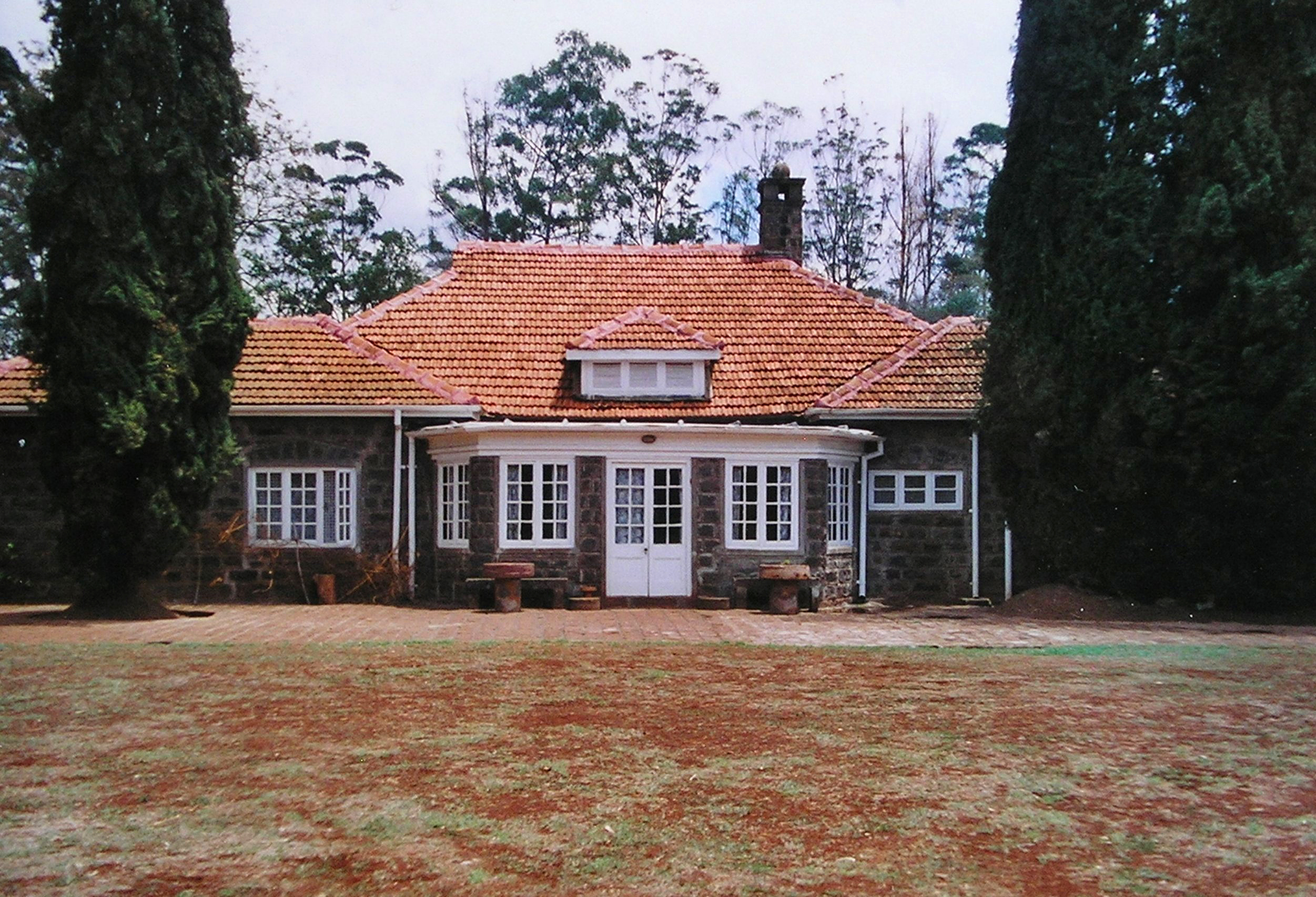
The famous Danish author Baroness Karen Blixen emigrated in 1914 to British East Africa, where she lived until 1931. In the meantime, the country had changed its name to Kenya. Karen Blixen invested her family’s money in a coffee plantation under the name Karen Coffee Co Ltd. and was then able to live the free life she had always dreamed of. Karen Blixen’s farm lay at the top of the Ngong Hills and was immortalised in her book “Out of Africa”. The world got to know the farm from the 1985 blockbuster of the same name starring Meryl Streep and Robert Redford. In the wake of the success, the farm was converted into a museum and is today one of Nairobi’s greatest attractions. Karen Blixen’s farm was to be the destination for this fantastic marathon.
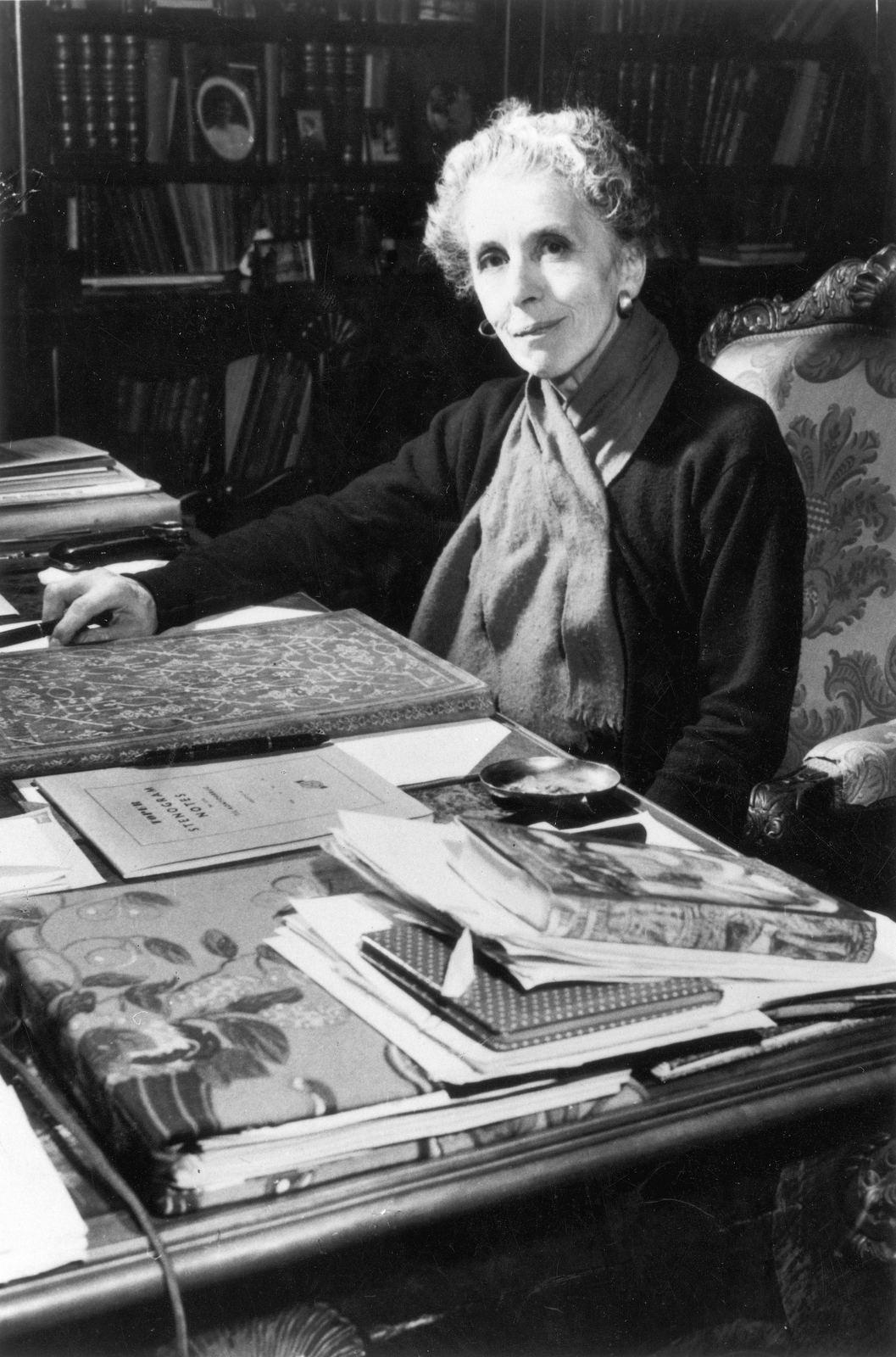
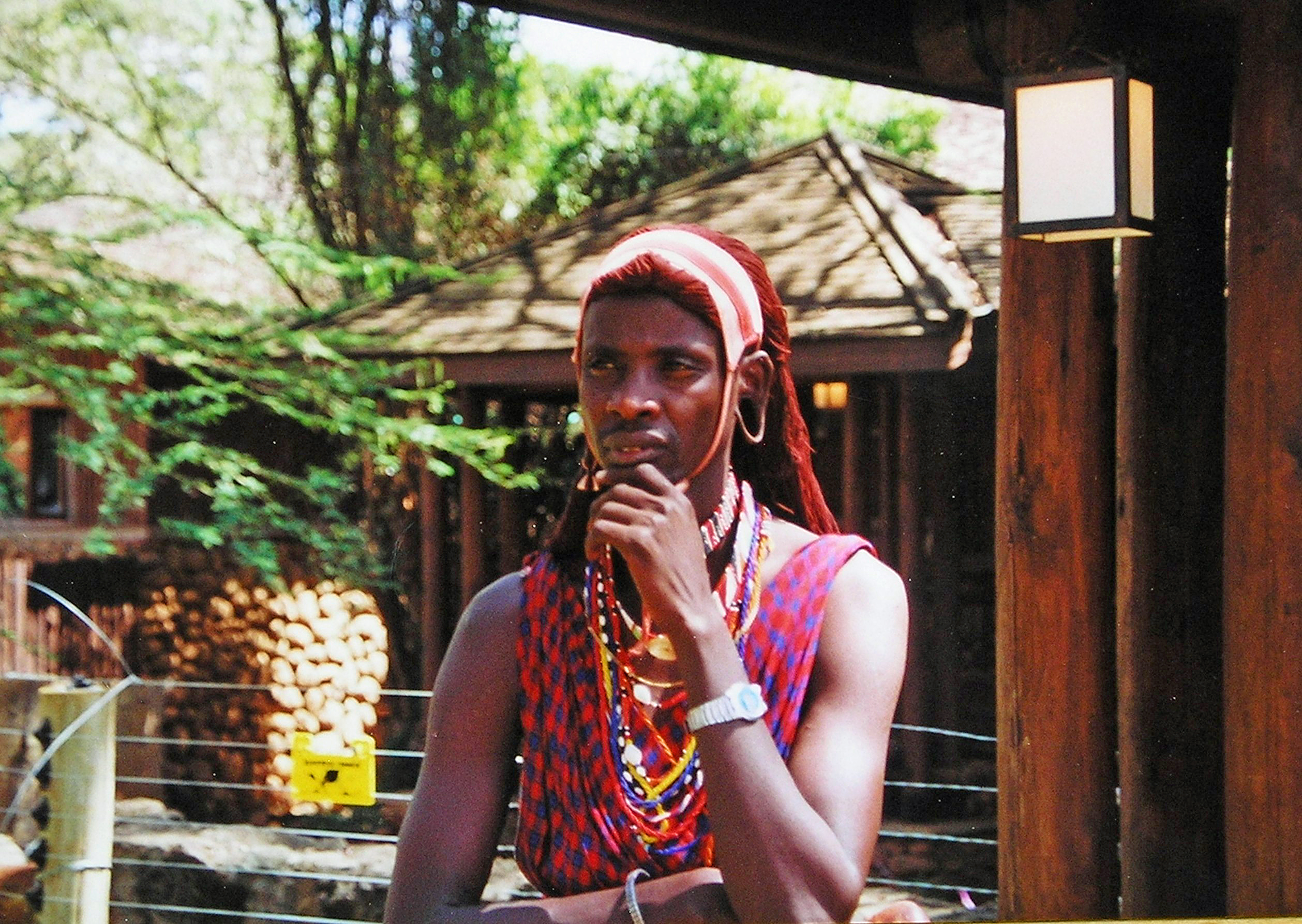
The run was described as a unique route starting at the top of Ngong Hills and continuing down the massive East African Great Rift Valley, which is typical of semi-arid savannah with acacia trees, antelopes and colourful, proud Maasai. After this, the route swung back up over the Ngong through the luscious suburb of Karen, to end at the farm itself. The marathon was to be run at an average height of between 1600-1800 metres above sea level. There were a few relatively difficult ascents and downhill stretches, but the route was not described as being of the same calibre as its Chinese “sister” marathon.
I was in no doubt that I would participate in this trip and take part in this fantastic run, and because it was important to book early I did so already in the spring. My sister was also thrilled when she heard about the trip and wanted to come along as a spectator. But eventually, she had second thoughts, so I decided to take the boys with me on this trip too. I booked the trip just a few days before we left for China in 2000, so there we were with two big journeys ahead of us within six months.
Vaccinations a challenge in themselves
Travel in Africa is not without risk for Europeans. Various diseases and especially bites by a malaria-bearing mosquito can ruin both the trip and your health – and be potentially fatal. The organisers recommended that we arranged for the necessary vaccinations, and we were advised to seek information, good advice and guidance from our own general practitioner, although we could also contact the marathon’s surgeon at the Travel Clinic in Ordrup, north of Copenhagen. I thought it was a good idea to spare us the trip to this clinic and therefore contacted my own doctor. This would turn out to be problematic.
Our GP would be pleased to vaccinate us; all I had to do was to find out which vaccines she needed to order. I was rather taken aback, because I had no basis on which to decide which vaccines were needed, and asked the doctor to find out for me. That got me nowhere, though. I was told that it had nothing to do with the public health insurance system. I made it clear that I would of course pay the costs and that I expected my GP to take the responsibility. “Then I am sorry to have to disappoint you,” came her answer.
The doctor gave me a phone number on which I could find out at the press of a few keys which vaccines I needed and I was pretty flabbergasted. I tried the number she had given me, but I didn’t like the situation. Then I called the Serum Institute in Copenhagen, where the lady who took the phone was extremely annoyed. Not at me, but at my doctor.
We ended up going to the clinic in Ordrup anyway to seek professional medical treatment. Karin and Mogens Rishøj really knew what they were doing. I hardly need to mention that I subsequently found a new GP.
Preparations for the journey
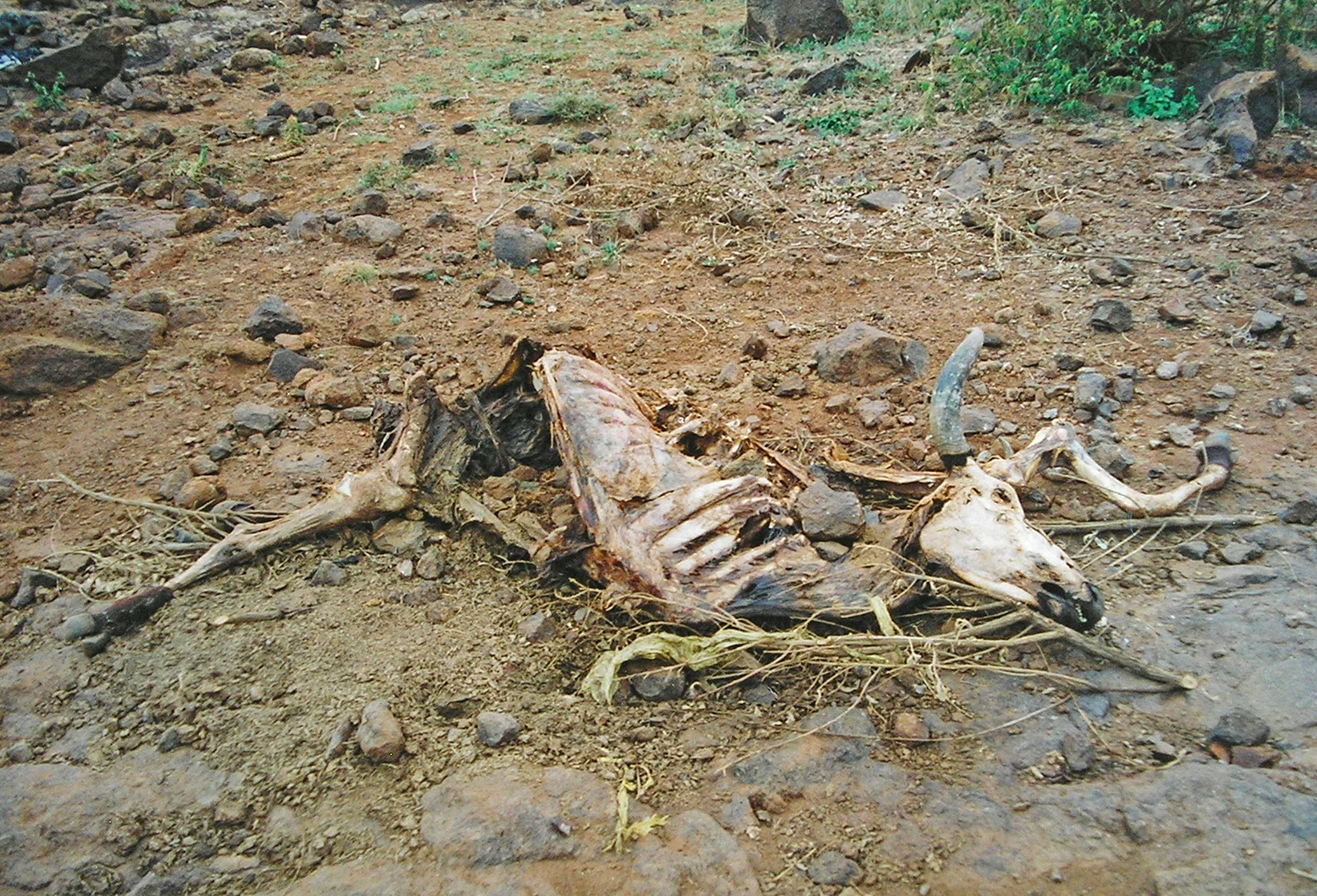
I didn’t need special training to this race. After the run in China in May, followed by the Ultra Marathon Bornholm the following September, it was “simply” a question of staying in shape. I had no possibility of training somewhere hot, but after two runs in hot weather in China I wasn’t worried. It was obvious that we might yet again be exposed to running in extreme heat. Just a month or so before we left for Kenya, we heard the country was in the grips of a severe drought which was described as catastrophic in certain areas. The drought had previously been concentrated in and around the remote and inaccessible areas but had eventually taken hold in the fertile central highlands. This naturally gave rise to considerations of both moral and practical nature about the race being run at all. The organisers did, however, continue to prepare the run according to plan because the framework for the race itself seemed to be in order.
In the run-up to the trip, we received a steady stream of valuable written information about weather, insurance, water, health, clothing, food and travel conditions, etc. We were certainly well equipped to set off on this trip.
Copenhagen – Amsterdam – Nairobi
In the middle of the afternoon on Wednesday 1st November, we met at Copenhagen Airport, oddly enough at Karen Blixen’s Café. A couple of hours later we took off with the Dutch airline KLM for Amsterdam and after a further couple of hours in transit we left for Nairobi, where we arrived at six o’clock in the morning of Thursday. It took us half an hour to get to the hotel, where morning coffee was served at the same time as an information meeting was held.
That year’s Great Wall Marathon had not had that many participants, and here they were even fewer. The marathon had only been offered to Danes, although it had been organised so that local runners could also take part. They hoped that a lot of local runners would join in, and we were warned not to try and compete with the super-fast Kenyans. That was more or less considered as a futile exercise. They assured us that special winners would be elected among the Danish runners.
This was the first trip on which a half marathon was offered, and this was so tempting to Steffen that we signed him up during the information meeting.
Wilson Kipketer
As on the other runs, celebrities had come along to attract focus to the marathon. Bettina Aller had come along again and then there was Wilson Kipketer. At that time, he was the world’s fastest at the 800 metres, with World Championships, world records and an Olympic silver for Denmark. Wilson was Kenyan but represented Denmark. He was there not to run, but as an ambassador, and he was to fire the starting pistol and hand out medals at the finishing line, as well as take part in the big gala party after the run.
Kipketer had just married his Danish girlfriend, so the trip to his homeland was the newlyweds’ honeymoon. Wilson was so popular that his presence in connection with The Karen Blixen Marathon attracted huge media attention to the race and the participating Kenyans included six runners from Wilson’s childhood village of Eldoret.
Recharging in Kenya
The days leading up to the marathon were relatively relaxed and gave me the chance to recharge my batteries for the rigours of the Sunday run.
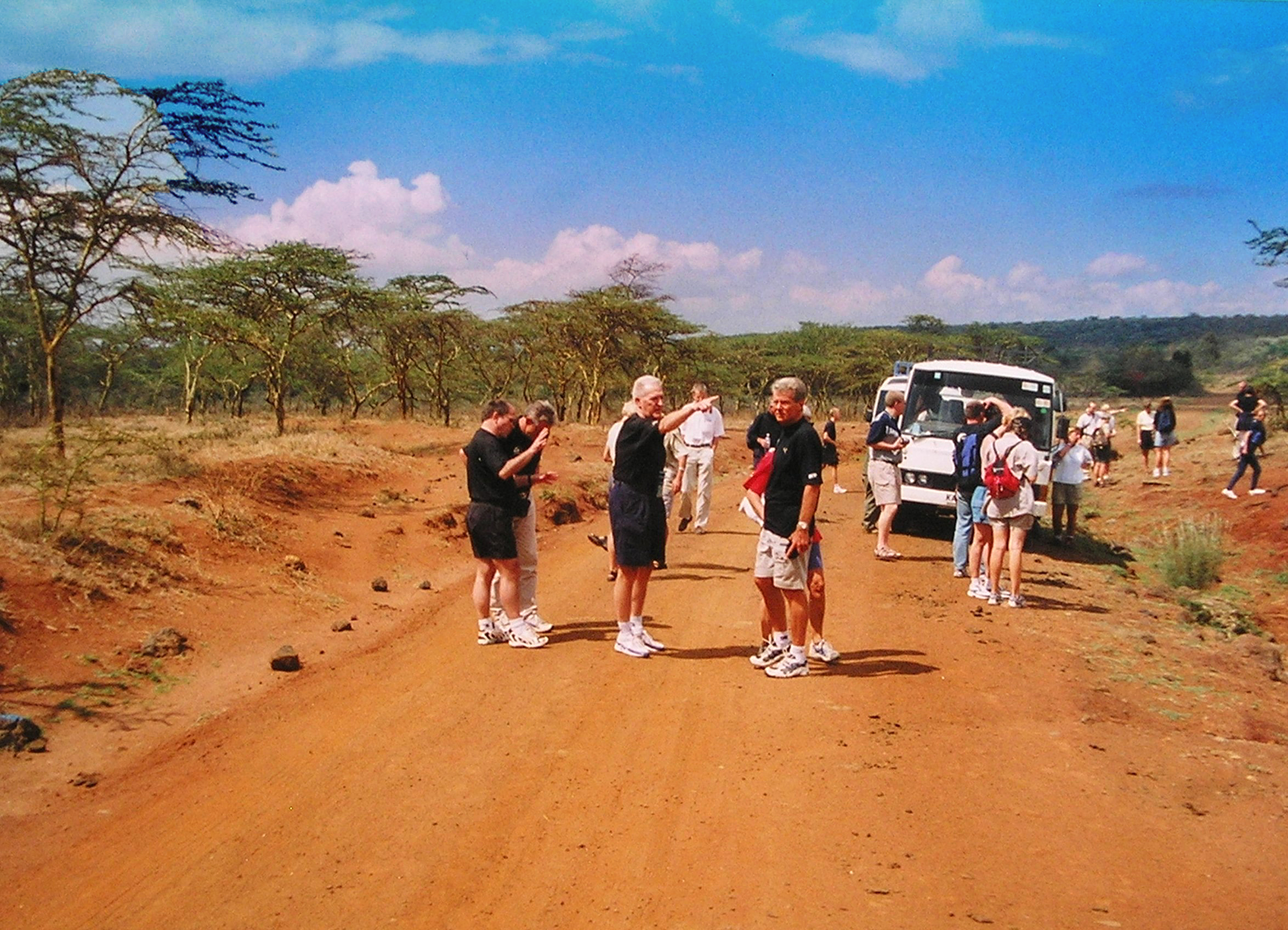
On the day before the run, there was an inspection tour of the route. I had got the impression back home that this was a so-called “normal” marathon, but here I found out it was an “extreme” of its kind. Maybe not quite in the same class as The Great Wall Marathon, but all the same. Most of the route was to be run through hilly, gravelly and dusty areas where the sun would be baking directly down on us, and to boot, in an area where one is probably closer to the Sun than anywhere else in the world.
At the finishing post, we saw Karen Blixen’s farm of course. I can promise you she left her mark on this little town. Roads, churches, hospitals and schools bear her name. I don’t think Kenyans even knew she was named Blixen. To them she was purely and simply Karen.
After lunch, we drove to a national park and saw wild animals from an open-topped car, which was fascinating. The day ended with a meeting about the run and all the technicalities, after which we had pasta for supper.
The Karen Blixen Marathon
On Sunday 5th November 2000, we set off by bus after breakfast. Being a half-marathon runner, Steffen was on another bus, while Emil came with me. We had agreed that Mie Fredberg would look after Emil while the rest of us ran.
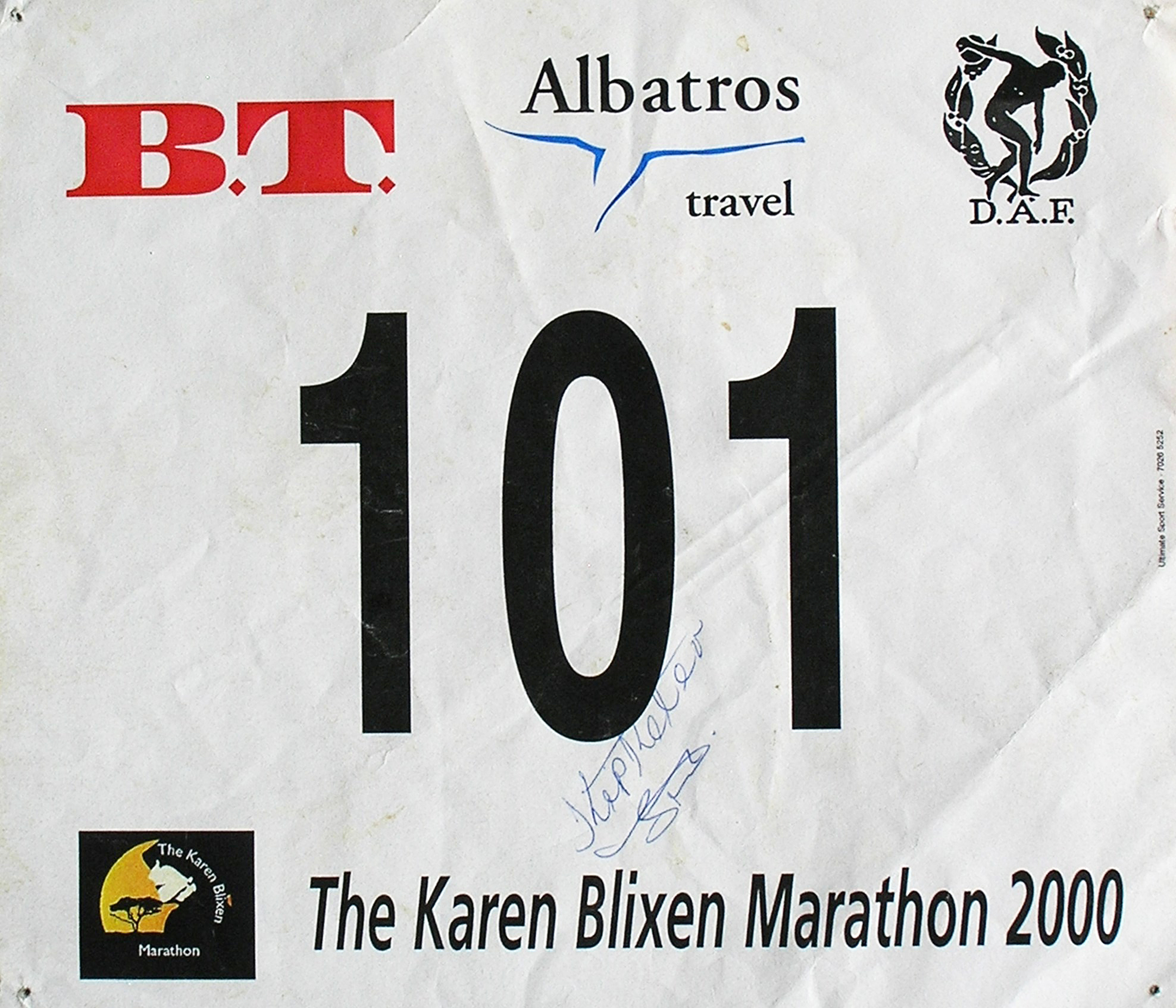
We were aware that numerous Kenyans would be running. Some had already signed up, and others were welcome. It came as a surprise to us all, though, that a very large group would be starting. We Danes were clearly outnumbered in relations to the local runners, and there were not enough start numbers to go round, so they had to be written by hand on paper.
As soon as Wilson Kipketer started the race, most of the Kenyan runners were off like a shot, while most of the Danes started at a more modest pace. I quickly became aware of the fact that the air was thinner here than anywhere else I had run. I was short of breath, something I had never experienced before.
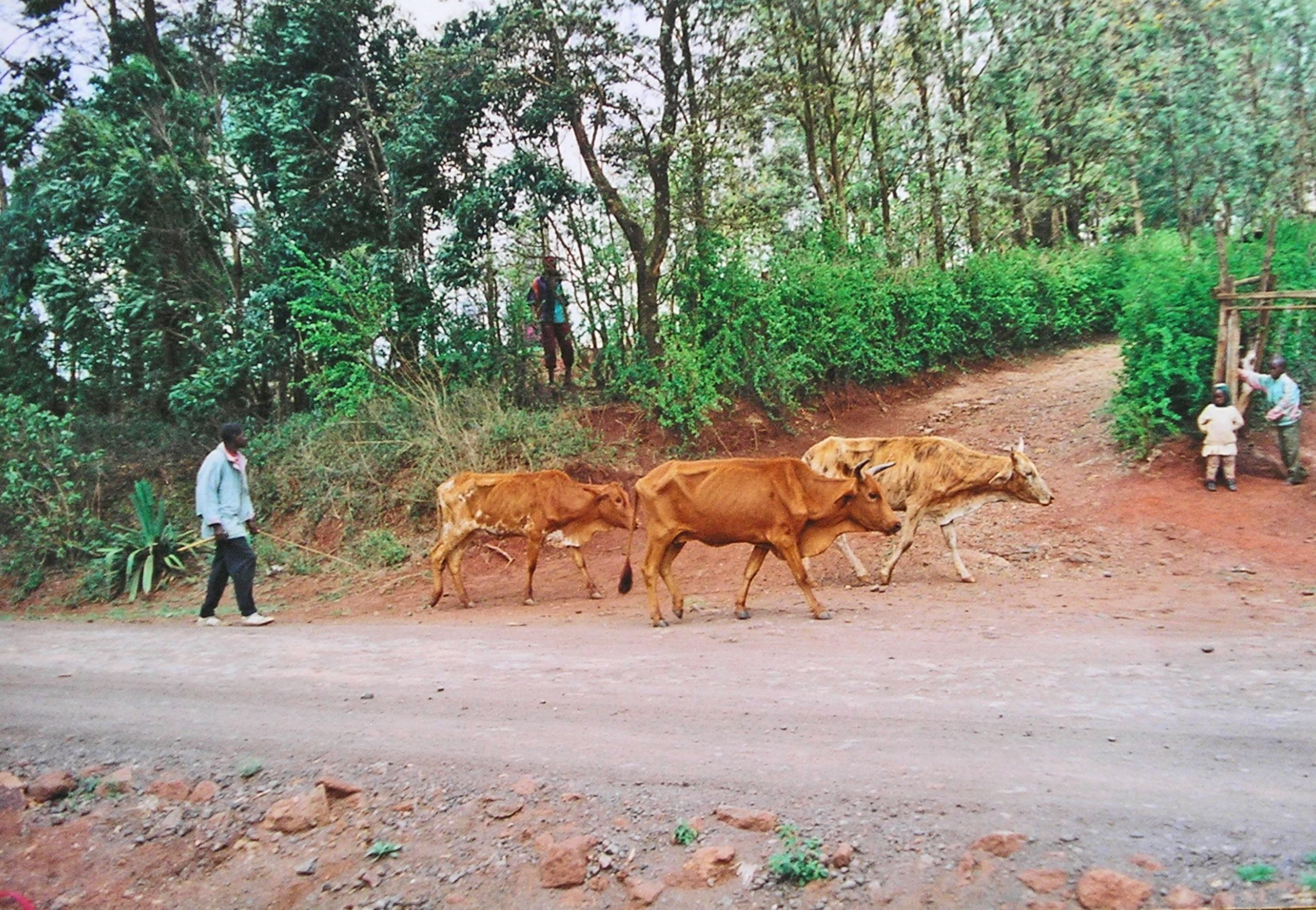
The start was at Baridi Corner in the Ngong Hills, where the road had a nice smooth coating of asphalt, and the route dropped quite steeply over the first six kilometres towards the Rift Valley. So steeply, in fact, that it was necessary to hold back.
To begin with I was a bit confused about how far I had run. Kilometre signs had been erected, as always, but it turned out that they were not to be trusted. They had been made by local craftsmen, who hadn’t fitted them to metal spikes, but to plastic piping which were quite impossible to get into the stone-hard ground. The signs had simply been laid out on the ground the day before the race and as a result, some of them were missing while others had been set out haphazardly. I was pleased, though sceptical, when I passed the four kilometre sign. Reality dawned on me when I later came across the three-kilometre signpost. I decided I couldn’t count on anything and just ran on unguided.
After a steep drop, the road turned sharp right, and the surface changed to simple gravel. For the next 17½ kilometres, the route was quite level apart from just over a kilometre’s drop to begin with and few ups and downs. It was a typical African gravel and dirt road strewn with rocks of different sizes across an area of savannah.
It was now around midday, and the sun was baking down on our bodies, which had nowhere to hide. Added to this was the problem that we had run past several abandoned water stations with no water. It was a big downer to see a water station on the horizon and then get there to find it abandoned and dried out.
Here, about half way through the run I was together with two women and we were rather sapped. Although not exactly panicking, but as time went by without water, we were getting rather concerned. Finally, a 4X4 came towards us with a Danish guide at the wheel. He stuck his head out of the window and asked if we were thirsty. Quite a superfluous question, but we were relieved when he handed us some bottles of delicious mineral water. The reason for the lack of water had been the many local runners. They were most welcome, but their number had caused complications for the organisers. Our guide had had to drive round to several supermarkets and a filling station to secure supplies of the vital drops. Steffen told me later that he and other half-marathon runners had been asked by a guide to go into a mini-market in Ngong City and take what water they needed from the cooler. The shopkeeper kept tabs on the quantity and was paid by the guide.
After running pretty much according to plan for the first 23½ kilometres, the road began to climb steeply up the Ngong Hills over a section of about two kilometres. This was the toughest bit of the run, and I and my companions had to walk – doing our best to power walk periodically. At this very point, I got the best shot in the arm I could have wished for. On the way up someone shouted from one of the support cars “Steffen has crossed the line in good shape”. My hairs rose on the back of my neck – I wasn’t half proud.
After a steep ascent, the road took us through farmland along six kilometres of uneven tarmac. At that time, I was most mostly alone, although I did have company from time to time. I began to run a bit, but now I got cramp when I ran. I had been advised not to run if I got cramp, so I walked quickly for the most of the remaining part of the run. Once in a while I did some stretching exercises and was able to run for a while afterwards.
The last 11 kilometres were along the main road, with nice level tarmac and a few gentle hills going through the suburb of Karen. Much of the road was closed off on the left to keep the runners out of the way of the traffic. When I was 500 metres from the finish, Steffen came running towards me with his medal round his neck. This was absolutely the climax of the day and I had difficulty holding back the tears. As I turned onto the home straight, Emil came running too, and I crossed the finishing line with a son in each hand – a terrific experience.
With a time of 5:28 I was able to ascertain that this marathon had been just as tough as The Great Wall Marathon. Steffen ran his half-marathon in 2:33.
At the finish, we were photographed together with Wilson Kipketer, albeit without Emil, who didn’t take to this black man. Steffen got several autographs, and we both had him sign our starting numbers.
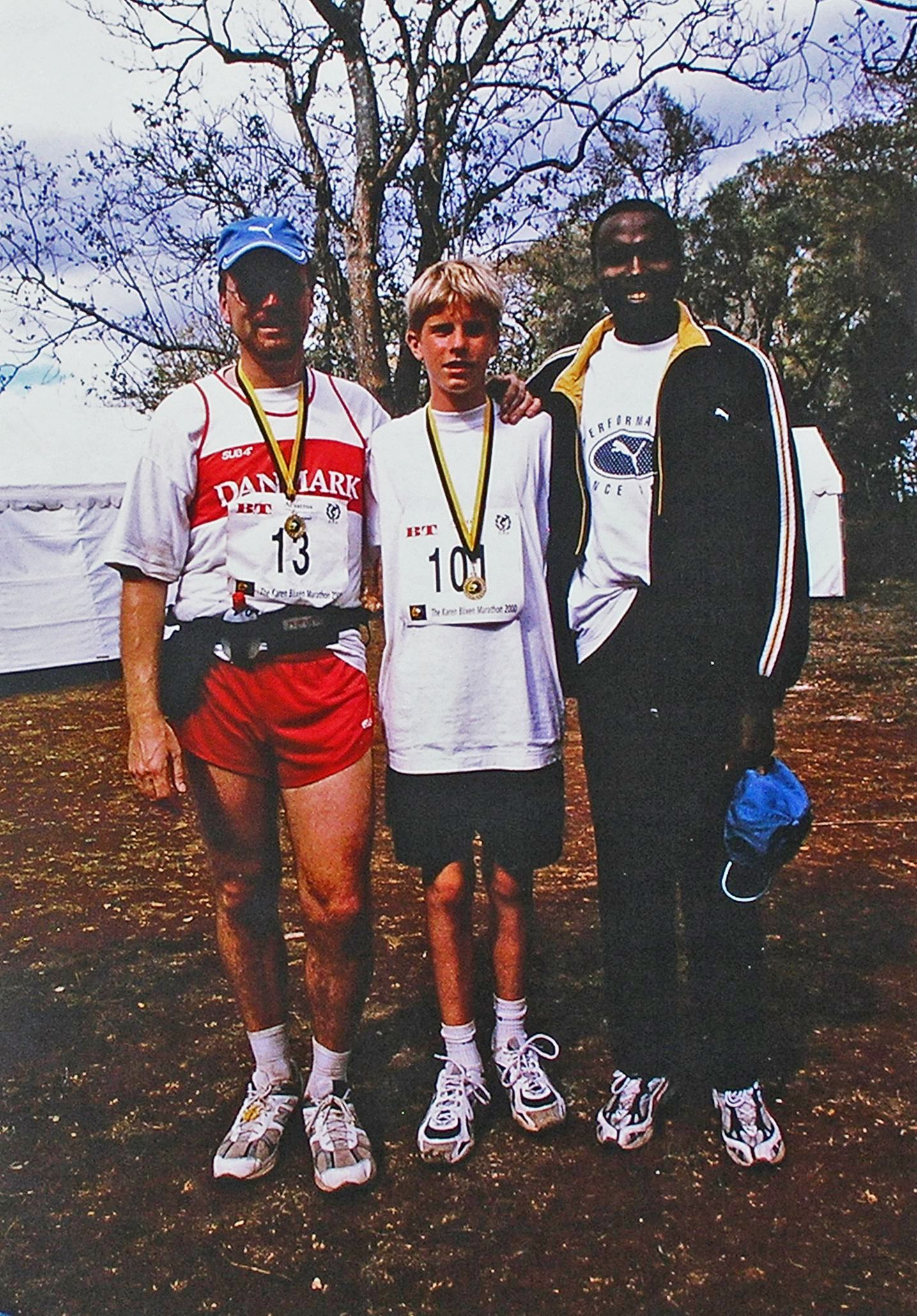
Exactly as expected, it was the Kenyan runners who drew the most attention among the first to cross the line. For them, it was also an exhibition window, an opportunity to attract the attention of managers, sponsors and the media. Although the only prizes were running shoes, T-shirts and a medal, they fought desperately to be seen. The winner was Nairobi Suleiman Kihagi, who ran his first marathon with a time of 2:25:01. Right on his heels was the more experienced John Miaka at 2:25:42. He was one of the runners from Wilson Kipteker’s childhood village, and he had won the Madrid Marathon six months earlier. The first woman to cross the line was Ruth Kalunba with a time of 2:58:08.
Not all the locals crossed the line legitimately, though. The number two male half-marathon runner received a prize of a pair of running shoes. This was certainly a pricey gift for him. Shortly afterwards, the next runner crossed the line and complained that the man in front of him had cheated by taking the bus part of the way. The problem was that the runner and the very expensive shoes had disappeared into thin air. The same happened when the second woman half-marathon runner came in. She too was accused of having taken the bus. She didn’t manage to get away, though, and flatly denied having broken the rules. But because many people had witnessed her bus ride she left in shame.
We Danish runners were categorised in a class of our own. A ferocious battle had played out between Lars Bak from Roskilde and debutant Jørn Pedersen from Kalundborg. Lars came out the winner of the duel with a time of 3:48:09, just three seconds ahead of his contender. Lars had also run in the first Great Wall Marathon, and we had been playmates as kids. Unfortunately, this was the last time I would run together with Lars because he was killed in a tragic, absurd traffic accident a few years later. But I subsequently ran with Jørn on several occasions. His victory gave Jørn 1,000 Danish kroner from a bet over whether he could complete the run at all. The man in third place generously gave his prize, a pair of Puma shoes, to a Kenyan runner he felt had more use for them than he.
The first woman to cross the line was Susanne Bruun with a time of 4:43, 09. There were only two Danish half-marathon runners. They were thus declared the winners among the women and men respectively. They were Rikke Skov Jensen and my own son Steffen Brandt.
We were particularly glad when Kim Tang Veje crossed the line second to last. It was the third time he had started a marathon and the first time that he completed. His two failed attempts had both been on The Great Wall Marathon. In all, 18 men and seven women from Denmark completed the full marathon.
Gala dinner with exotic dishes
After such a hard day, we simply needed to relax, but there was no time for that. There was just enough time to get back and take a shower before we had to set off again to a very posh gala dinner with a magnificent stage show at a classy hotel. Unfortunately, I didn’t have much of an appetite. There were many exotic dishes on the table, such as zebra, crocodile and antelope in addition to the usual chicken, beef, lamb, pork and much more. But I was tired and wanted neither food nor wine, although I did taste a bite of most things. The only thing I was really able to enjoy was a cold beer and a cup of coffee.
Of course there were speeches at the gala dinner, and tribute was paid to various people for their performances – big and small. Steffen was also called up on stage and awarded a BT divers watch, and it was announced that The Karen Blixen Marathon would be run again on 4th November the next year and that the running committee had been extended to include Wilson Kipketer. It was not to be, however. The race was officially announced but had to be cancelled because not enough people signed up. So The Karen Blixen Marathon was never repeated which is a real shame because the run and the trip were both fantastic.
Subsequently, The Great Safari Marathon in Hell’s Gate, Kenya, was also announced to be run on 9th November 2002, but that too came to nothing, for what reason I don’t know. That’s the way it goes when people think creative thoughts. Not everything is realised and over the years I have heard of other destinations that got nowhere. Among others, a run around Victoria Falls was on the drawing board at one stage. Runners were to cross the border between Zimbabwe and Zambia through fabulous countryside. It got no further than a wonderful idea, though. Runs in New Guinea and India have also been planned but came to nothing. However, The Great Safari Marathon is the only one that was ever published then subsequently abandoned.
This time as well, Danish Broadcasting (DR) had a team covering the event, and this resulted in three-and-a-half minute broadcast in the Sunday sports programme. BT as well published a smashing little extra newspaper.
After the gala dinner, we got home at around midnight, and I then had to pack our suitcases because we were to leave the next morning at 6 a.m.
Lake Nakuru National Park
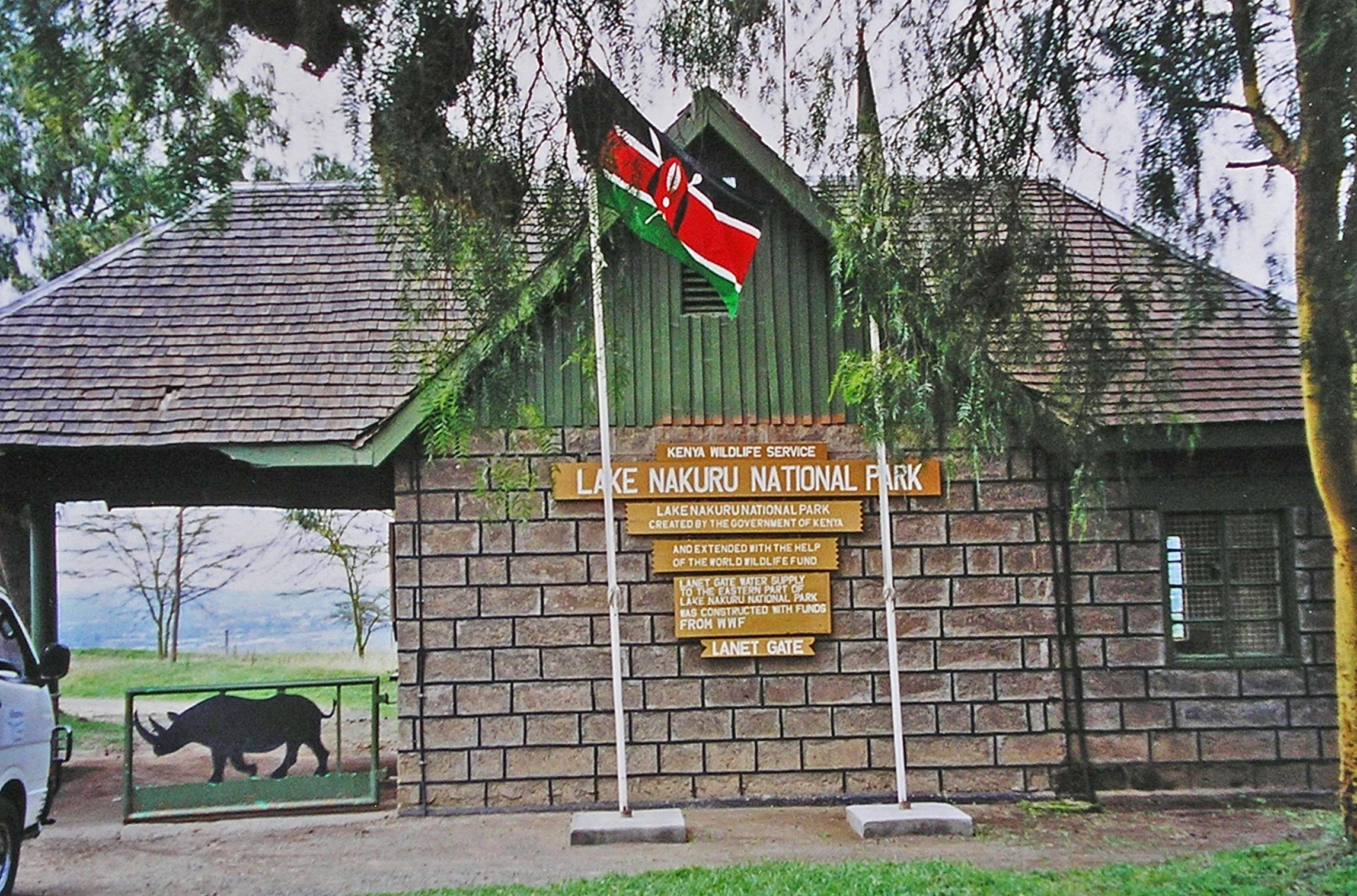
We spent all Monday morning in minibuses. It was the day after the marathon, and I felt pretty worn out, having not slept long. Fortunately, I was able to take forty winks in the minibus, which helped a bit. The original plan was that we should visit Amboseli National Park, but the drought had transformed the park into a desert with no animals. So the final part of our journey was to see Lake Nakuru National Park in Rift Valley Province, 140 kilometres north-west of Nairobi.
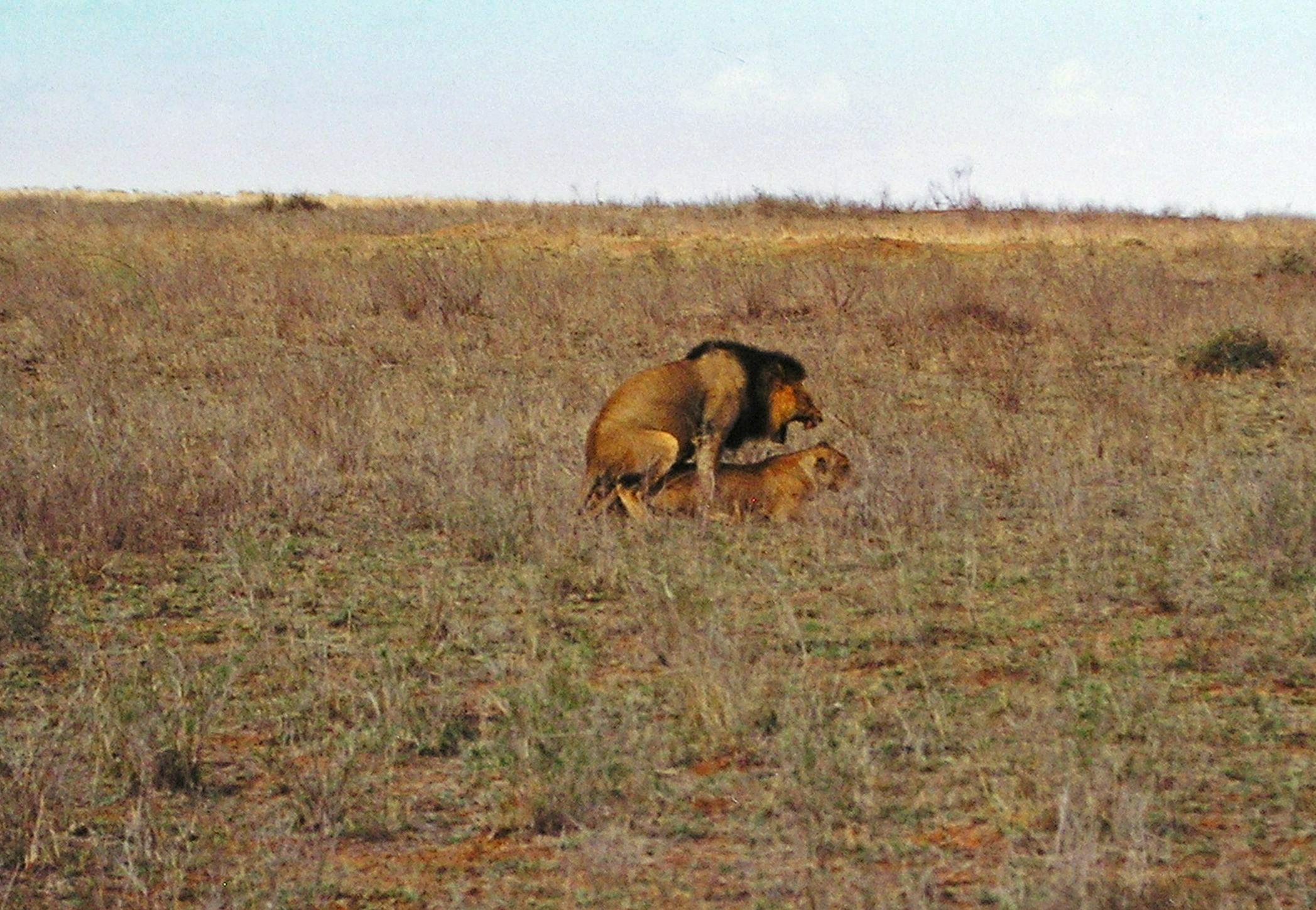
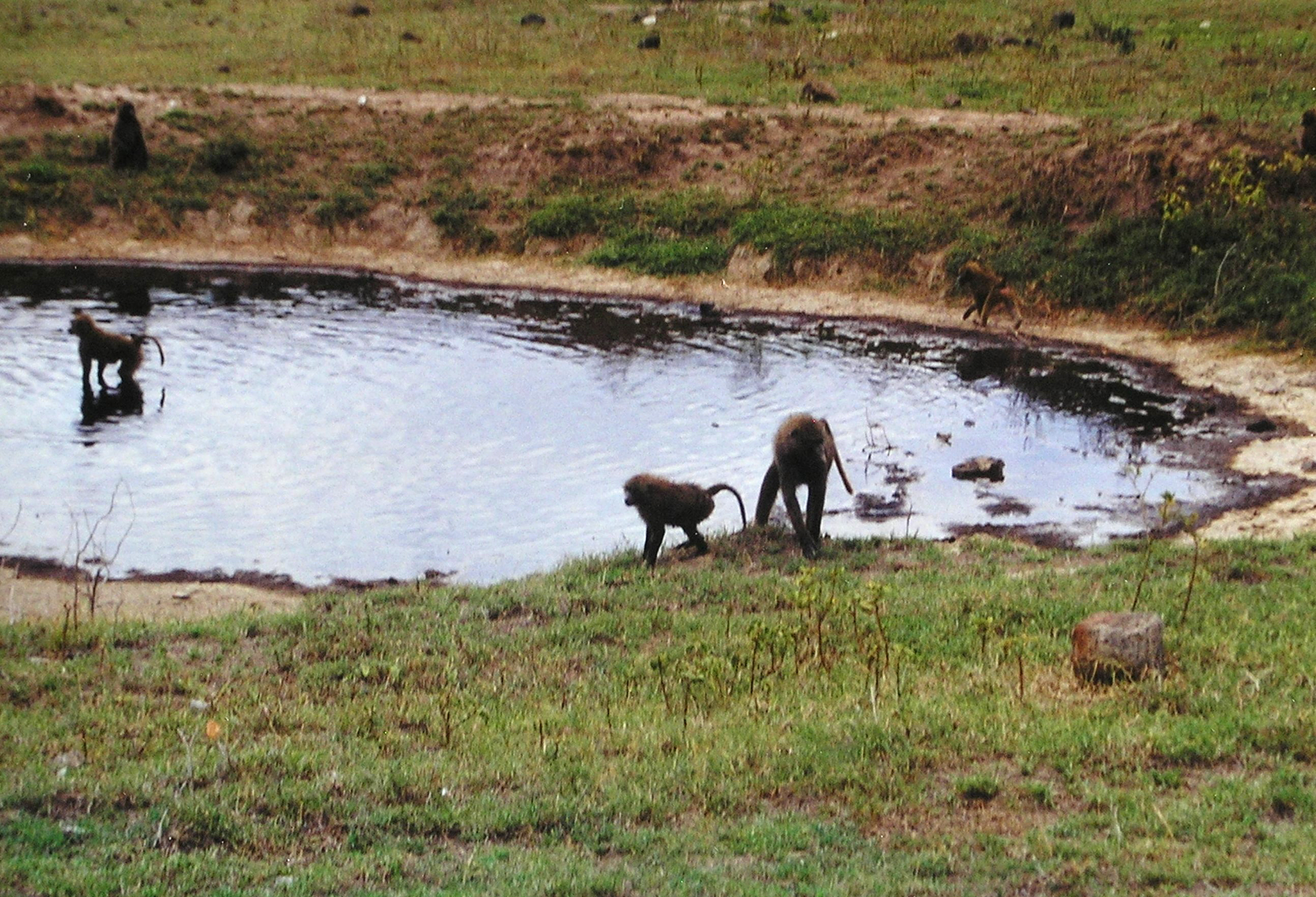
On our arrival at the National Park, we were shown to our quarters at the attractive Lake Nakuru Lodge, in beautiful surroundings with a fantastic view of the savannah. Here baboons get very close to the hotel guests, and you have to watch out for those little beasts because they can be pretty aggressive. Leopards approach the Lodge at night, and you may even hear the roar of a lion after dark.
We were shown to our rooms and given a good lunch. We unpacked some of our things before meeting up with our group in the middle of the afternoon. Søren Rasmussen of Albatros Travel briefed us about the savannah, the place and its wildlife. He is a trained biologist and a living lexicon packed with knowledge.
Lake Nakuru National Park is not a park as we know them in Europe. It is not a neatly trimmed area minded by gardeners. Nature rules here on its own premises. The 18,000 ha park is fenced in all the way around. Only a few national parks in Kenya are completely fenced in, but this one is for a variety of practical reasons because it is in the middle of an inhabited area. Before the fence went up, there was for ever conflict between the animals and local peasants. The fence also makes life difficult for poachers. The rhinoceros is one of the most endangered animals in the area purely because of its horns. Poachers kill the animal, saw off the horns and leave the body to rot. The horns of the rhinoceros can fetch a street price up to 180,000 US dollars. Although the park is encircled, the fence does not hinder the passage of gazelles, apes and leopards; and birds, of course, have their freedom. The decision was taken to keep elephants out of the park because it is too small. An elephant population needs a lot of space – much more than the park can provide. The elephants’ daily food requirement would make short work of the park’s vegetation and devastate its trees.
The park is kept well under control, with park officers driving round in the area making sure that nobody is there without a ticket and that no one leaves their cars or otherwise breaks the park rules.
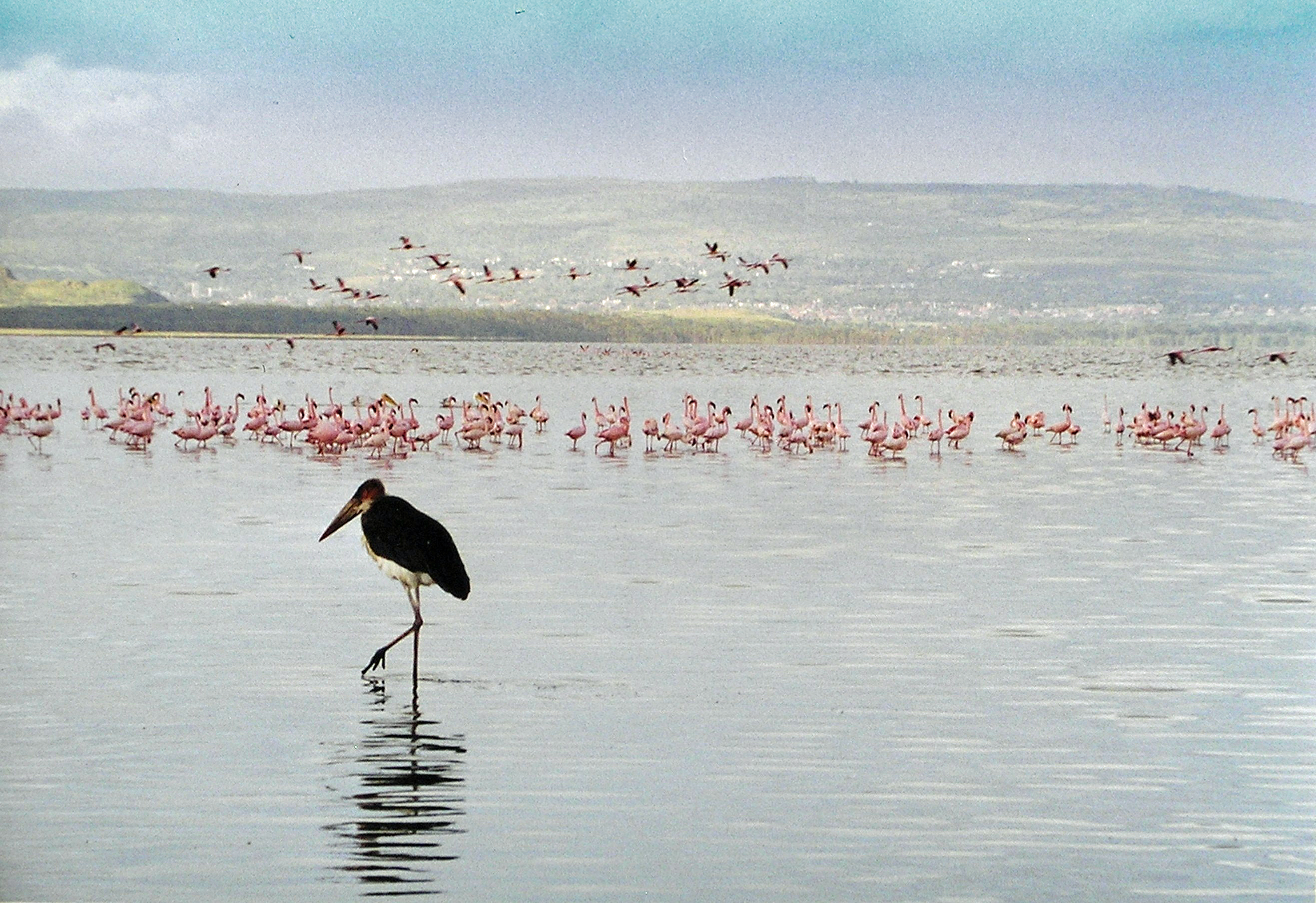
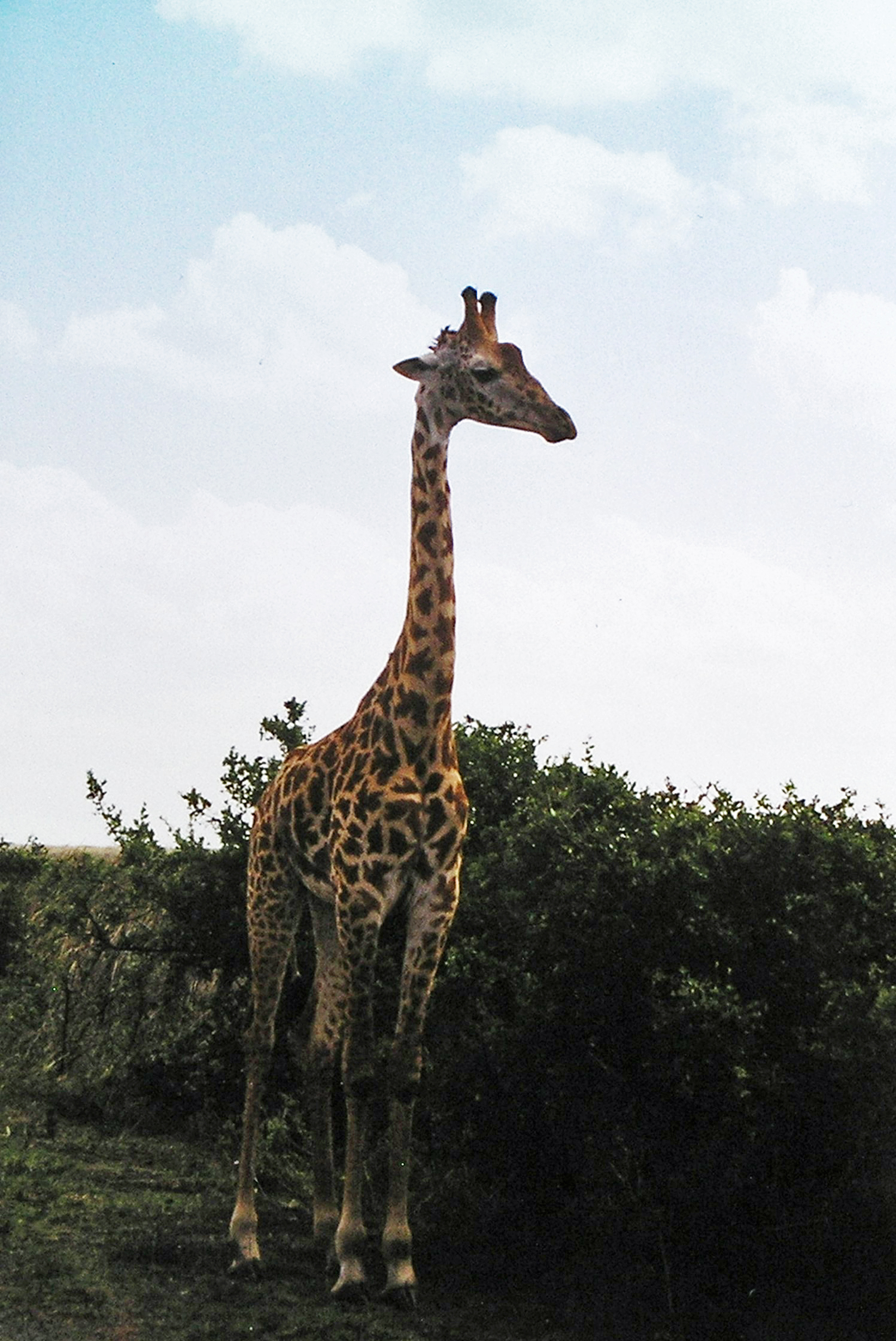
We spent the afternoon on safari, and it was tremendously exciting. We saw, among others, zebra, antelope, rhinoceros, monkeys, giraffe, various birds, lion, leopard, cheetah, ostrich, pelican, gazelle, gnu, warthog and buffalo. The most impressive thing, however, was looking out over the banks of the lake. It was pink as far as the eye could see. Up to several million flamingos could gather here at any one time, Søren told us.
After getting home and having eaten, we were entertained with songs and dance by local artists.
We were up early Tuesday morning; this time to go on early morning Safari. We saw the same animals as the day before, but it was an entirely different experience to see them through the morning mist. It was also funny to discover that the nights and early mornings were so cool that we had to wear long trousers and sweatshirts.
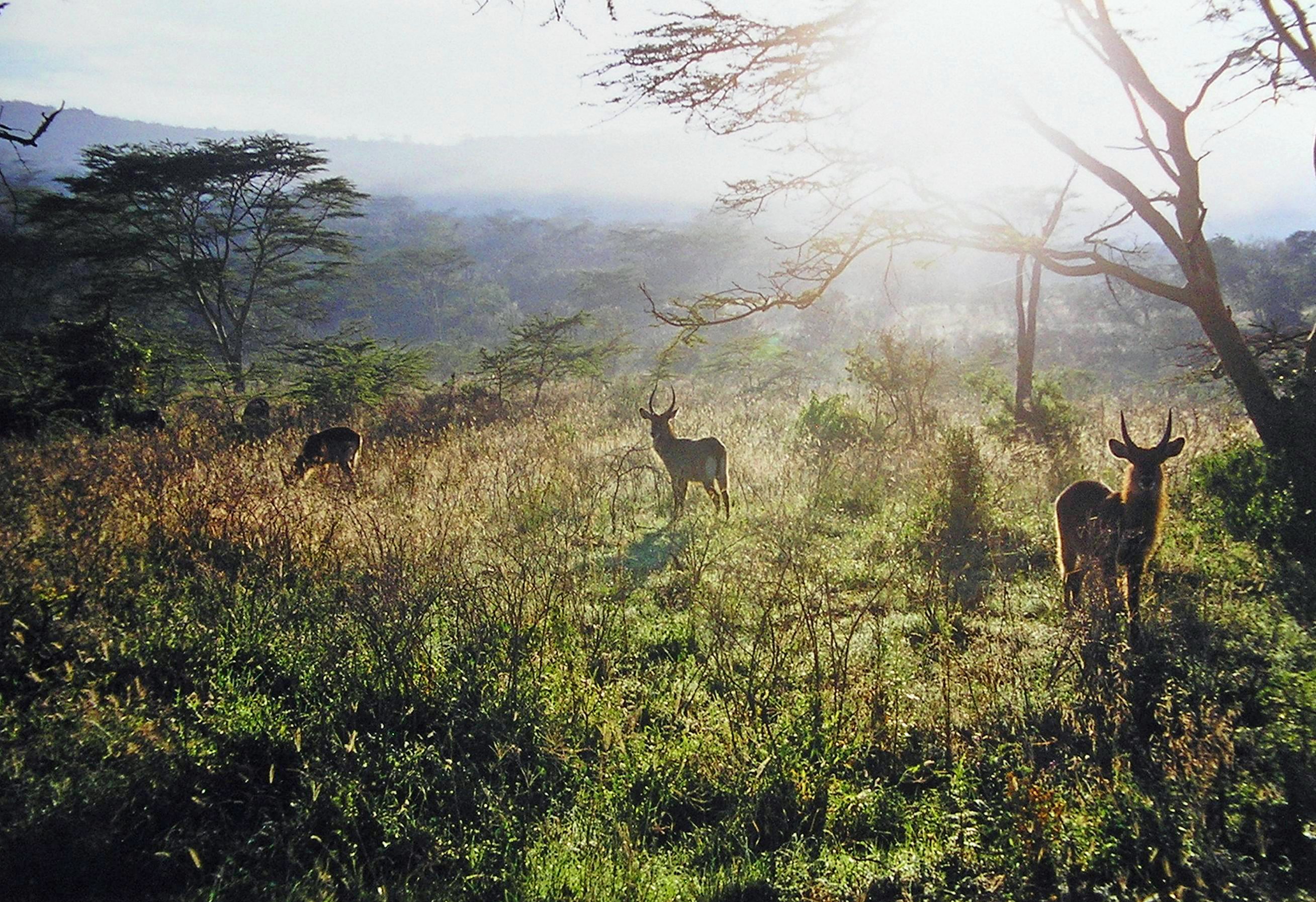
Later that same day, we were driven to the top of the park’s highest mountain, where we got the most spectacular view of the lake and its surrounding areas of green. At this point in time, this park was perhaps the greenest place in Kenya. On a rock face on the mountain, we saw rock hyrax at extremely close quarters.
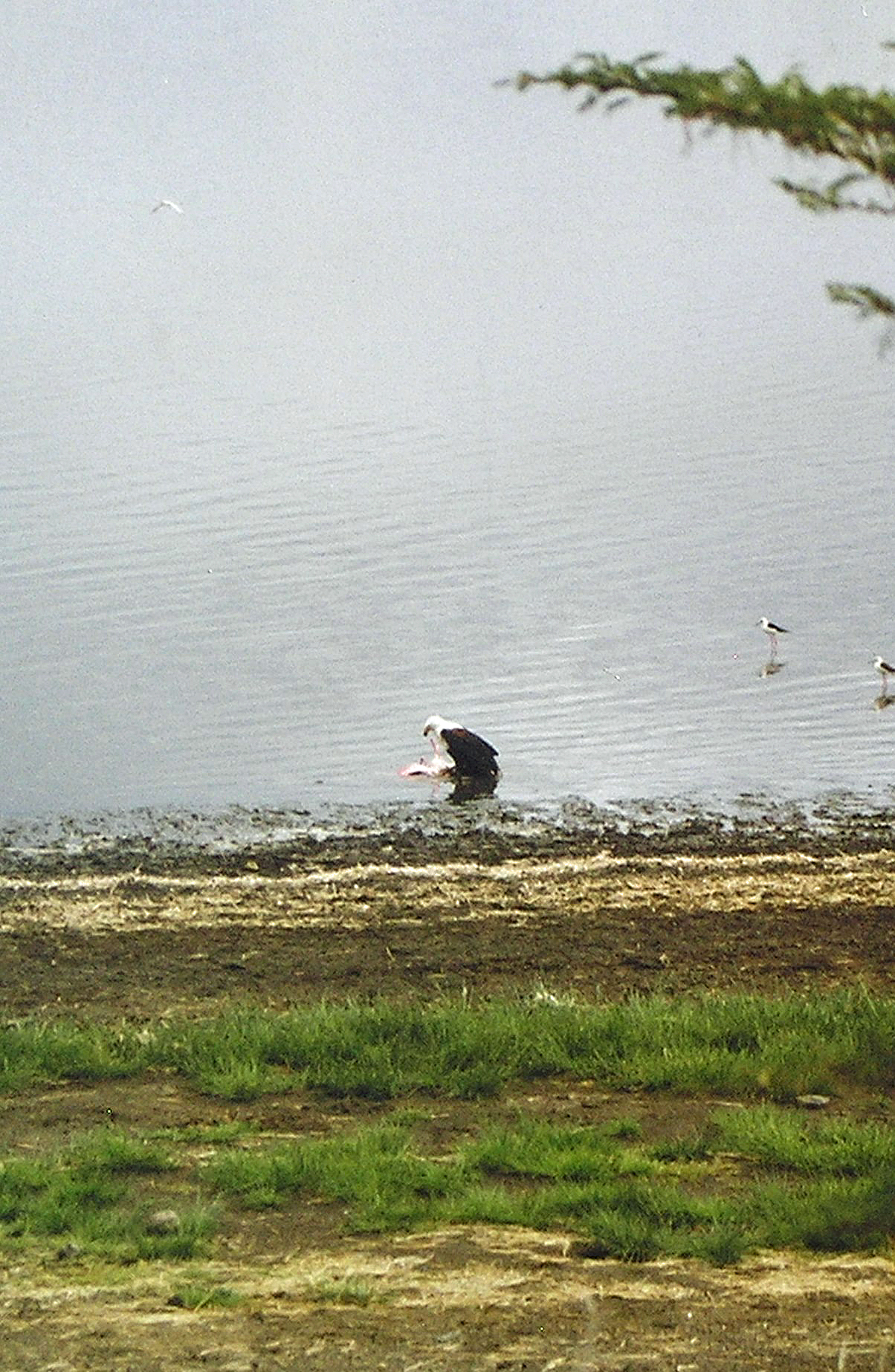
On our way back to the lodge, we saw a fish eagle snatch a flamingo on the lake. The eagle began eating the flamingo while it was still alive; it’s head was bobbing up and down while the eagle held it down with his sharp claws, pecking chunks of meat off the bird with its beak. After a while, the eagle pecked out the flamingo’s eyes and tore off its head while its legs were still kicking. This was quite a lesson in a harsh though very exciting natural world.
We went on another early morning Safari the following day, which was fascinating even though we didn’t see quite as many animals as on the previous day. The morning mist, the vegetation and wildlife, and not least the smell of savannah plants were an experience in itself. There were just as many flamingos on the lake as on previous days, but this time, not all of them had gathered at the banks. Instead, they were spread out all over the lake. There were also lots of pelicans; and in the middle of it all at the water’s edge, stood a water buck. After a couple of hours on Safari, we were back at Lake Nakuru Lodge for breakfast, before we packed our suitcases for the last time and left the park after a few eventful days.
Homeward bound
On the journey back to Nairobi, we stopped off at Lake Elementaita Lodge. This place was also incredibly beautiful and idyllic, with a view over the savannah, lake and mountains. We spent five hours at the lodge and had the opportunity to go for a walk in the beautiful countryside, enjoy the swimming pool, ride in an ox drawn cart, ride horses or have a look at an ostrich farm. We also enjoyed a wonderful picnic, with the entire lunch set up and moved out onto the lawn. There stood the chef, roasting chicken and lamb, which was served with spaghetti and other hot dishes along with salads and a variety of deserts.
After lunch, a lot of people were interested in watching CNN because they wanted to see the result of the US presidential elections. But there was no final result yet. Some 98% of the votes had been counted, with 49% to Al Gore and 48% to George Bush. We, therefore, had to wait for the result until later. And as it turned out, this was much later. In fact, it took more than a month for the US Supreme Court to determine that the candidate with the fewest votes was to be the victor. Democracy has many interpretations.
The trip home was a long one, waiting as we did, first at Nairobi airport and then in transit in Amsterdam before reaching Copenhagen on the morning of Thursday 9th November. We came home to a country in mourning, and a funeral was soon to take place in our home town. The Queen Mother, Queen Ingrid, had died during our trip to Africa.
The Karen Blixen Marathon and the trip to Kenya had been fantastic, and what one could truly call an active holiday. It was a trip I will never forget and will remember with pleasure. If I had had a bit of a bad conscience about taking the kids out of school before we left, it was all gone now. My lads could easily manage to miss out on a week’s ordinary teaching. What they had learned about Africa during that week they would never have learned in ten years in a Danish municipal school.
Buy the book here.
