The glass was overflowing
The spring of 2005 was a busy and stressful period for me. Our family firm was challenged and faced a battle for survival, and at the same time it was the season for ending the annual accounts and tax returns for clients of my own accountancy firm.
I also had my hands full on the education front. In 2003, I had embarked on a NLP Practitioner training, and the following year, I continued my studies to become an NLP Master Practitioner. I had now got as far as the Communicator training, and there were course modules to see to and regular group practice sessions to attend. We had read up on theory while at the same time preparing for the final assessment in the autumn.
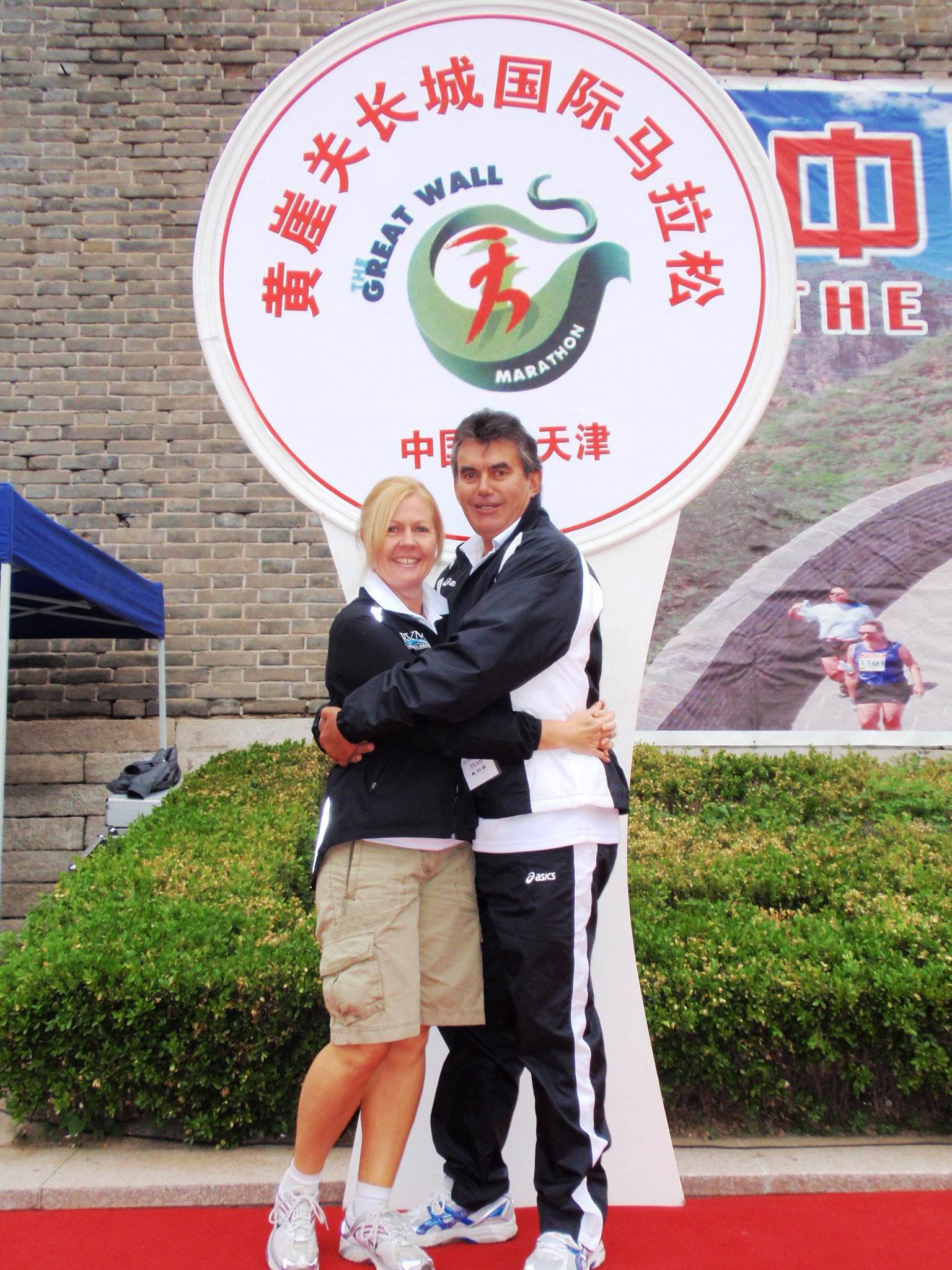
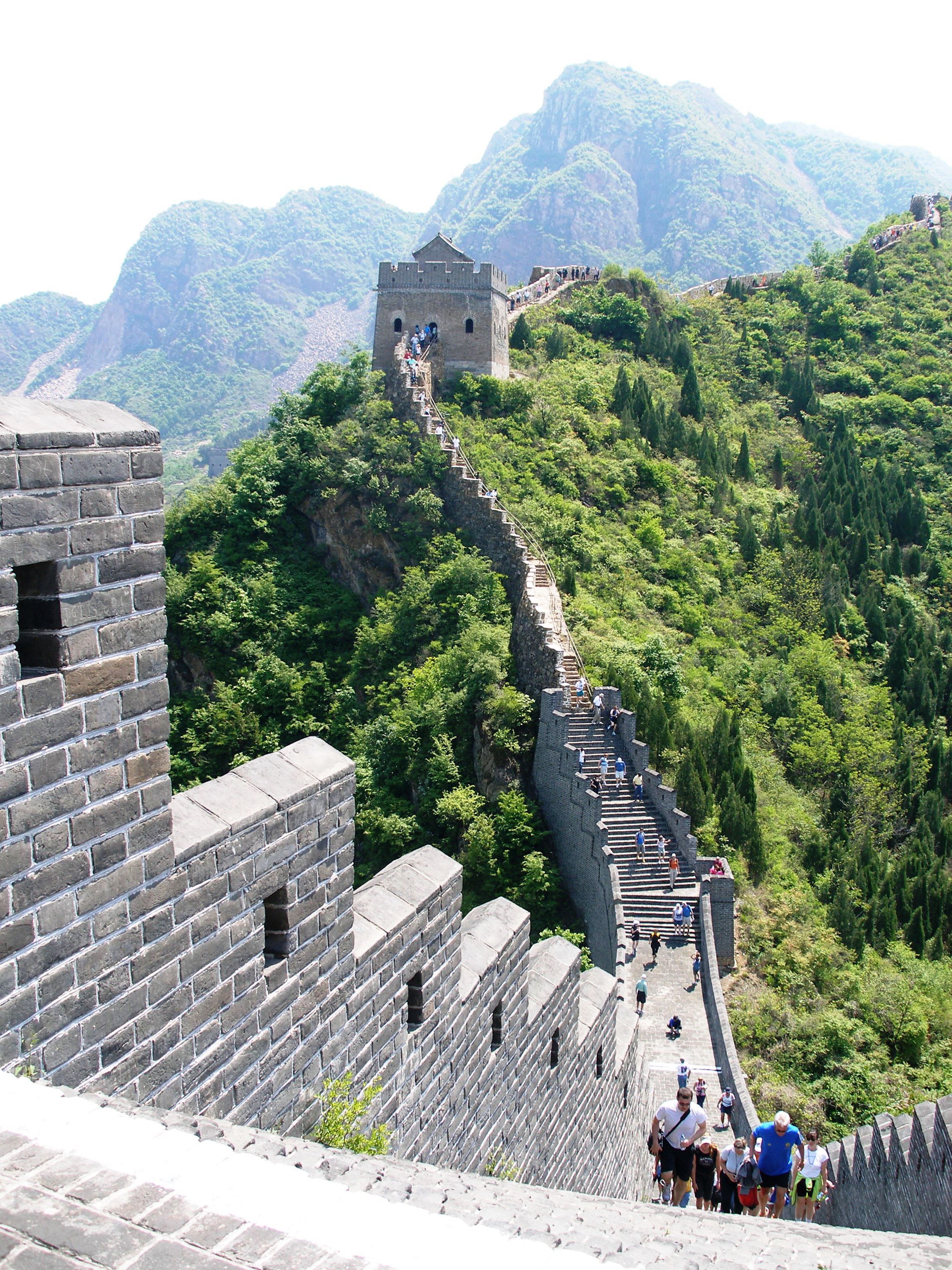
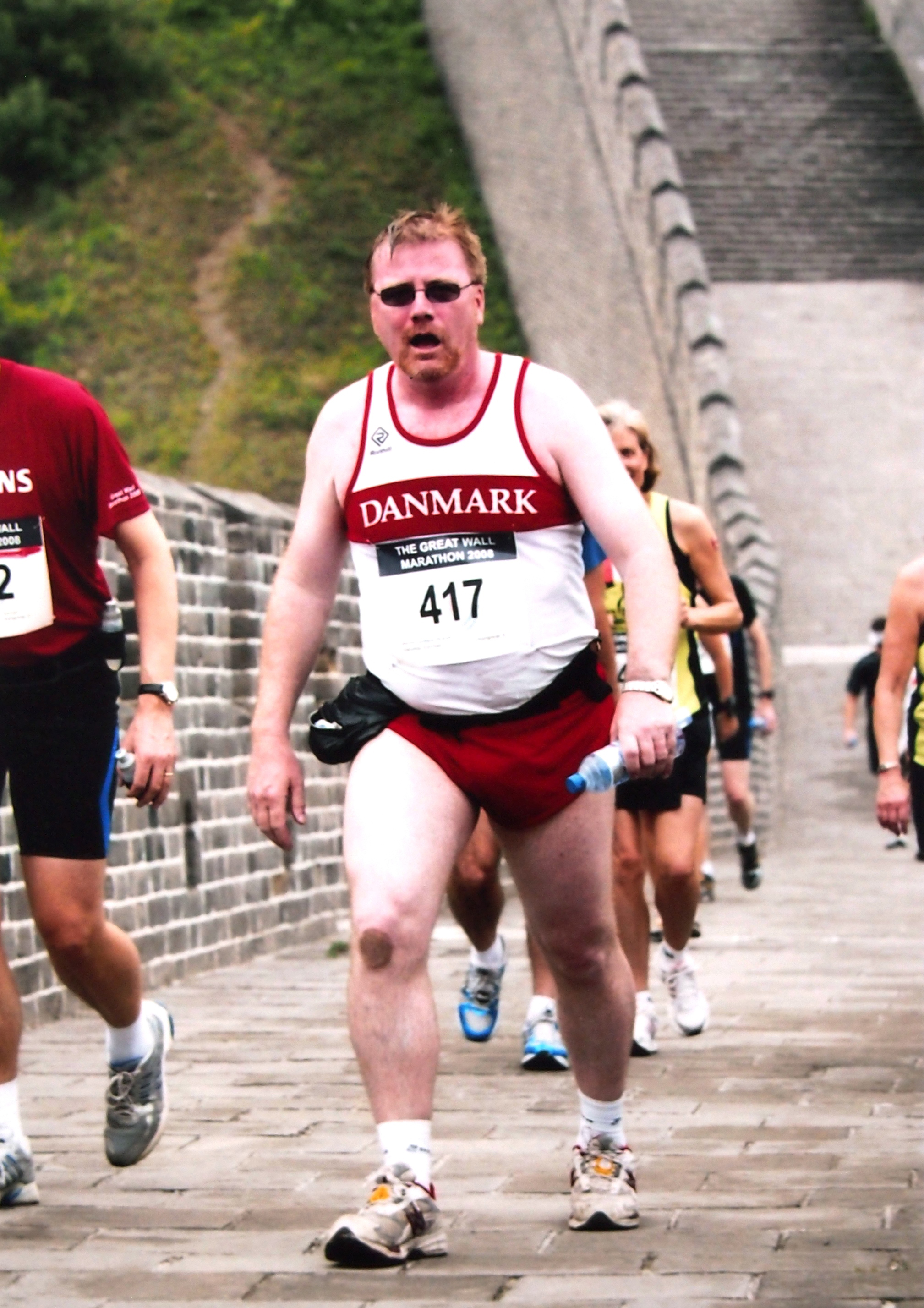
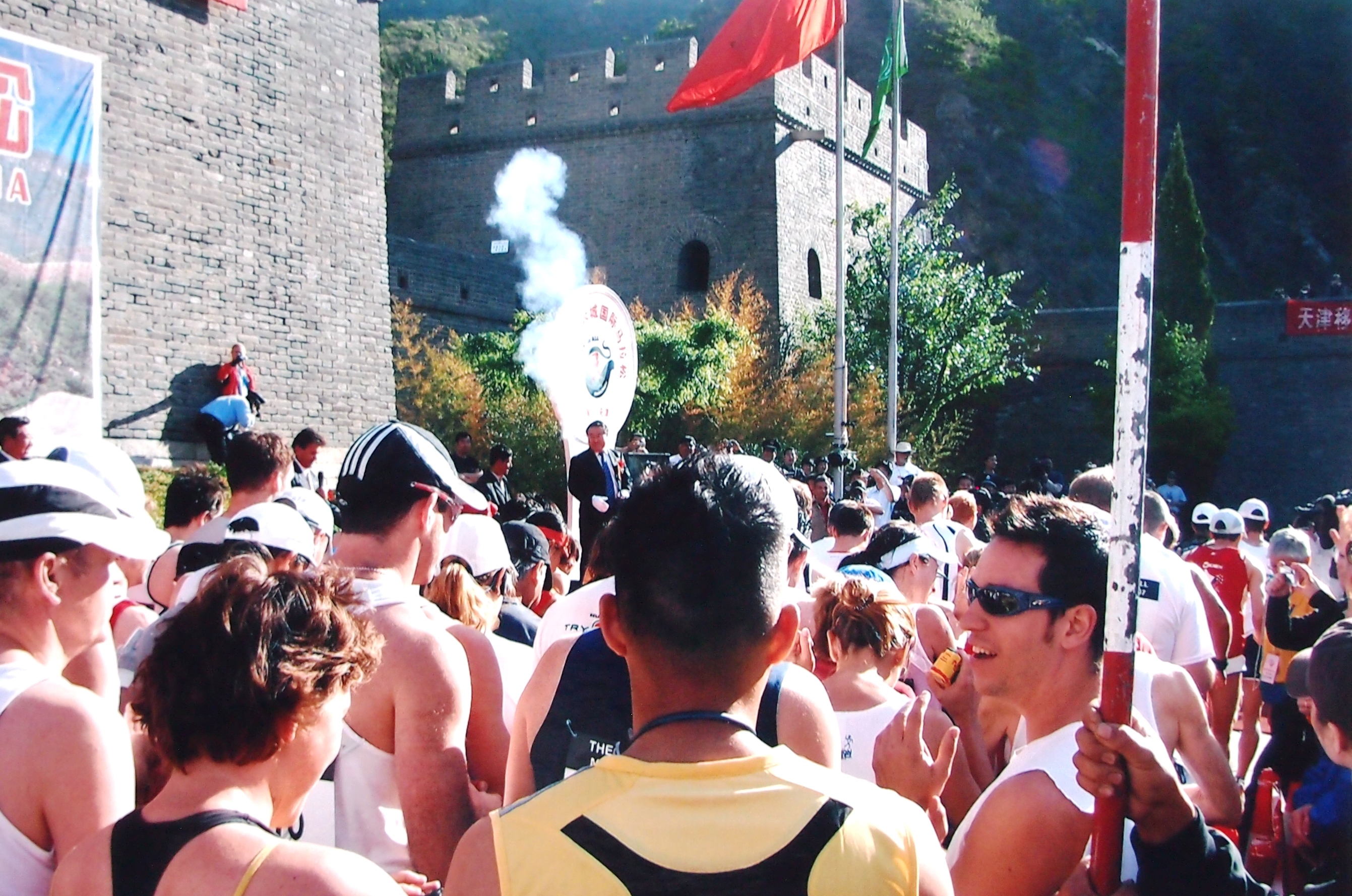
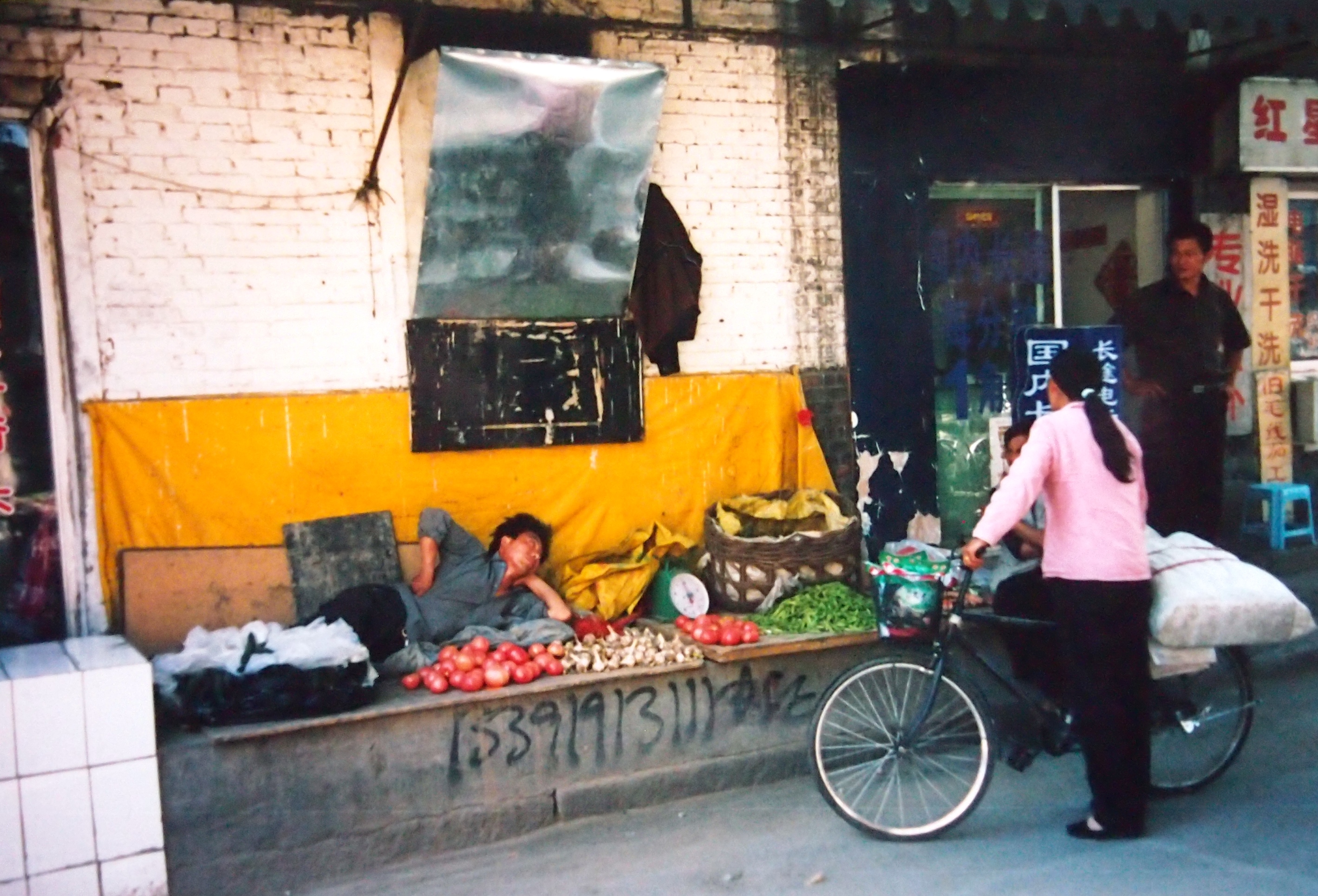
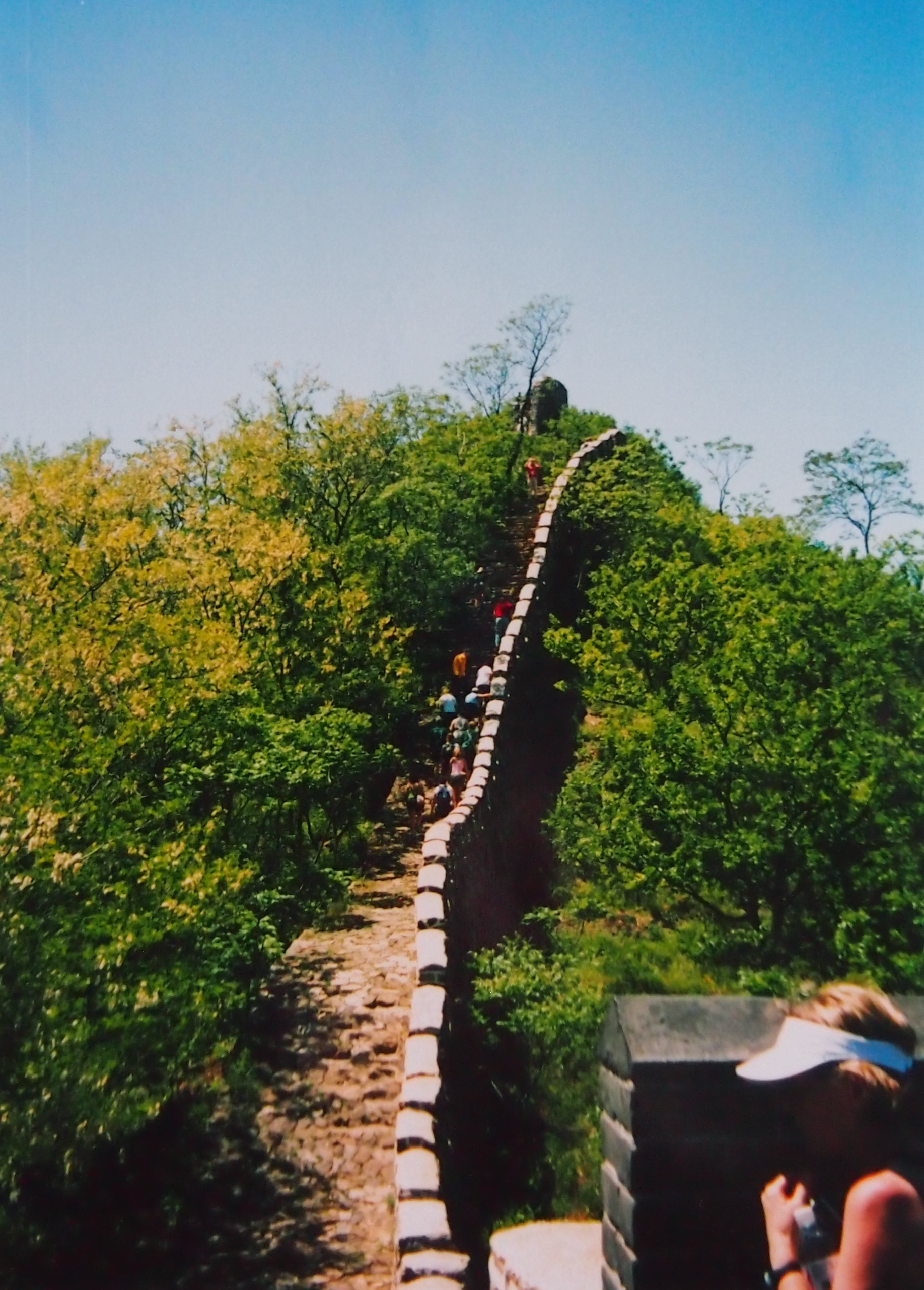
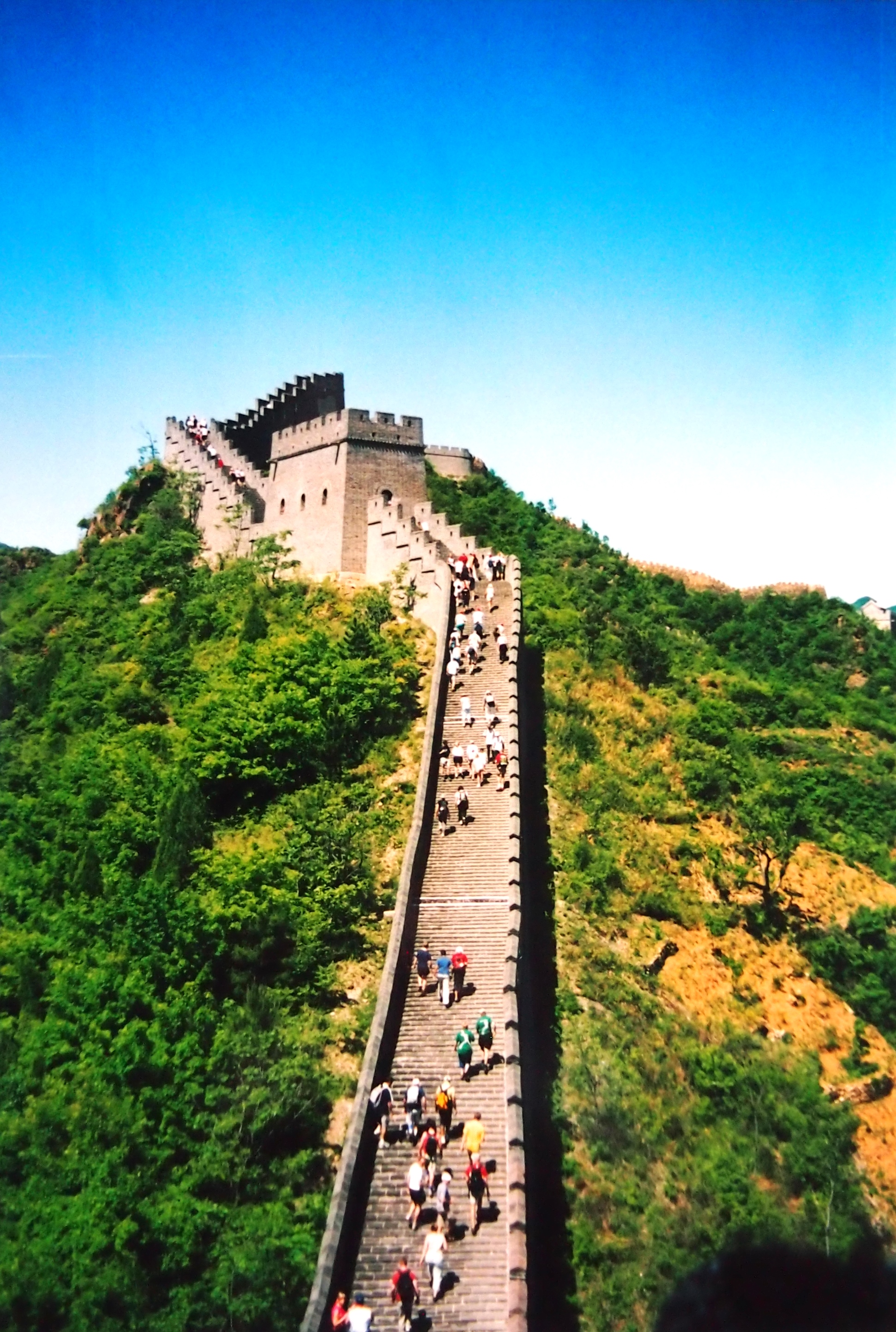
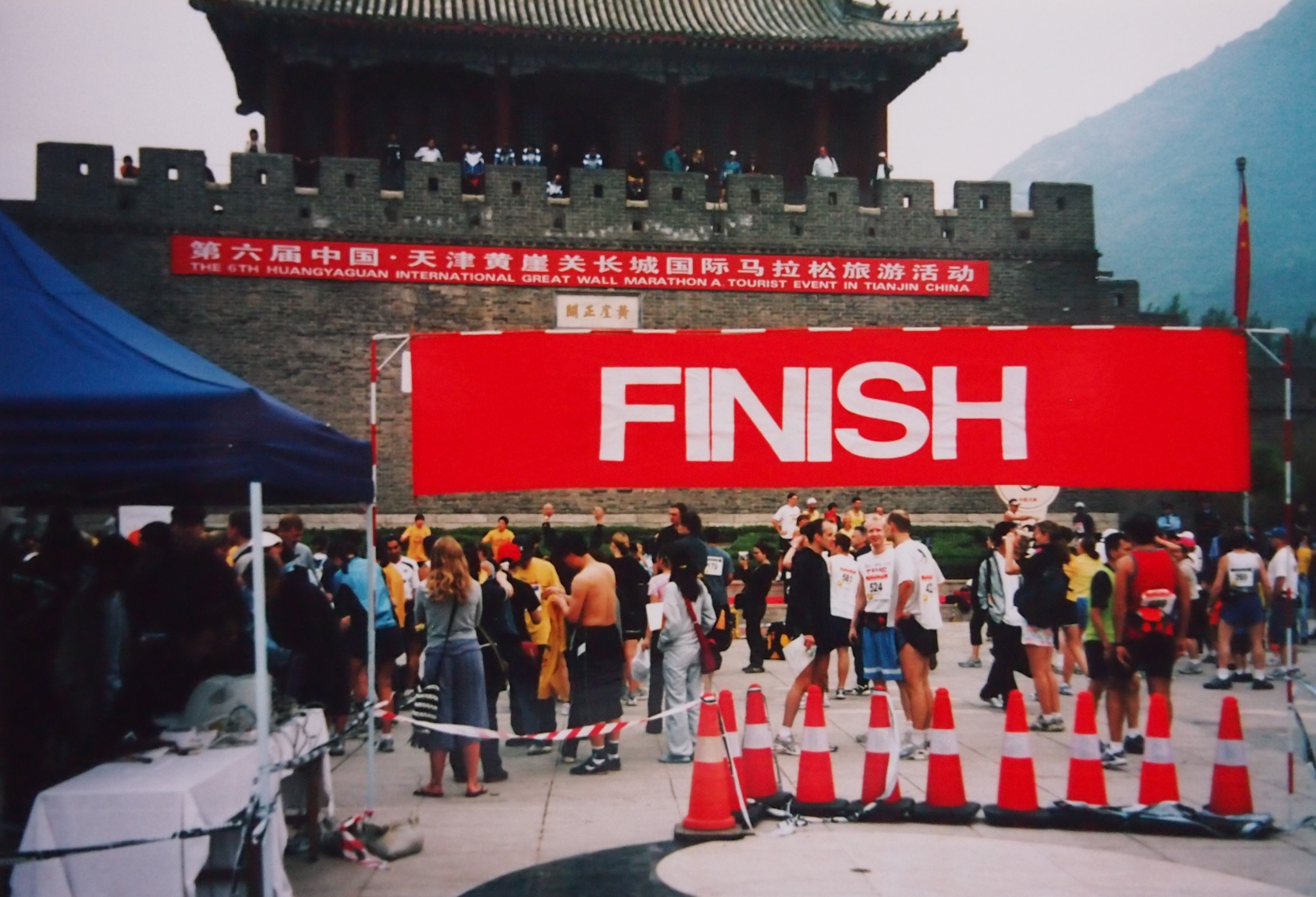
At the same time, I was doing my running training and didn’t refrain from doing runs. Within just two months, I had run the Five Towers and the London Marathon in April; and in May, I ran the traditional Great Wall Marathon. I had enough on my plate, particularly as at that time I was a single parent of my two sons with all that involved in the form of shopping, cooking and much, much more.
With the benefit of hindsight, I was not at all ready for the trip to Africa as we reached the end of June. It was as though my cup was full, and I could not pour any more in without it spilling over. From a mental point of view, I simply wasn’t ready for another marathon, and when we left Denmark on Midsummer’s Day I felt as though I had left my soul at home.
Running among the wildlife
The Big Five Marathon was the sixth destination from the hand of Adventure Marathon. The Karen Blixen Marathon had not had enough runners for it to be run a second time. The Hell’s Gate Marathon was only on the drawing board. There is no doubt that a new African marathon was high on the list, especially as far as Søren Rasmussen was concerned. It was to be run in the continent’s southernmost country.
In the safari world, they refer to The Big Five, as in five familiar and impressive beasts, namely the lion, the leopard, the rhinoceros, the elephant and the water buffalo. All these animals are very much at home in the Entabeni Game Reserve in the province of Limpopo, northwest of the Kruger National Park, and this was where the new marathon was to be run. We would be running among the above-mentioned beasts and other African wildlife. There was no fence, no river; nothing whatsoever would separate the runners from the big game of the savannah. The park rangers would, however, be taking care of security, so that the runners could have a magnificent experience without risking their lives.
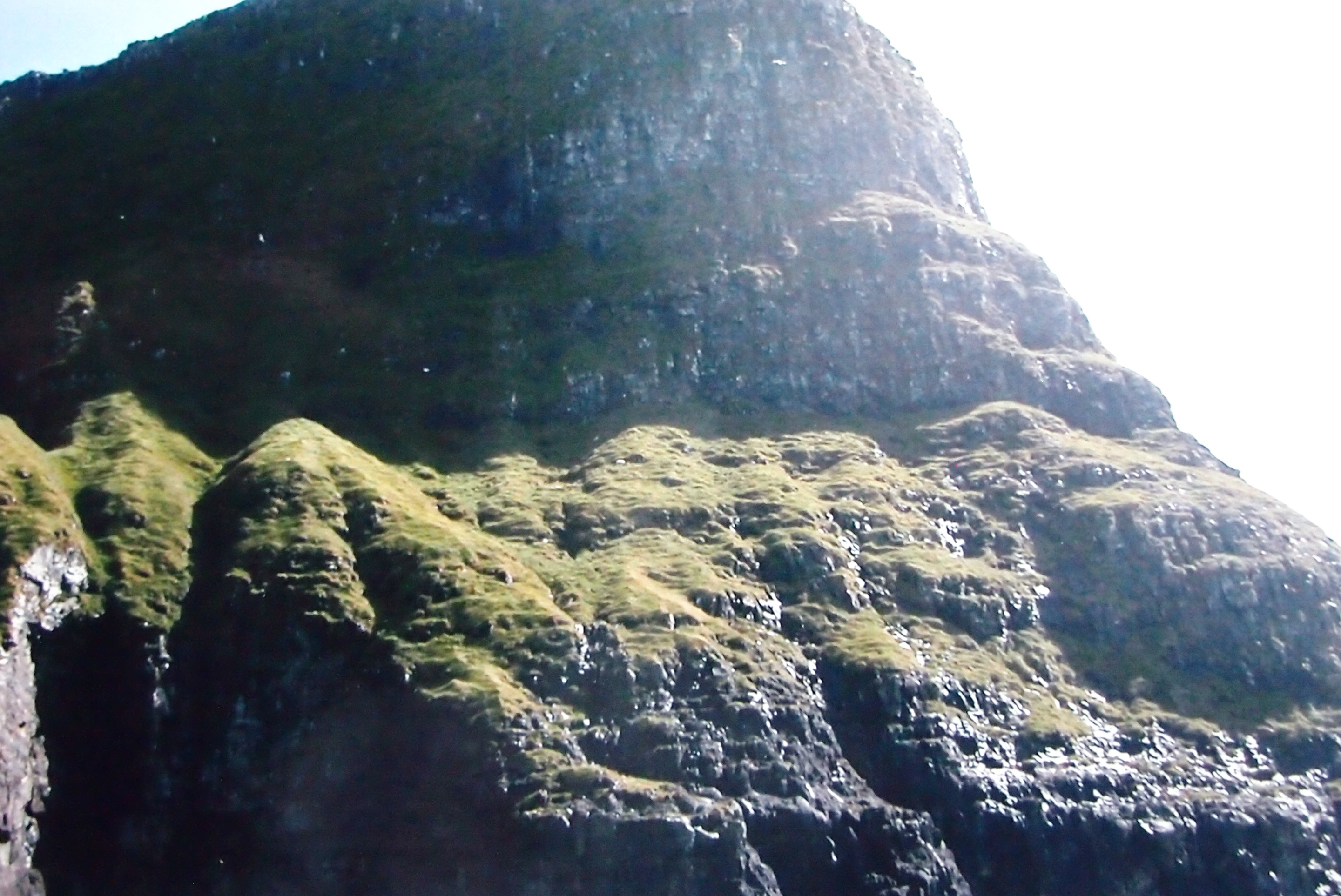
The nature reserve extends over the impressive Warterberg, one of the world’s most impressive massifs, and at the same time, one of the very few places in South Africa that combines magnificent scenery with a huge occurrence of wildlife, including the big animals of the savannah.
A party for cousins
Just like two years earlier in Tibet, this trip was also a family event. The boys, Elisabeth, my sister and my niece all set off on this fascinating journey. But we were definitely not the only ones who had travelled together on previous trips. Many of the regular participants turned out for this marathon. It was like meeting at a regular party for cousins.
We left Copenhagen Airport on Friday evening. After a stopover in London, we set off for Johannesburg late in the evening. South Africa and Denmark are on the same longitude, and we reached our destination at nine on Saturday morning.
As early as at the airport, we were told that not all the locals were equally honest, and while we were waiting for the group to gather, there was a man who took hold of Emil’s rucksack. Emil reacted quickly, and as he turned round the villain ran off.
Bus trip and local information
We now had a few hours’ journey ahead of us by bus. Our guide was very knowledgeable about the area. He had lived there for seven years and was a university-trained biologist. We learned a lot on the bus journey, among other things about the difference between rich and poor. South Africa’s 10 % poorest earned 1 % of the nation’s overall income, whilst the 10 % richest earned 50 % of the income.
On the onward journey, we heard, among other things, about the people of the northernmost province which during a period from 1852 was independent of South Africa. Part of the province’s population originally came from Holland and are known as Afrikaans. Not surprisingly it is the whites, who are wealthy and the blacks poor.
We later drove into the Warterberg area, which gets its name from its numerous rivers, streams and wetlands that characterise the scenery in this part of the country. Warter stands for everything related to water, whilst berg means mountain. Here they keep wild animals for slaughter because they are more resistant to disease than a tame livestock.
Unauthorised electrical installation
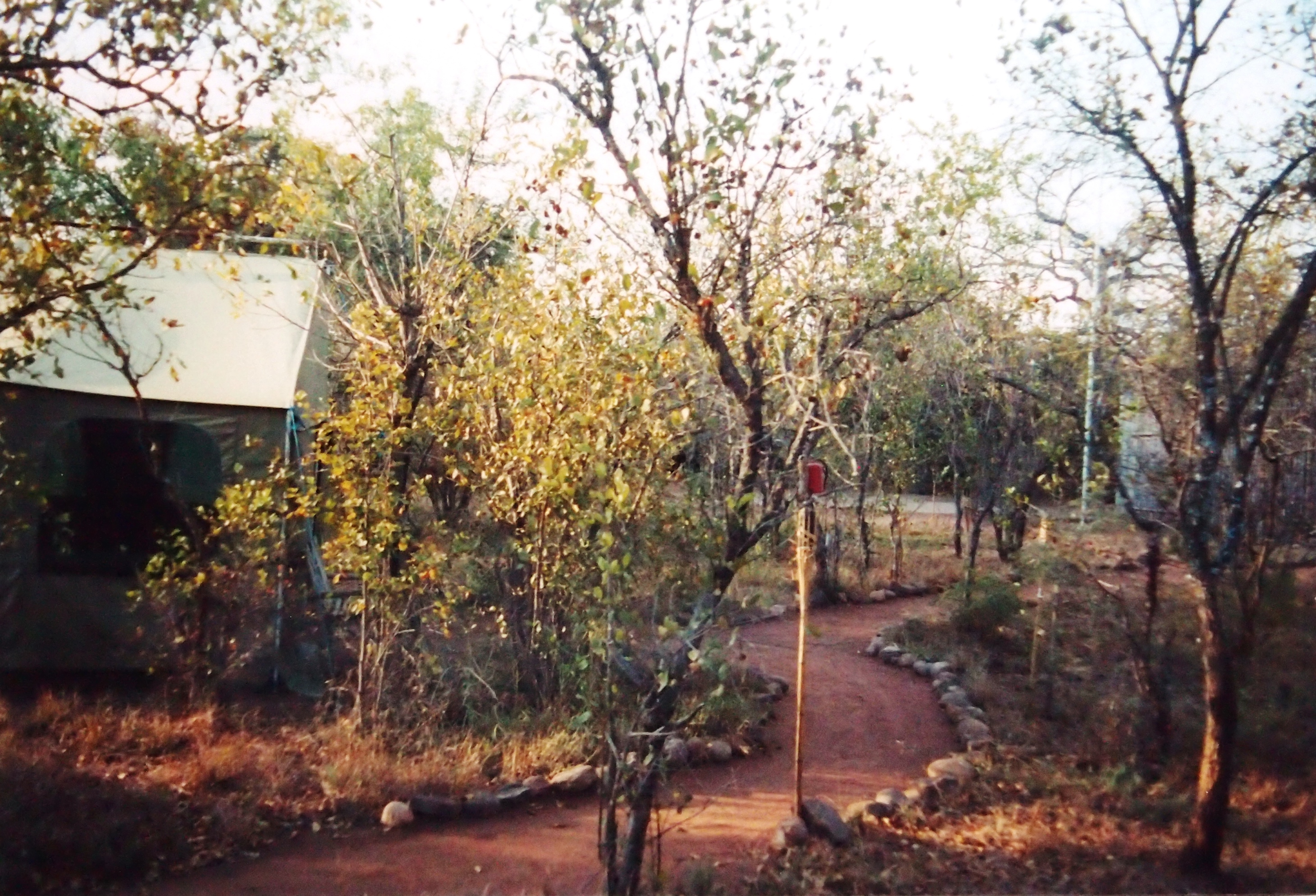
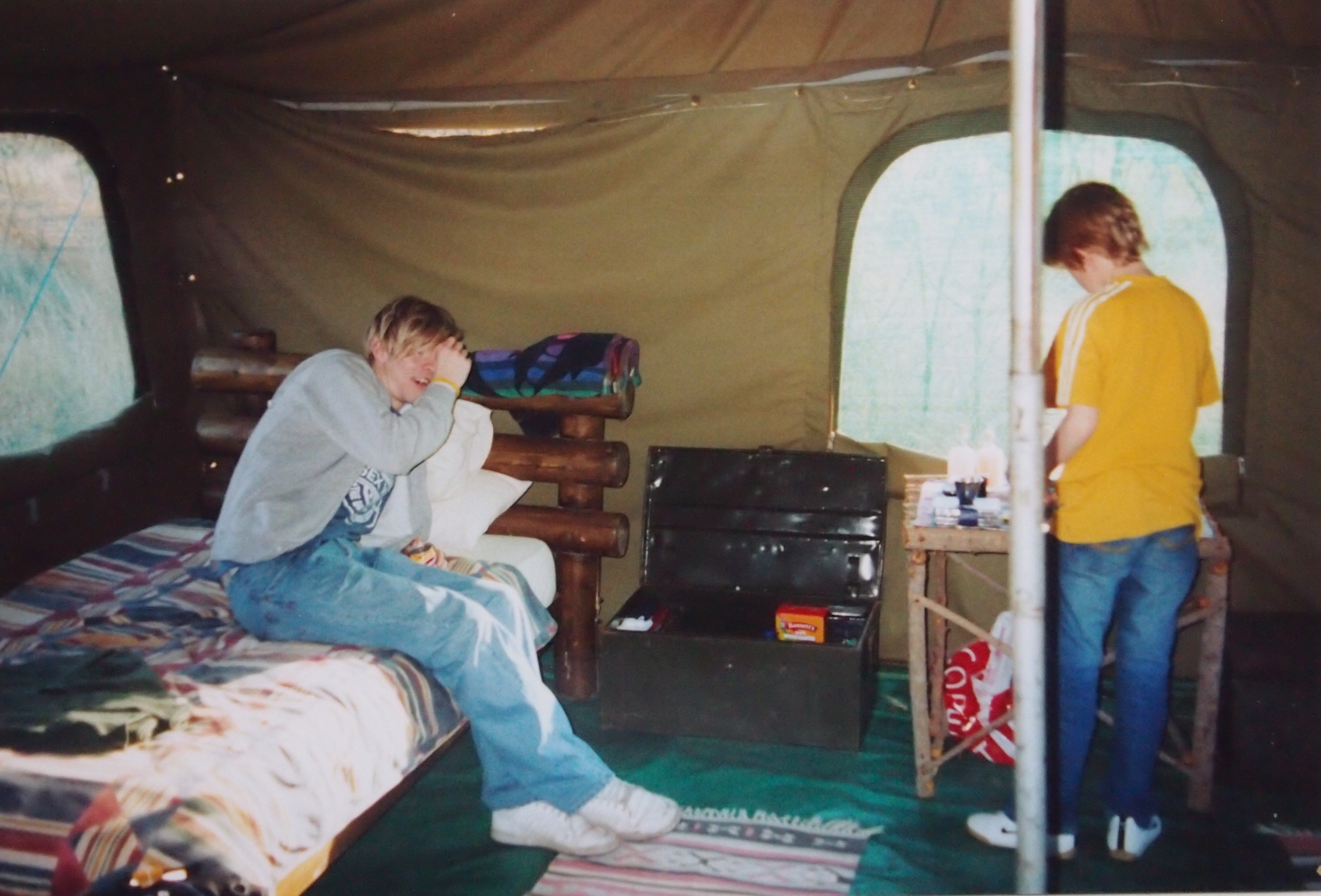
In mid-afternoon, we arrived at Pedi Bush Camp and were shown to our tents. These were spacious and had two beds in each. We moved one bed from Elisabeth’s tent, so that the boys and I could sleep together.
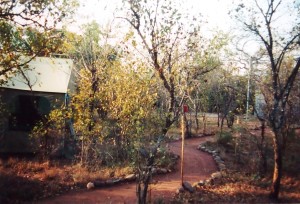
The camp had no permanent electricity supply, and so each tent just had two light bulbs supplied by a generator to light up the tents for a period every morning and evening. But there were no sockets, and thus no way to charge electrical devices. The camp manager, therefore, offered to take our mobiles with him at night to charge them. This was not optimal, though. We had other things with us such as laptops and video equipment which needed power and which we wanted to be able to use after the camp manager had gone home in the evening. As the son and grandson of electricians, I soon found a solution. I always take a screwdriver and a pair of pliers with me on my travels, and they have been very useful on several occasions. This challenge was greater than anything I had previously seen, however.
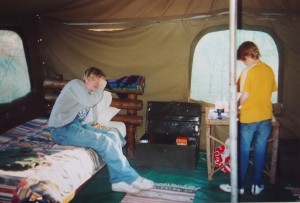
It wasn’t as easy as on other occasions to open a plug and attach the wires. The lamp fitting was screwed onto a wire. In the fitting were two needle-sharp pieces of metal, which cut into the cable, making contact and lighting the bulb. With a lot of patience and considerable difficulty, I succeeded in wrapping the stripped ends of my extension flex around the two sharp bits of metal. We were excited to see if there would be power in my four-socket extension when the generator was powered up later on. The operation was a success, and we were now able to charge morning and evening, even though I realised my unauthorised installation was not quite by the book. Like at a hotel, a chambermaid came every day to empty the waste bin and sweep the floor, so to avoid attracting attention I hid my invention behind our towels.
Wildside
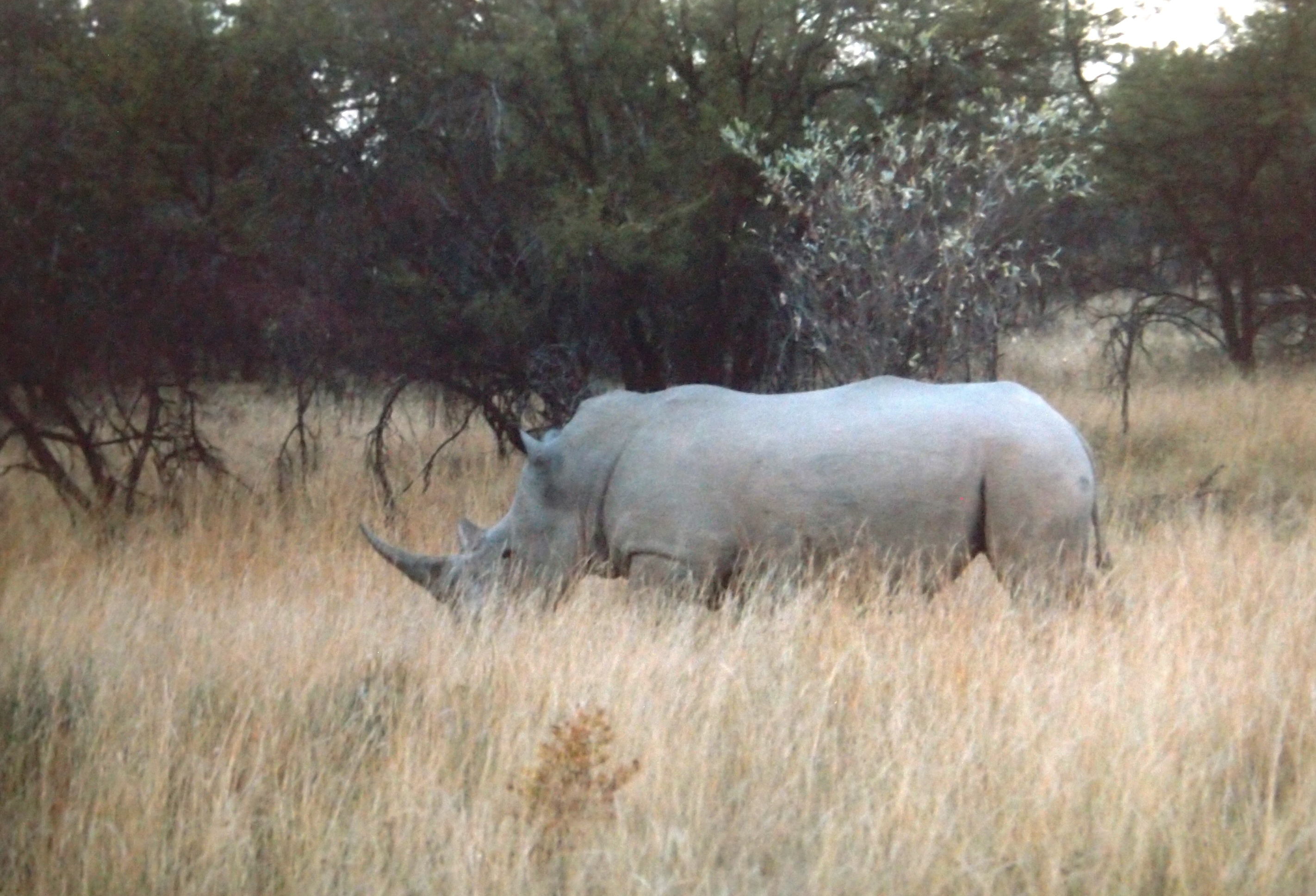
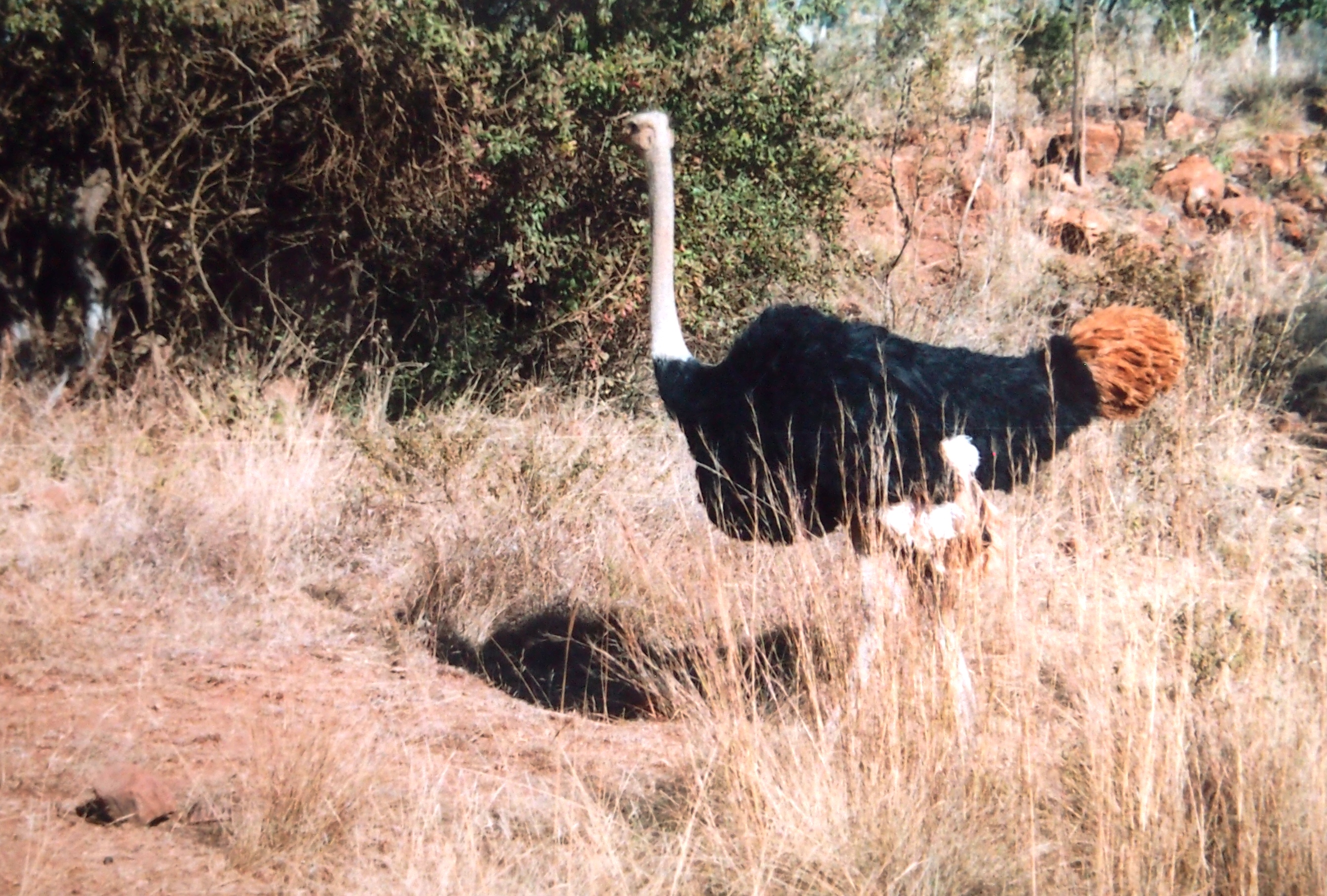
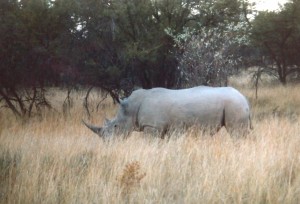
We saw our first wild animals on the very first day. After an information meeting in the camp’s open dining tent, we went on a short drive to the reserve by 4×4. Here we saw lions, antelopes, gnu, zebras and rhinos.
As soon as the sun went down at 6 p.m., we were reminded of the fact that it was winter in this part of the world. It immediately turned perishing cold. The temperature could creep up to 15-20 degrees C during the day, but during the night it was only a few degrees.
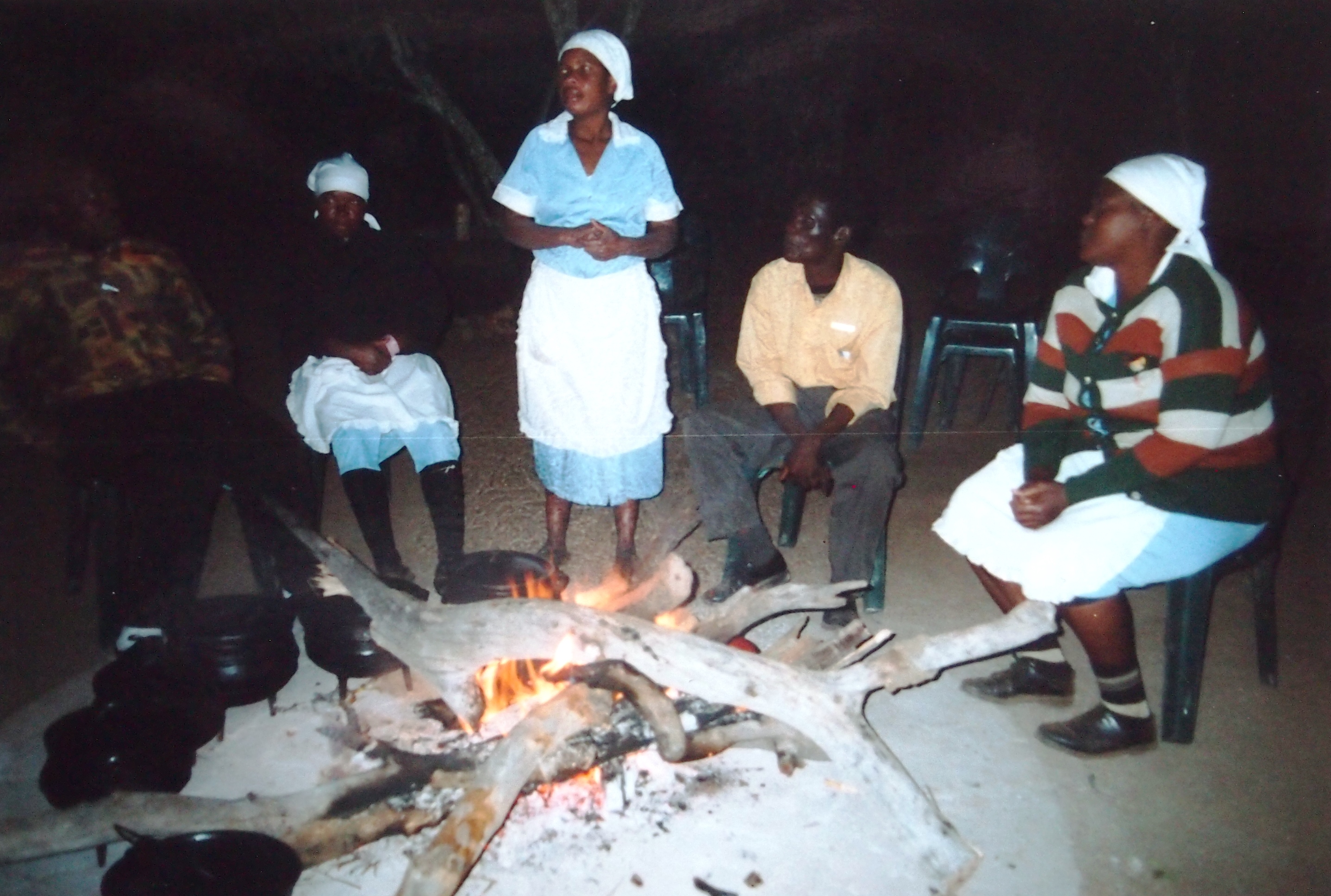
That evening we were, however, headed for more civilised conditions. We were driven by 4×4 to Wildside, another camp where other groups were staying. Here, all the groups ate a meal together in the restaurant before being entertained with local song and dance around a campfire.
Wildside was a good deal more luxurious than Pedi Bush Camp. There was a restaurant, a bar, and toilets and showers, as well as electricity in the tents. When the guests went to bed at night, their beds had been warmed up by electric blankets. This must have been the local equivalent of business class. On the other hand, they didn’t have the same freedom of movement, which we enjoyed in our enclosed area. Wildside was not fenced in, so the guests were not allowed out in the evening without a guard.
Bitterly cold
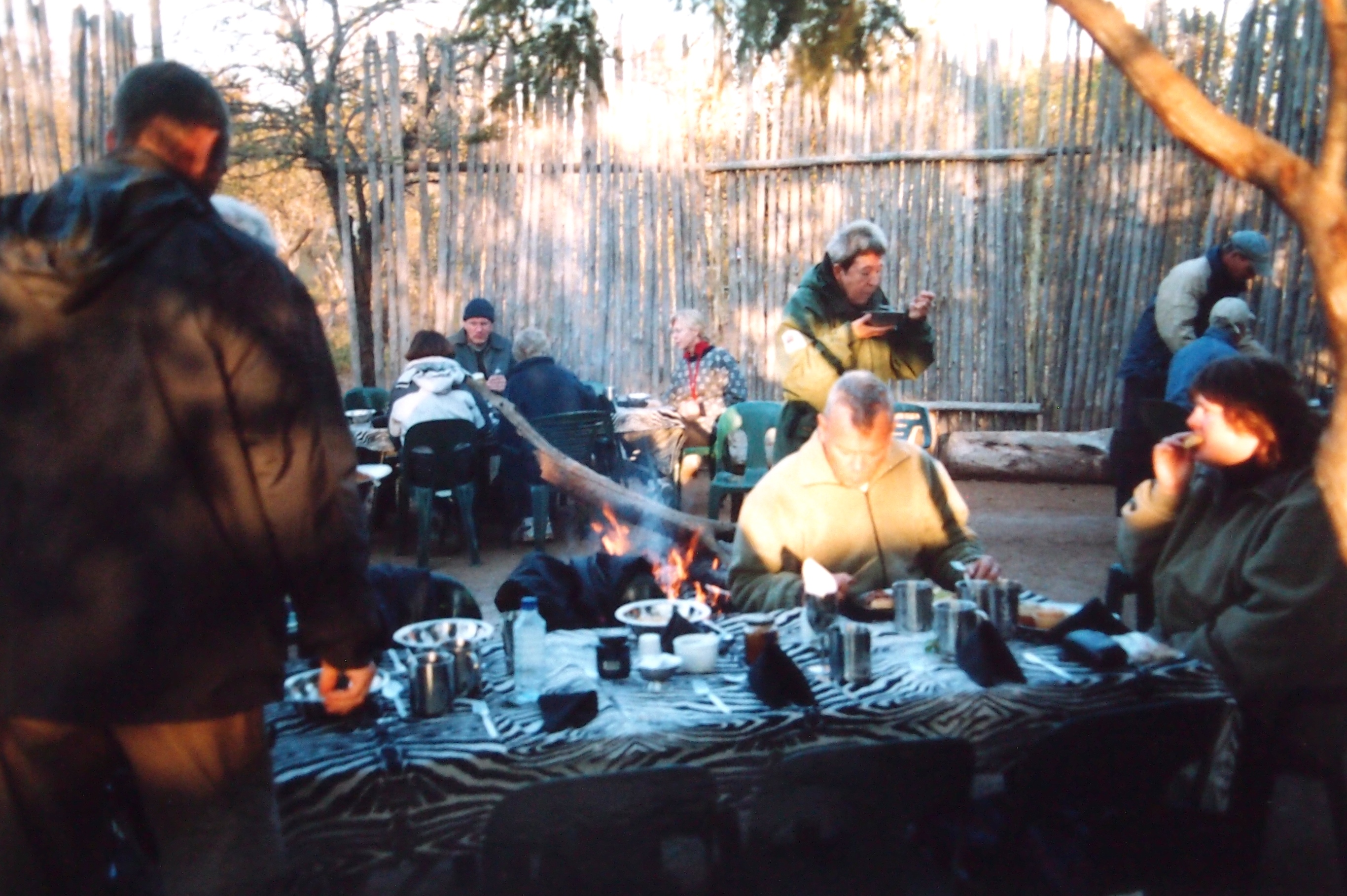
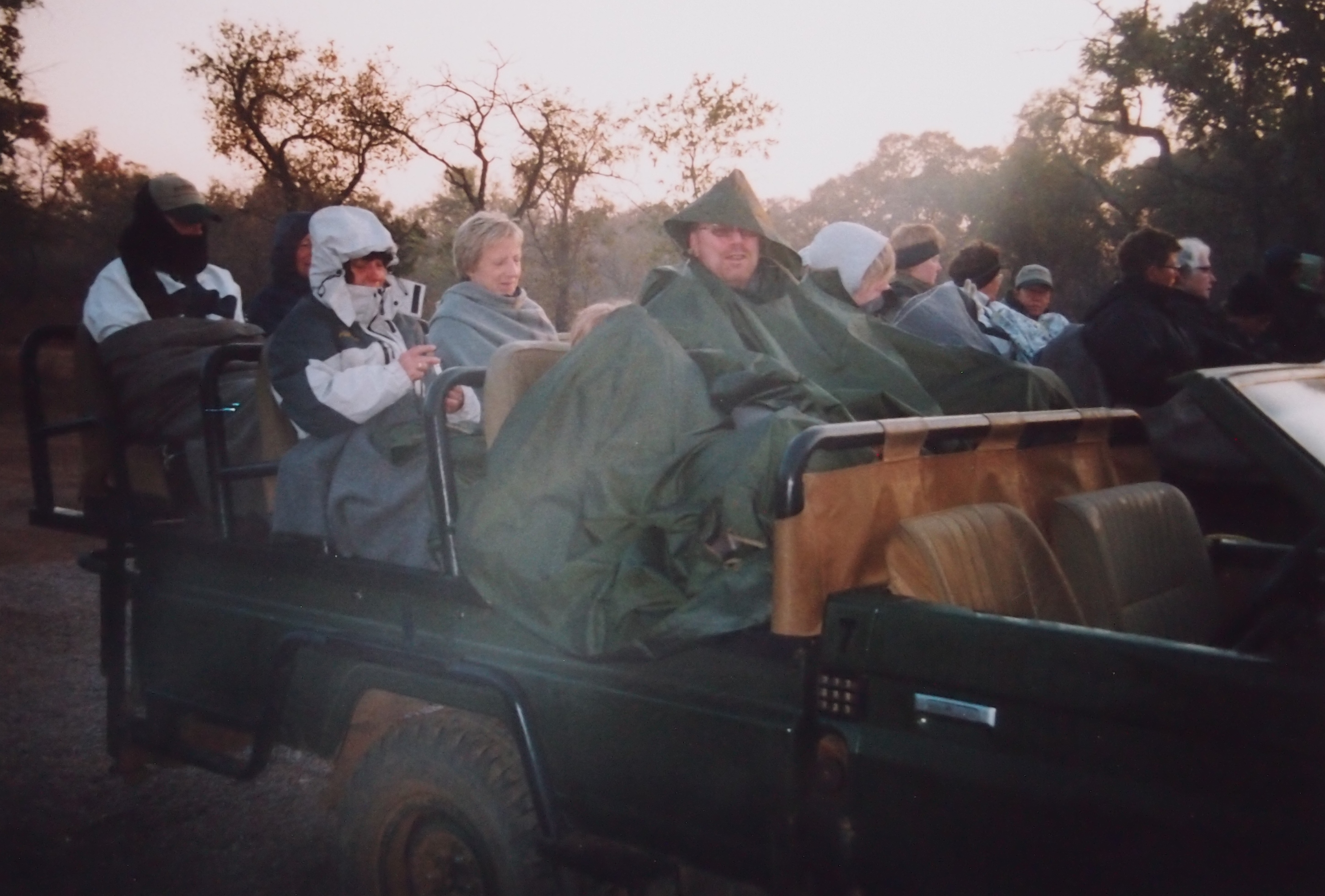
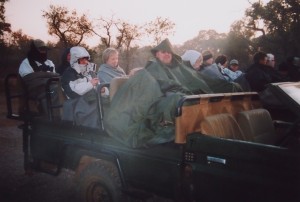
As we drove back to Pedi Bush Camp later that evening, we could really feel the African winter. It hadn’t occurred to me that the boys and I didn’t have enough warm clothing along with us for the evening’s outing. A quarter of an hour’s drive in the 4×4 without warm clothing was an ordeal. We were each given a large waterproof cape to put over us to take the worst of the wind, but it was still very chilly. Back at our camp, we put on some more clothes and sat around the campfire.

Before going to bed, we went to the kitchen, where we were each given a plastic water bottle full of boiling-hot water. We also wrapped up and covered ourselves with warm blankets. It wasn’t easy to keep warm, but we managed.
Because there was no electricity, we had brought torches with us. Each tent also had a kerosene lamp. We were living under primitive conditions, but for us, this had been a deliberate choice to get this very special experience.
A relaxing day
On the Sunday morning, we were driven to Wildside for breakfast. Once bitten, twice shy, as they say, and this time we wore more suitable clothing and after the sun came up we had no difficulty keeping warm. We spent the rest of the morning and some of the afternoon relaxing at Pedi Bush Camp.
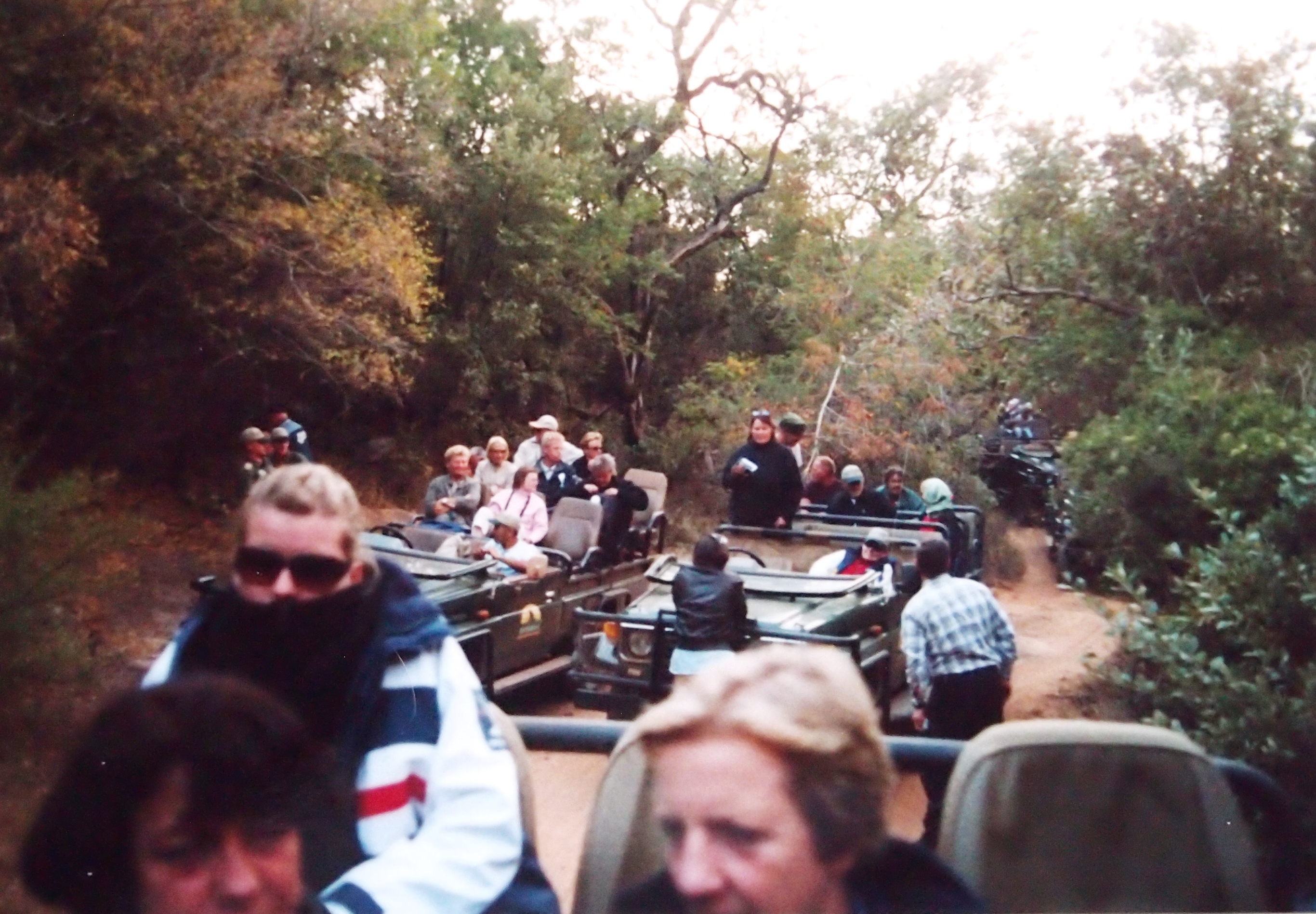
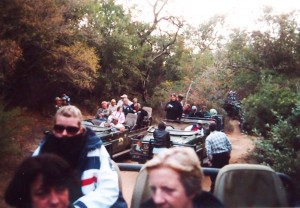
Later in the afternoon, we went on safari in 4x4s and shortly before sundown, we took a break with the rest of the vehicles. We were served beer, wine or water and enjoyed the most incredible sunset. Everything went very quickly, and when the sun had disappeared the temperature immediately plummeted, and it was cold again.
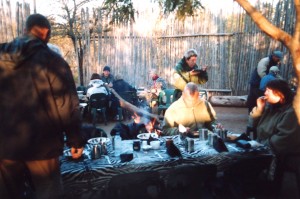
We also spent that evening gathered around the fire in our camp. Holger, always game for a bit of competition, decided that we should guess how many marathons the group had run altogether.
Inspection tour
By the Monday, the whole group smelt of the same – and it wasn’t of Chanel No. 5. There was no water in the camp, so we had to manage without, and everybody had to put up with the smell.
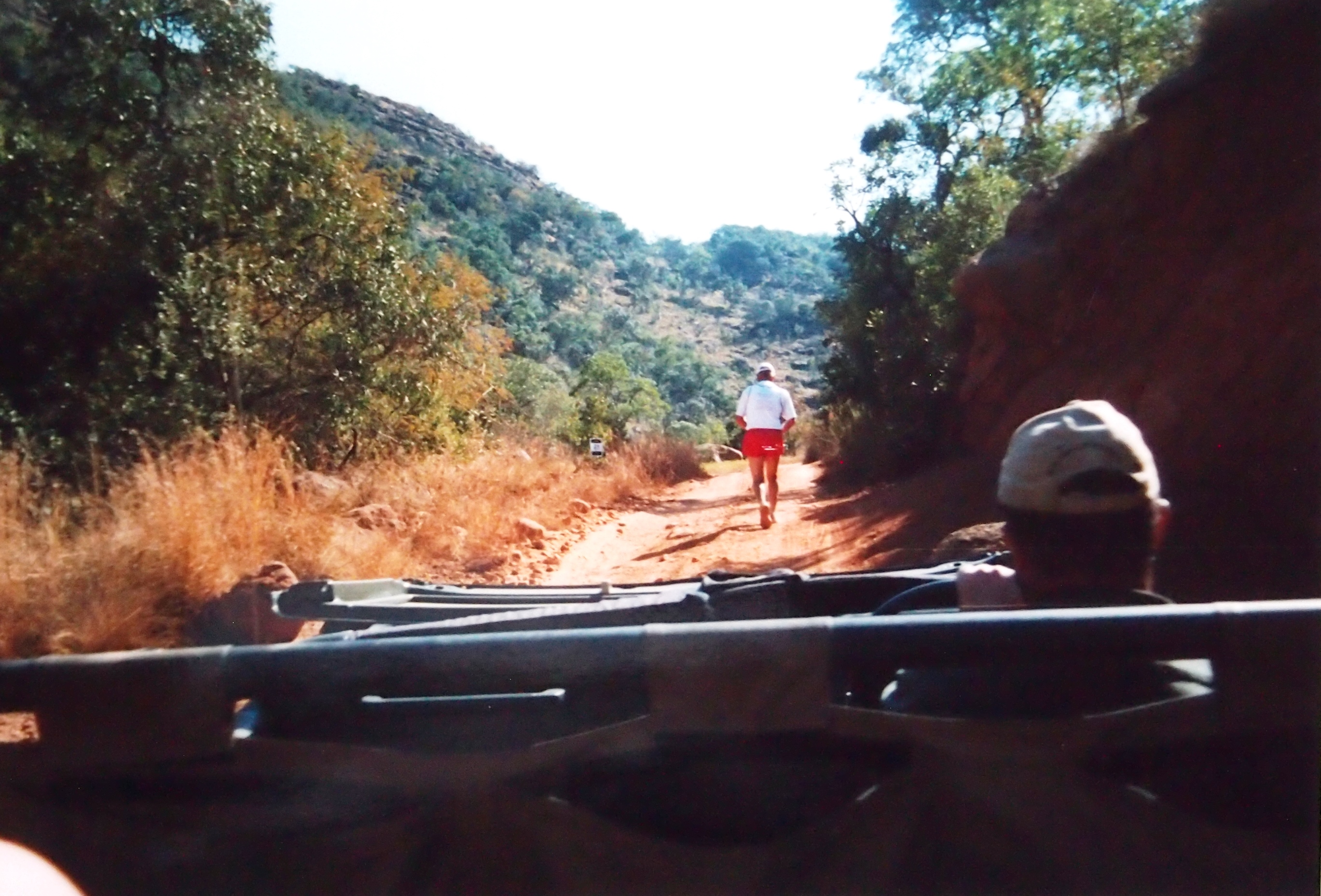
The day began with a shared breakfast for all the groups at Wildside, after which we set off on the inspection tour of tomorrow’s route.
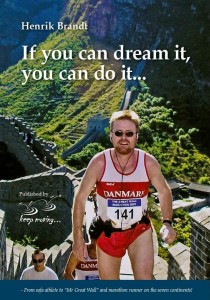
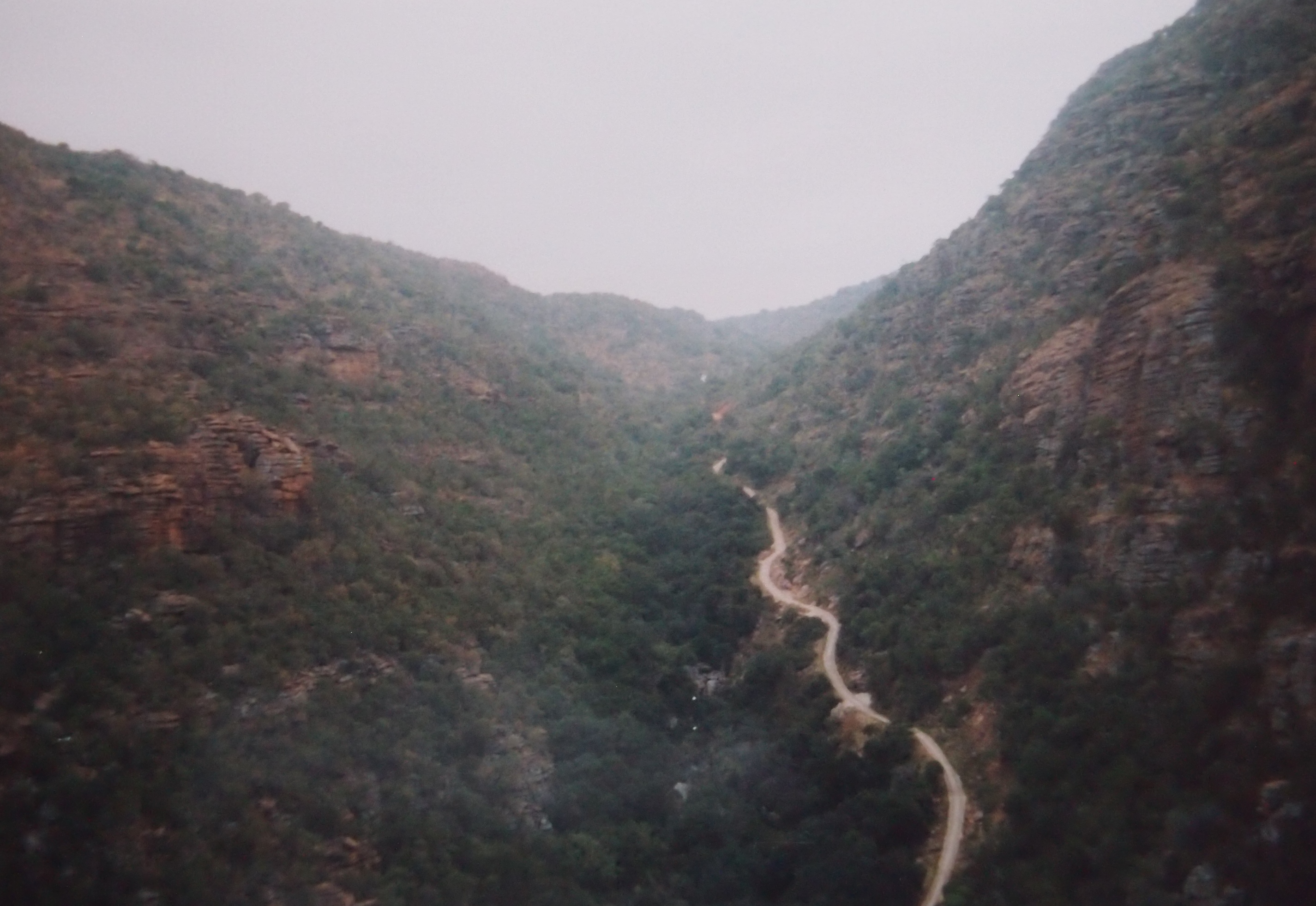
The first 20 kilometres of the run looked reasonably humane, but then the party ended. What followed was an extremely steep, rocky mountainside, which continued for several kilometres. At that point, I thought to myself: “I can’t do that” – and that was despite my routine on the Great Wall of China and other equally challenging runs around the world. The time limit of seven hours ought not to have been so off-putting, but it was for me. I seemed completely to have lost faith in myself, and the conviction that had helped me through major challenges for the last six years had vanished. My wonderful sentences: “What you don’t have in your legs, you must have in your head”, and “If you can dream it, you can do it”, gave me no strength whatsoever in this situation. I had nothing on which to support myself, and my dream seemed a long way off.
The half marathon course was slightly longer than traditional, as they were to run the final 23 kilometres of the marathon route. This would give them the pleasure of the formidable ascent at the start of their race.
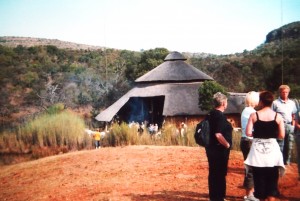
The last 20 kilometres of the run would take us up and down tracks with small stones and gravel, and all I could see here was the risk of falling and hurting myself. Everything seemed rather hopeless right now, on the day before the race.
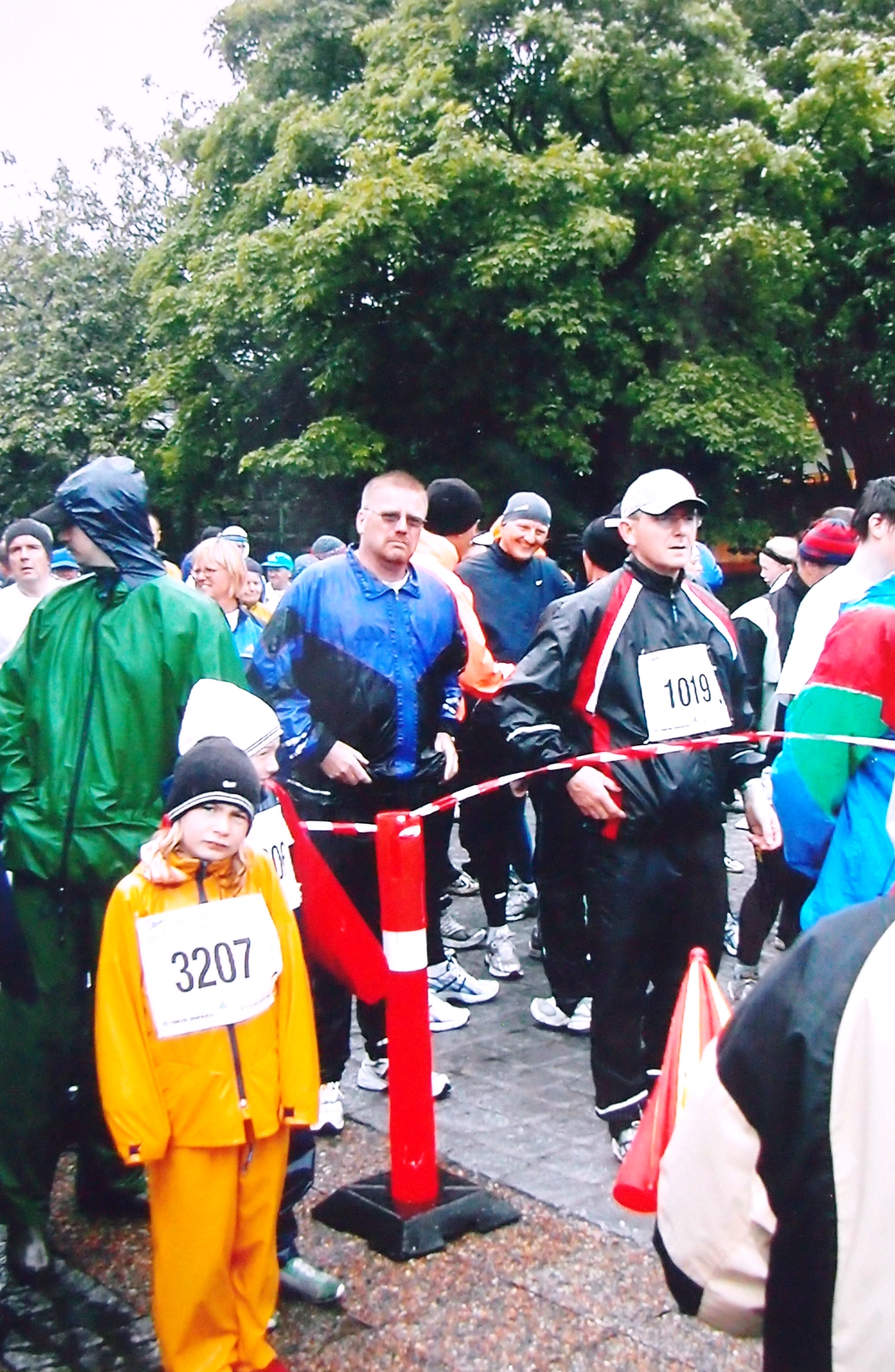
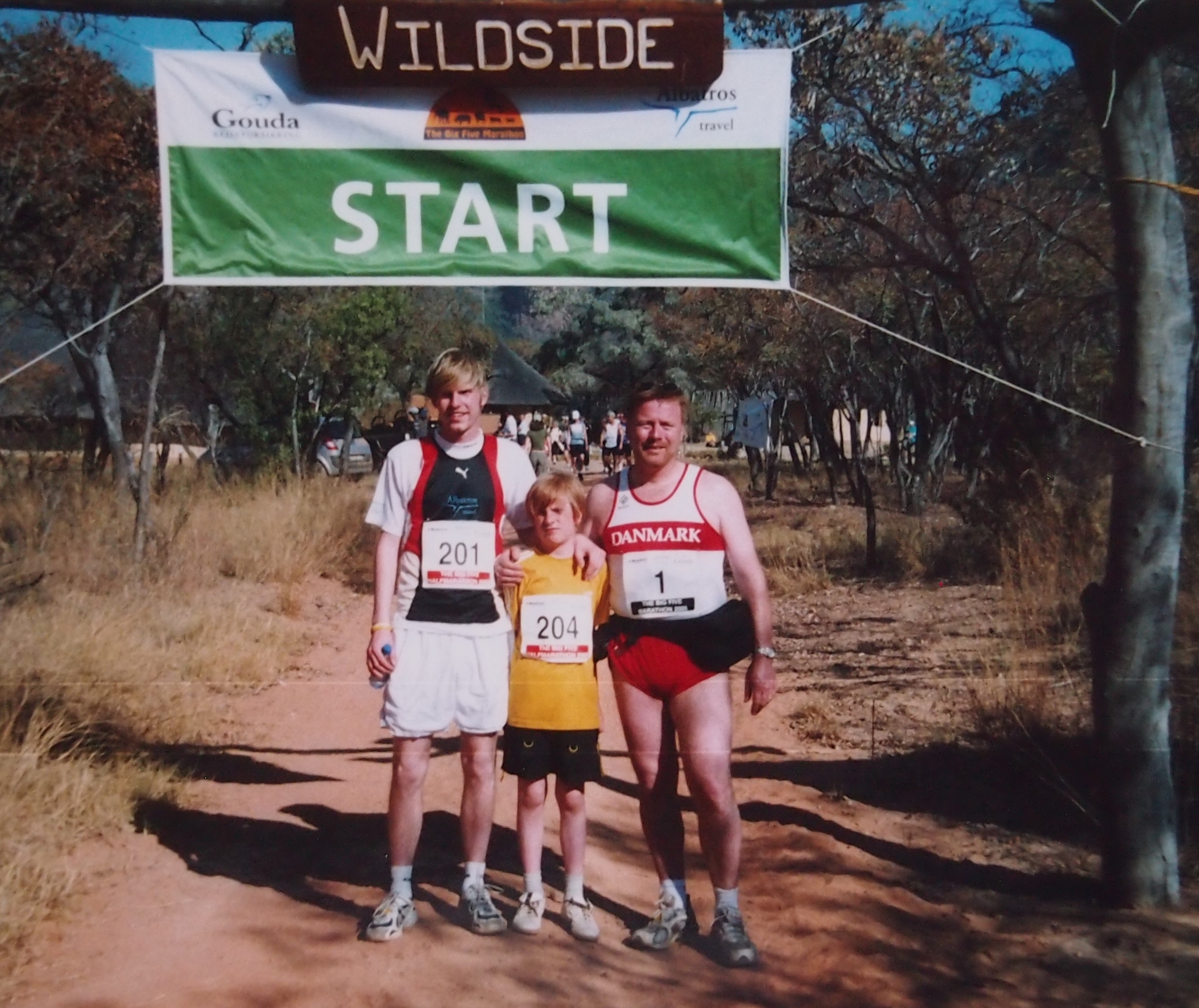
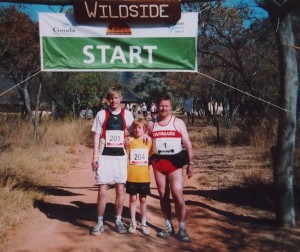
In the finishing area, we were given lunch, after which we got our running numbers. I was given number 1, although I didn’t really feel there was much number one about me at that time. The boys were both going to run the half marathon and were in good spirits.
We had supper that evening in our own camp. It consisted, of course, of pasta and spaghetti, as is traditional the day before a run. We also ended this evening around a campfire.
The Big Five Marathon
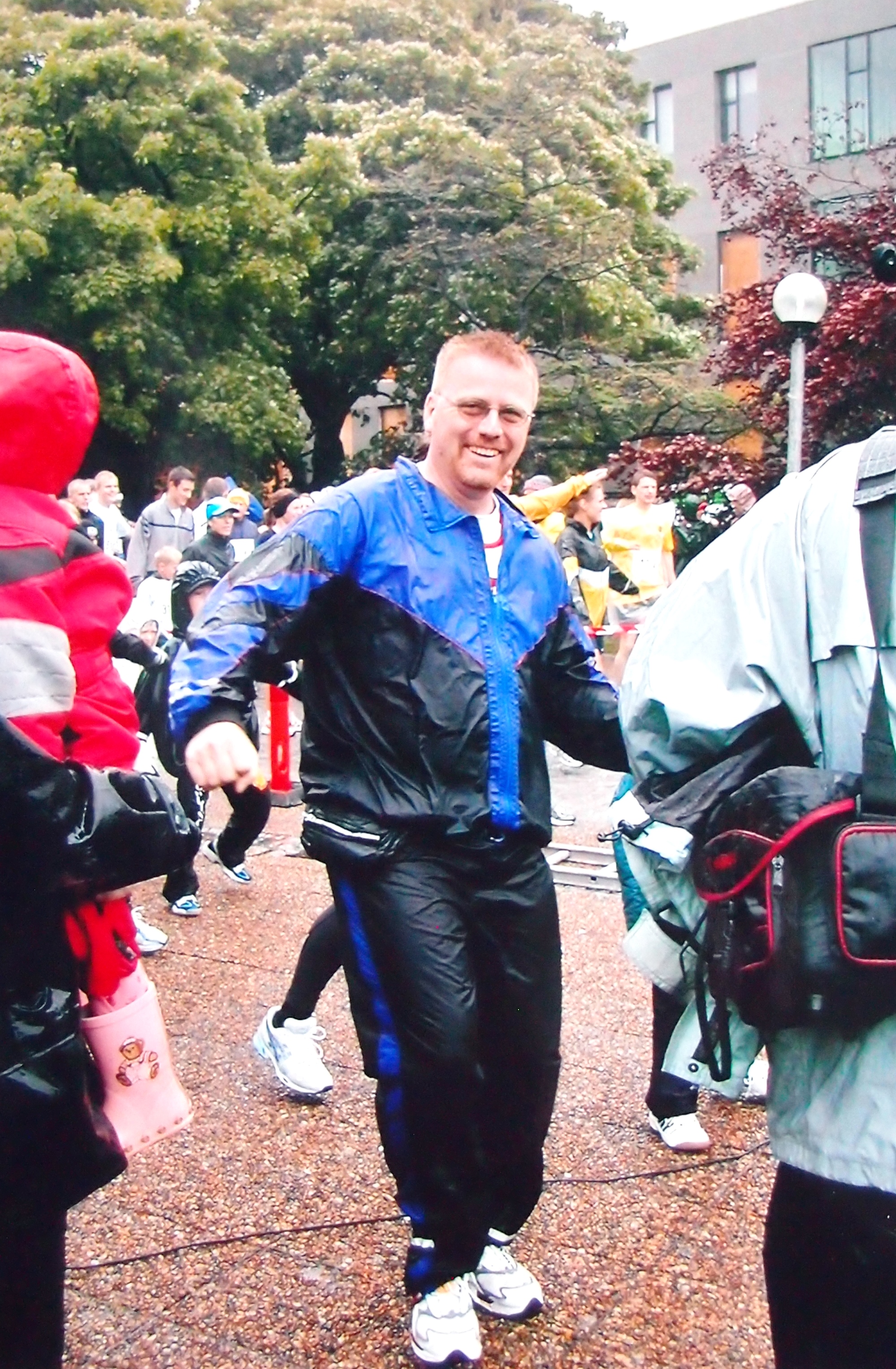
The starting pistol for the first Big Five Marathon was fired at 10 a.m. on Tuesday, 28th June 2005. The first nine kilometres went really well for me. My legs felt good, and I laid the strategy of running slightly faster at the outset to give myself more time later in the run. But after nine kilometres, I realised how serious things were. We were now running in loose sand, which was hard going and took a long time. I was struggling at the back of the field, with only the pick-up vehicle behind us. After a while, I found no consolation in calculating the distance compared to the time limit. I reckoned it would be difficult for me to reach the finishing time.
The dreaded crisis
When I reached the 19-kilometre mark, I met the dreaded hell. The long, steep mountain track I had been fearing was now ahead of me. I struggled to get a move on, now at the back of the field. It was tough, and I hadn’t even got halfway through the marathon.
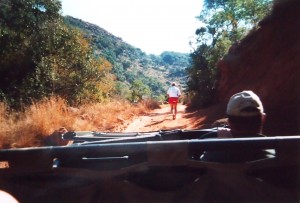
A kilometre further up the track, I got cramp and had to sit down. The ranger in the pick-up vehicle asked if I wanted to drop out. But I didn’t. I continued although it was obvious to me that there was little hope and that I was highly unlikely to finish within the time limit. After a few hundred metres, I had to lie down on the track once again. A runner from the pick-up vehicle, who had dropped out came by and gave me a massage, but I couldn’t get to my feet again. There was no way back. I had to drop out! They got me up and gave me some support, and I almost toppled over the side of the 4×4.
Physical problems
All things considered I was lying very comfortably in the car for a while, but it didn’t last long. I started feeling really cold and was given a blanket to put over myself, but not long after I felt really poorly and had to be sick over the side of the vehicle. All that came up was a little fluid, but I moaned, feeling as though I was about to suffocate. Thankfully, we soon reached the nurse, Karin Rishøj, who got me dressed up warm and gave me some electrolyte fluid to drink, after which I began to recover.
The 4×4 then drove up to the finish, where I was given something to eat. Dropping out for the first time, made me feel very dejected, particularly on a trip like this.
A valuable lesson
The fact that I didn’t finish can still annoy me so many years later. On the other hand, though, the episode was a valuable lesson I would not like to have done without. I am now convinced of how important it is to have the right belief and the right convictions when you set out to do something. This doesn’t just apply to running long distances, but also in all aspects of life. For example, when you set yourself the goal of writing a book about running marathons all over the world! I am now also more aware of the fact that you mustn’t pour more into the glass than there is room for. It has happened again, but then I was aware of why things did not go as I might have wished.
The boys at the finish
It is an ill wind that blows no good. My sons have run a good number of races over the years, but I have never before had the opportunity to meet them at the finish. I had plenty of opportunity to do so that day, which was wonderful.
Steffen crossed the line with a time of 2:45:37. He had cramp and a huge blister which required medical attention. But after a bit of TLC and a massage by the physiotherapist he was soon back in shape. At age ten, Emil was the youngest participant in the run, but he was far from the slowest. I ran the final hundred metres holding hands with him and was both happy and moved. Emil clocked a time of 3:46:47 and a lot of people crowded round him at the finish. He just stood there, shy and modest, saying nothing. But he must have developed quite an appetite, because he rapidly consumed seven sandwiches and had quite a lot to drink.
Animal magic
I had taken a video camera as well as a still camera on the run with me, but had not had the energy to use them. Nor had I seen any animals. The boys had, though. Steffen had seen gnu, a large herd of antelopes and six zebras. Emil had seen six gnu chasing a whole herd of antelopes, as well as a few kudus. Emil said it was a bit spooky standing there on his own with these animals, and he had also found it very boring to run 23 kilometres without any company. And he was quite a little fellow to have sent off to run through the savannah alone.
The drama we didn’t see
For us, running through an area full of wild animals had been entirely undramatic. There had, however, been a cause for panic before the race got underway. As we sat around the campfire enjoying our evening meal, the camp manager told us that the previous evening the rangers had tracked down a pride of lions and kept them at bay, so they wouldn’t constitute a risk to the runners. The lions had again approached the marathon route that morning, and they had had to round them up on foot, so that the run could go ahead in safety.
The twenty-three armed rangers had also been in action during the race itself. Some 25 kilometres along the route, two rhinos had been charging at full speed in the direction of some of the runners. A female ranger observed this potential danger and, taking a lightning decision she forced the rhinos to change course.
Elephants
The day after the run, we were all cheerful and re-energised. Now was the time to think, not of running but of experiences. During the morning, we were picked up and driven to the Earth Song Lodge. From there, we took a helicopter tour of the entire area. It was a tremendous experience to see it all from above and get quite close to the rocky precipices.
In the afternoon, we visited Wildside, where we had coffee and continued on a safari trip and saw a lot of other animals in the area. During one break, we had a “Sundowner” in the form of drinks and snacks.
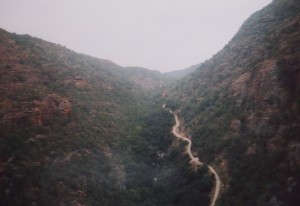
It gradually got dark, but that was no problem when on safari. At one stage, we heard on the radio that there were elephants in the vicinity. We drove to the location, and after a while we could hear the elephants crushing trees and bushes, but we couldn’t see them. Shortly after that, however, we could see an elephant in the bushes through the 4×4’s spotlight, and soon all of them had come out and were walking along quite close to us. We followed them in 4x4s at a distance of about 15-20 metres. All seven elephants were there, and as we watched, two of them hugged each other with their trunks, and we heard their tusks knocking together. We also saw a baby elephant, not even a year old. At first, being so close to such large and potentially dangerous animals had given us “butterflies” in our stomachs, but we soon became comfortable with the situation.
Gala party
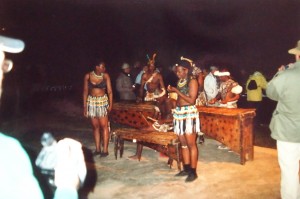
As per tradition, there was a gala party to celebrate the marathon. It was held in a tent at Lakeside, but the tent was of the open variety, and it got very chilly, which rather ruined the fun. A huge buffet supper was served, with different kinds of hot and cold dishes. This was followed by the award ceremony, with prizes for the fastest categories and BT-watches distributed according to Peter Fredberg’s choice.
Because it was so cold, we soon found the way back to our camp and warmed ourselves by the fire with a cup of coffee before retiring.
Local life
Thursday morning began with a safari, and we caught a glimpse of a hippopotamus in the water. But it quickly dived back under again. Otherwise, we didn’t see anything on this drive, which was a bit of a disappointment.
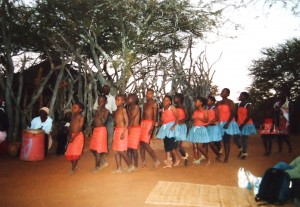
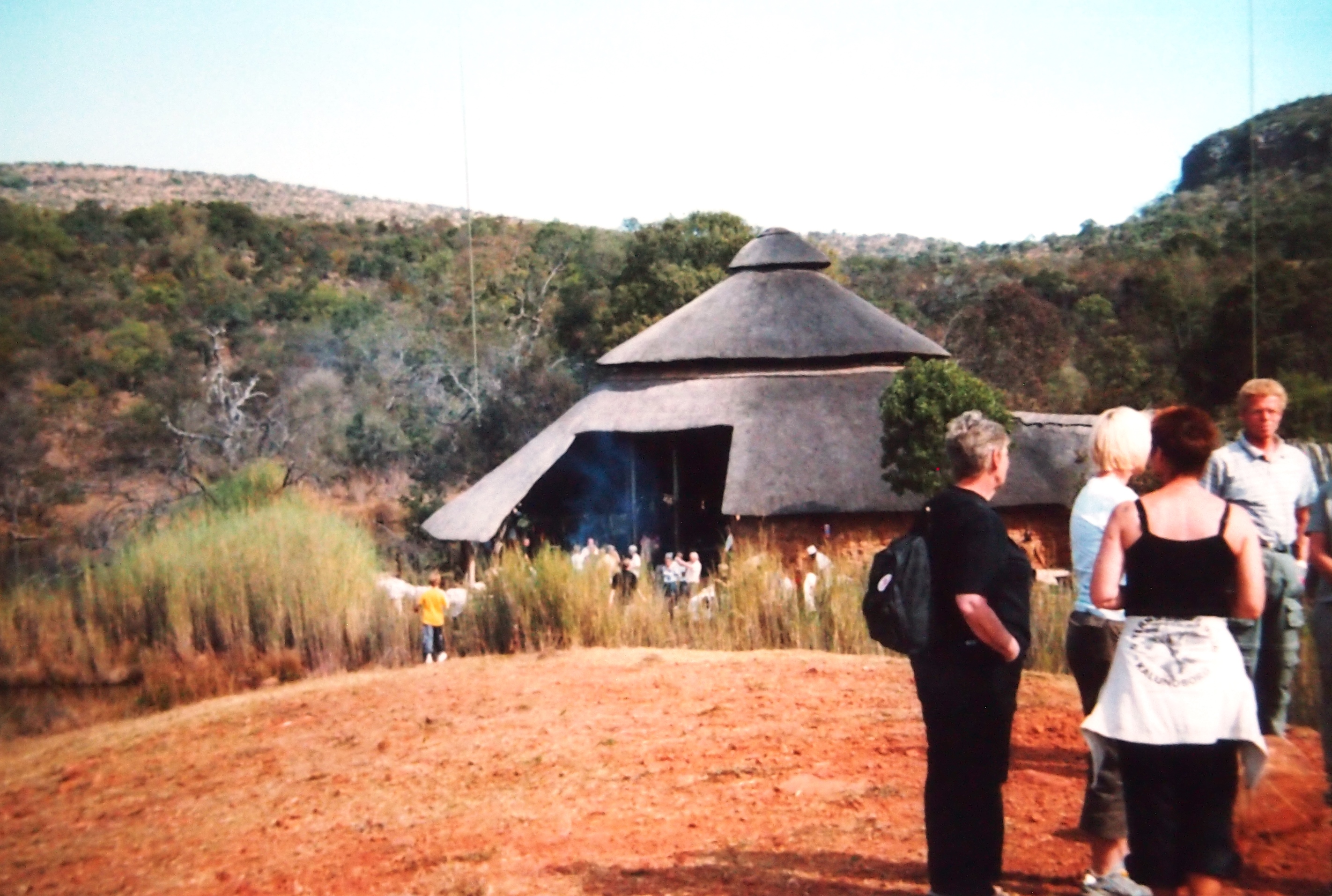
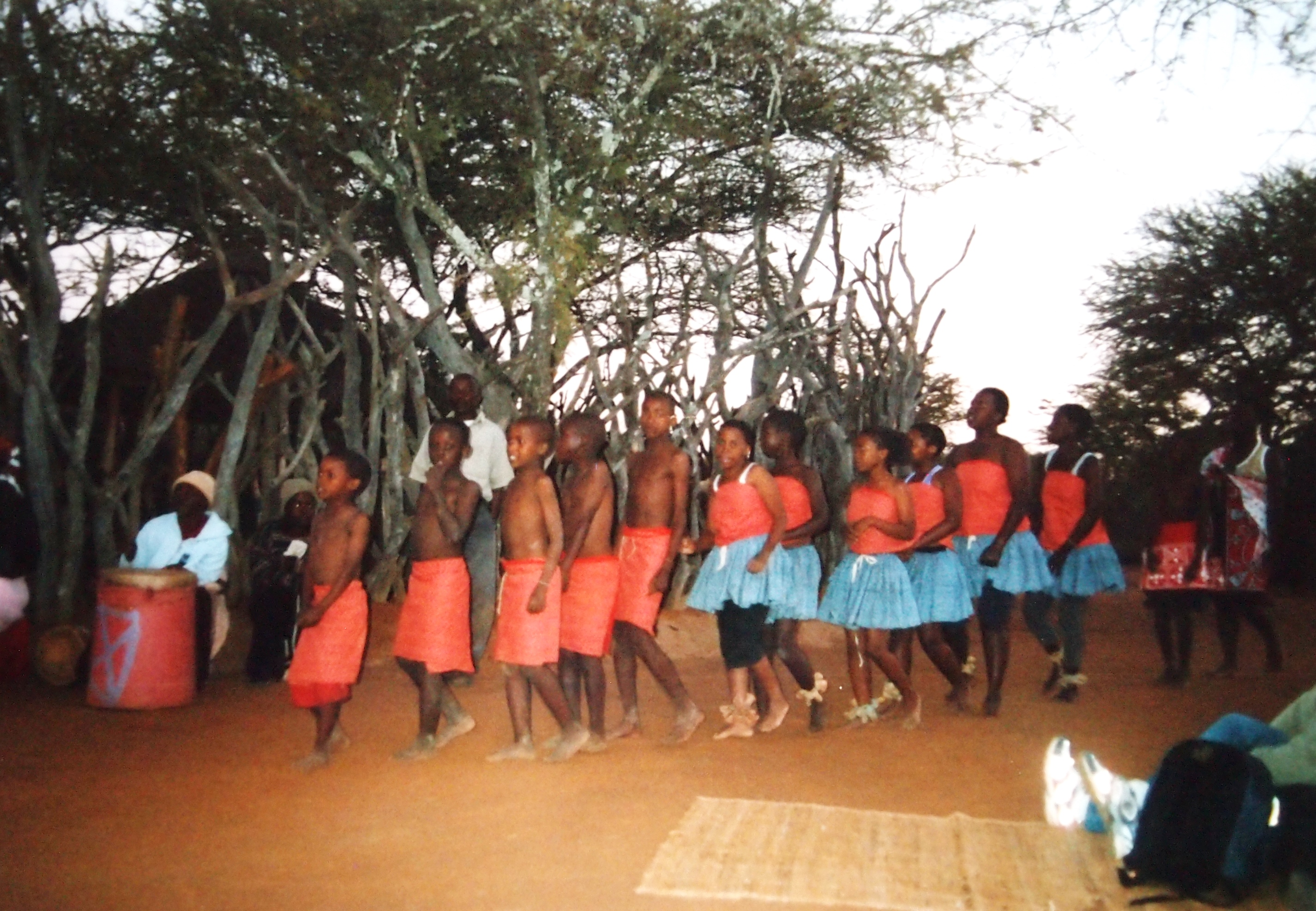
Afterwards, we relaxed for a few hours in our camp before visiting the village of Pedi Bush. Our visit began with a historic tour, where we were told about how the huts had developed over the last 300 years. We saw huts from various eras, the doors of which were proof of the fact that the population had grown tremendously in height over the years. We also heard about how they had lived off the surrounding countryside and had had to defend themselves from lions. The local marriage culture was still such that a man could acquire three wives for 15 head of cattle apiece. He had his own hut, and the wives had theirs. The man slept alone in his hut until around midnight, after which he chose a wife for the night.
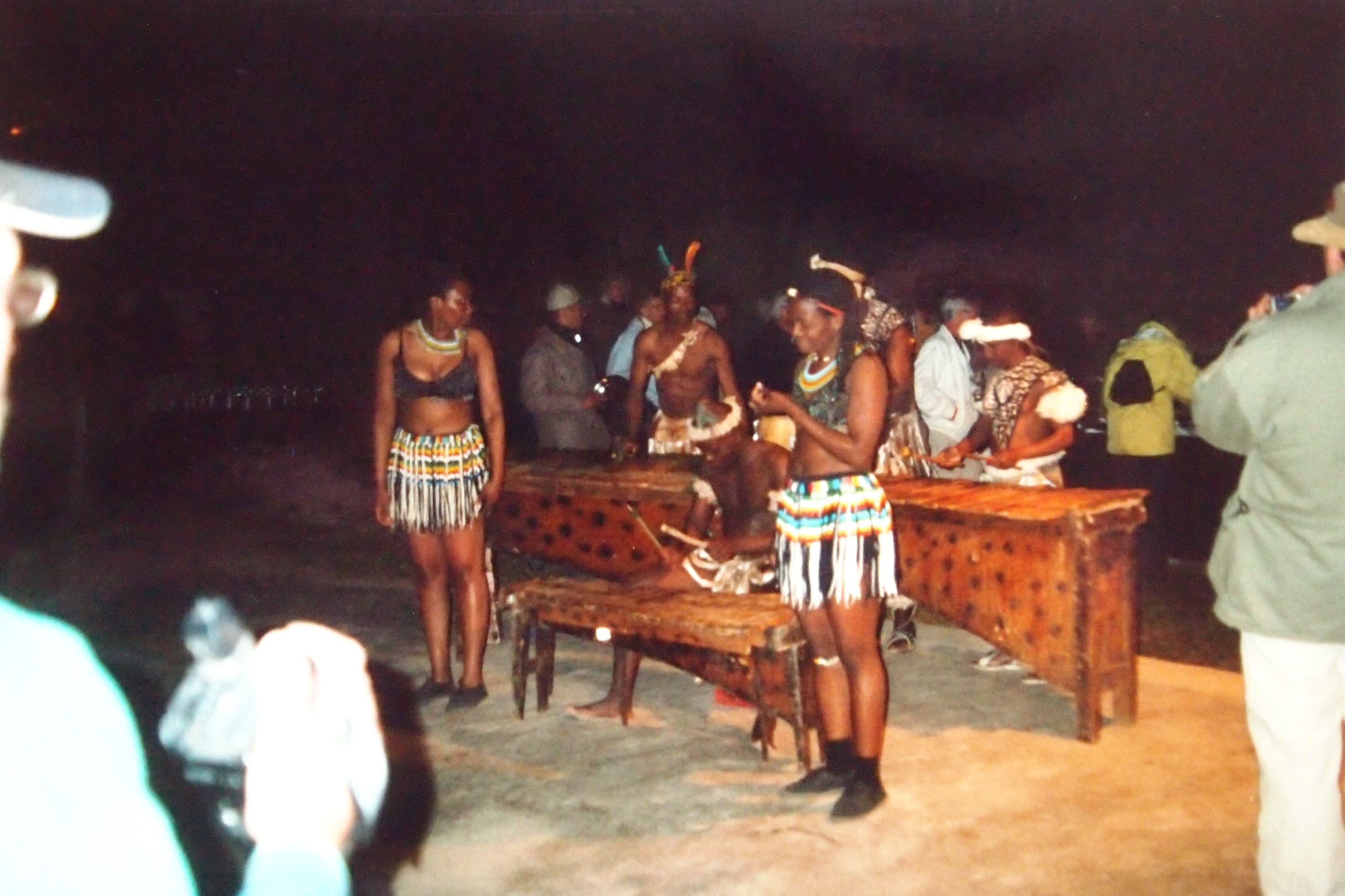
We ate supper together with the dissidents from the other groups along with the organisers and members of the press. We had delicious grilled lamb with salad and garniture. During our meal, we were treated to local musical entertainment, which was excellent to begin with but got a bit tedious after a while.
The best safari experience
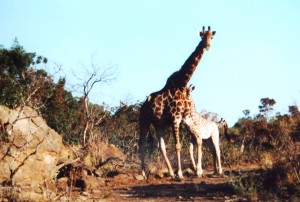
On the last whole day at the camp, we were left to our own resources until after lunch, when we went on the best safari trip of the week. Soon after we arrived in the area, we already met four hippos grazing at the edge of the water. We drew up quite close to them and were able to photograph them unhindered. It was absolutely fascinating to get so close to these animals and watch them saunter past us. These colossal beasts looked quite harmless, and it was difficult to imagine that, with the exception of the malaria mosquito, it is precisely the hippopotamus, which kills most people in Africa.
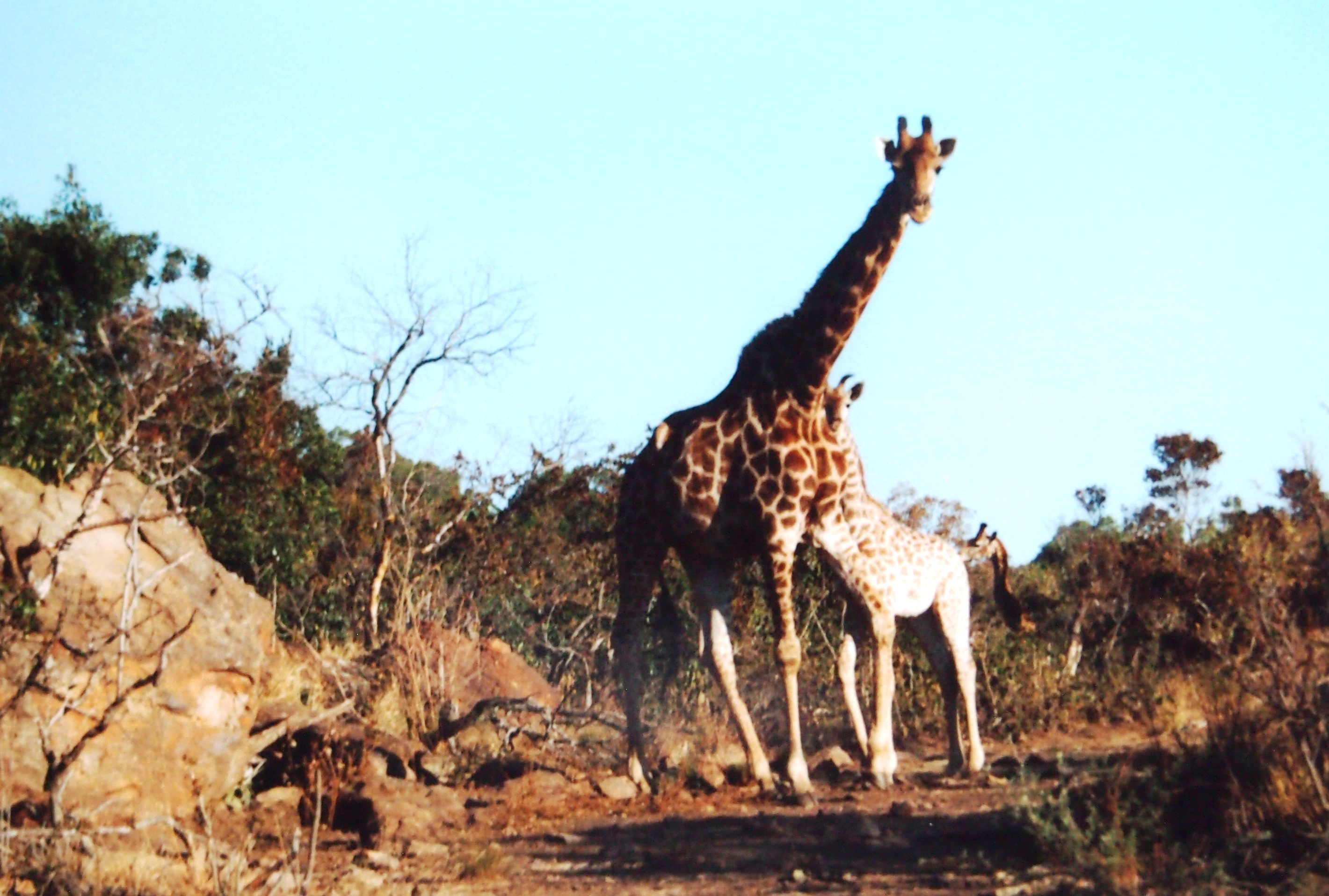
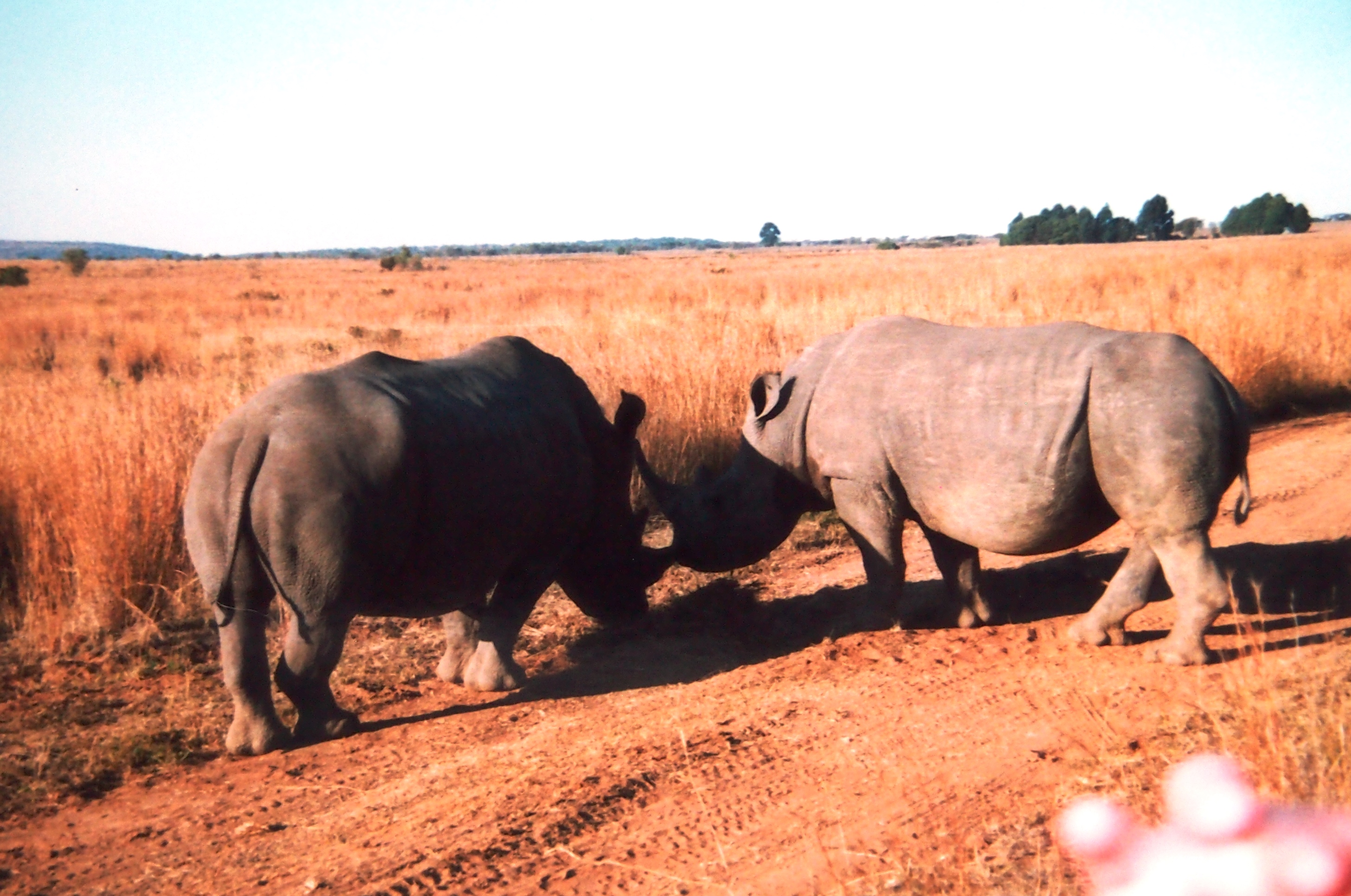
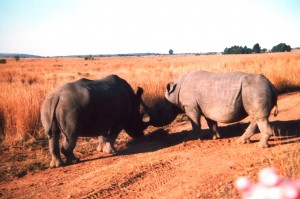
Not long after, we met two rhinos in the middle of the road. We stopped to let them pass just a few metres from our vehicle. Later, five giraffes passed us by. The icing on the cake would have been to see elephants, but on that day we saw none. One of the other vehicles had spotted elephants and called us over the radio, but they had gone by the time we got there.
Farewell
Saturday 2nd July was departure day for all the groups. Our group split up because a number of them were headed on an additional tour to Victoria Falls on the border between Zambia and Zimbabwe. Our family also split up, and the boys and I were headed for Denmark, where we arrived some 24 hours later after a long bus trip and a transit stopover in London.
Thoughtfulness and mixed feelings
This trip and the marathon still rumble about in my head all these years later, and I reminisce with mixed feelings. Going to the Entabeni Game Reserve and seeing all the wild animals from the back of a 4×4 was a terrific experience, of course. But as far as I remember, the fauna and experience in the Lake Nakuru National Park in connection with The Karen Blixen Marathon in Kenya were far superior. Horrible experiences as a soldier have a habit of becoming sweeter overtime, but that is not the way I feel about the nights spent in Pedi Bush, the gala party in an open tent and the evening trips by open 4×4. It was bitingly cold, and I do not think back with much pleasure to that trip.
When I sprained my ankle in Switzerland in 2003, I immediately decided that I would return. That never occurred to me in South Africa.
Along with my rather negative thoughts about the physical conditions, it still annoys me from time to time that I didn’t complete the run, not least because I have finished all the other Adventure Marathons. I have regularly considered the idea of returning to South Africa to finish The Big Five Marathon, because it was the nights, the wildlife and all the cold nights that had given me my ambivalent attitude to the place. Common sense tells me that it is all due to the fact that I wasn’t in the right place at the right time that midsummer in 2005.
The Big Five Marathon is here to stay. It has been run every year since the first time, which goes to show that the run and the trip are considered to provide full quality by marathon runners and tourists from all over the world. But there are many runs in the world I would like to investigate, so it is all a question of priorities. I would, however, not entirely counter the idea of returning to run The Big Five Marathon.
Buy the book here.