


A combined trip
When I ran the 24-hour run in Viborg in 2001 together with Rolf Bücking, he had spoken warmly of the Swiss Alpine Marathon, which he had previously run. It was the only marathon in the world he would consider going back for, he had said. I had also heard about the run from other sources and was beginning to get interested.
I, therefore, decided to ascend the Alps in 2002 and combine the marathon with the boys’ and my own summer holiday. We had a very nice tent and some good sleeping bags from the weekend in Viborg, so with memories of my childhood in mind, I decided that we should go camping. I asked the boys what they wanted to see, and their wish list involved visits to a number of countries. Steffen was a footballer, and he wanted to see some of the big, famous football stadiums. So we decided that this trip would be a combined one.
Brave New World
Our European tour started on the morning of 15th July 2002. We had no precise plans for the trip, although we had reserved rooms at a hotel in Davos in Switzerland for 26th July. Time would tell how much we would manage to do before that. I had booked a hotel in Davos in order to have a comfortable night before and after the run. Pivotal, however, was the fact that I had discovered that there were no camping facilities anywhere near the town.
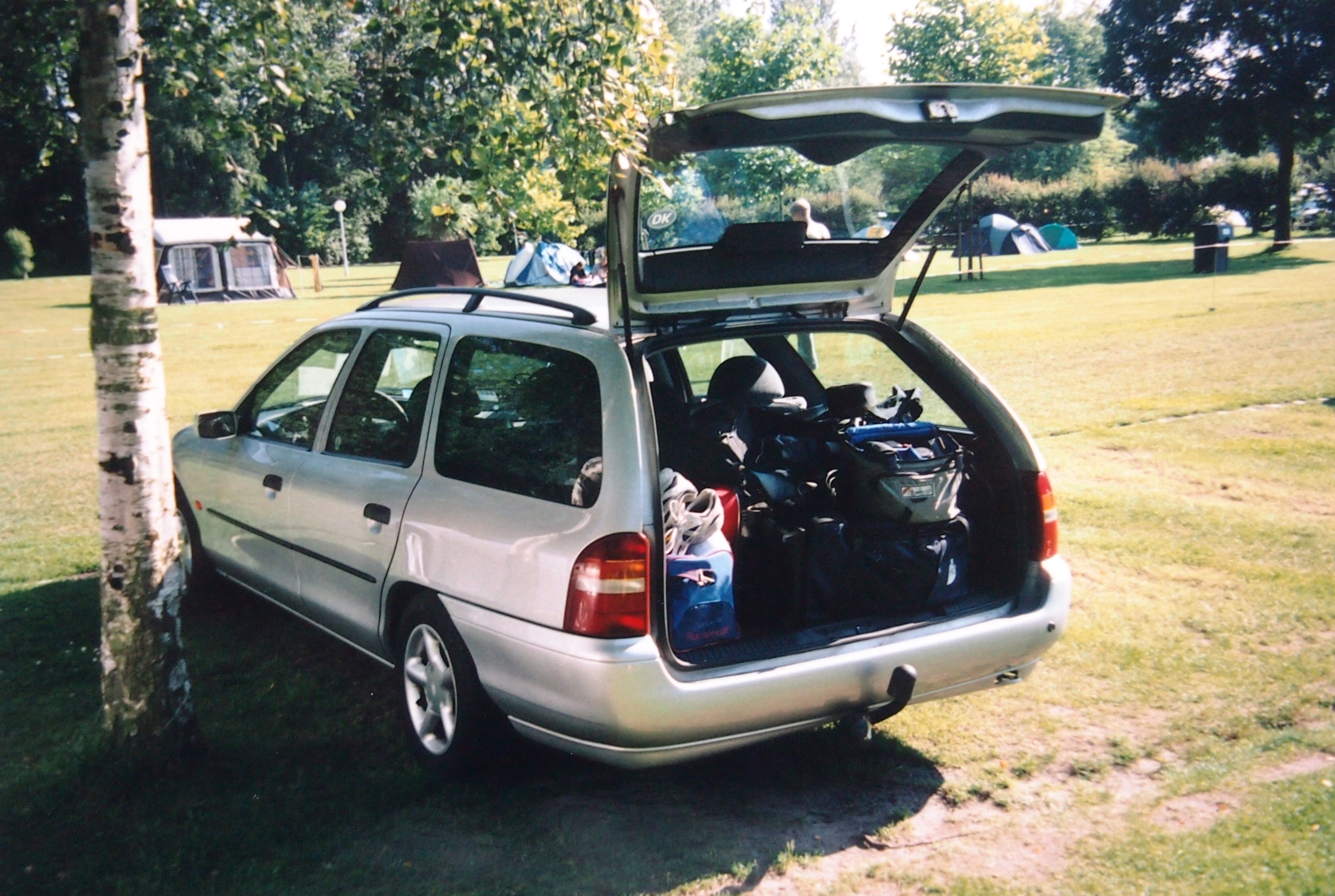
That spring I had invested in a rather elegant, expensive sat-nav system for the car. This would now be put to the test on its first major trip. At that time, this was very Brave New World. It wasn’t the kind of little device you could put in your pocket, but a large system with a rigidly mounted screen and a cabinet with a slot for DVDs containing country maps. We had maps for each different country and had to change the discs as we went along. The system also had a screen for the back seats so the boys could follow our route although they could also enjoy videos and games.
Arrival in Amsterdam
From Rødby Havn, we sailed to Germany, which we drew through without a hitch. The GPS system messed us about a bit, but we found out how to adjust it, so that it would show us the best available route.
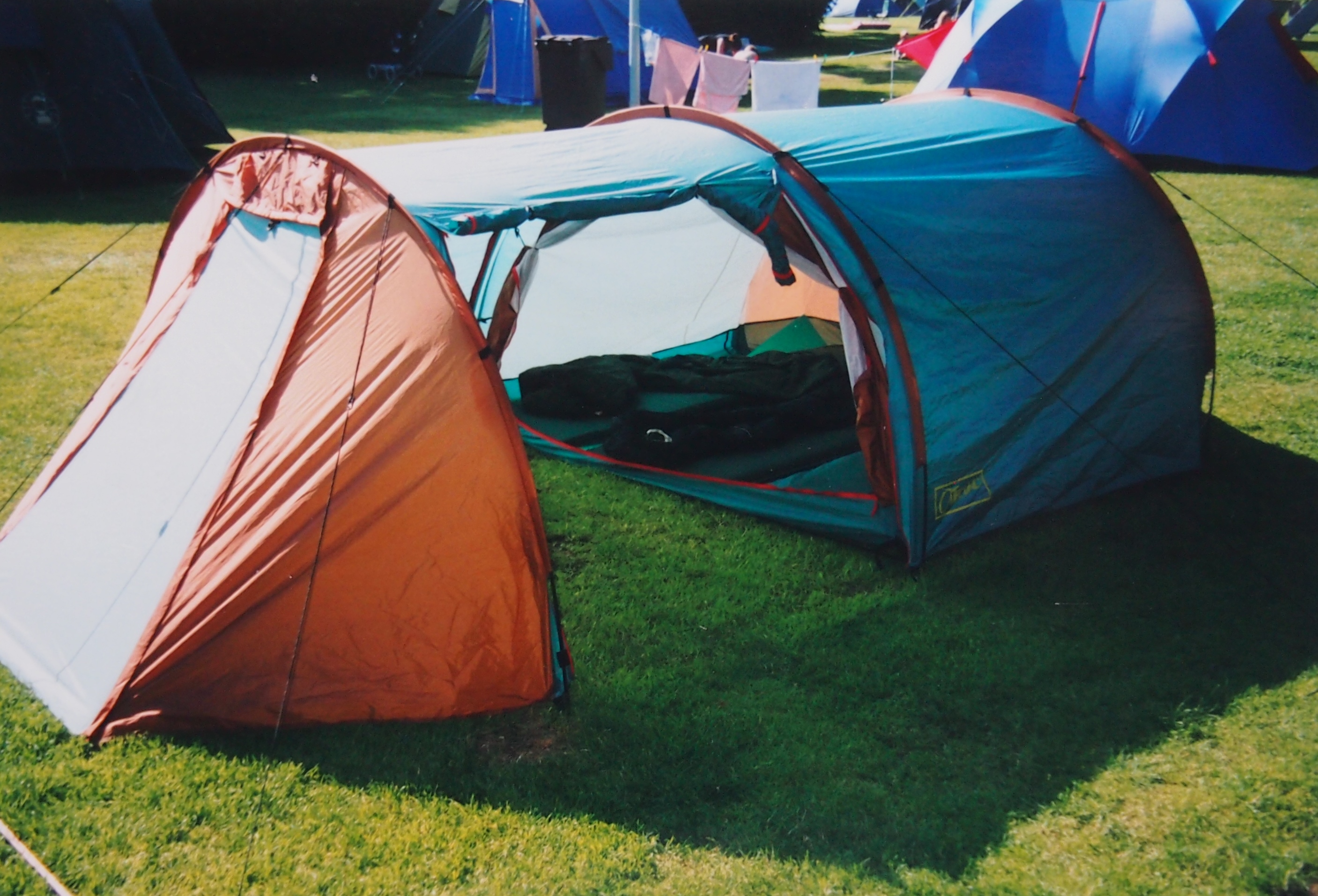
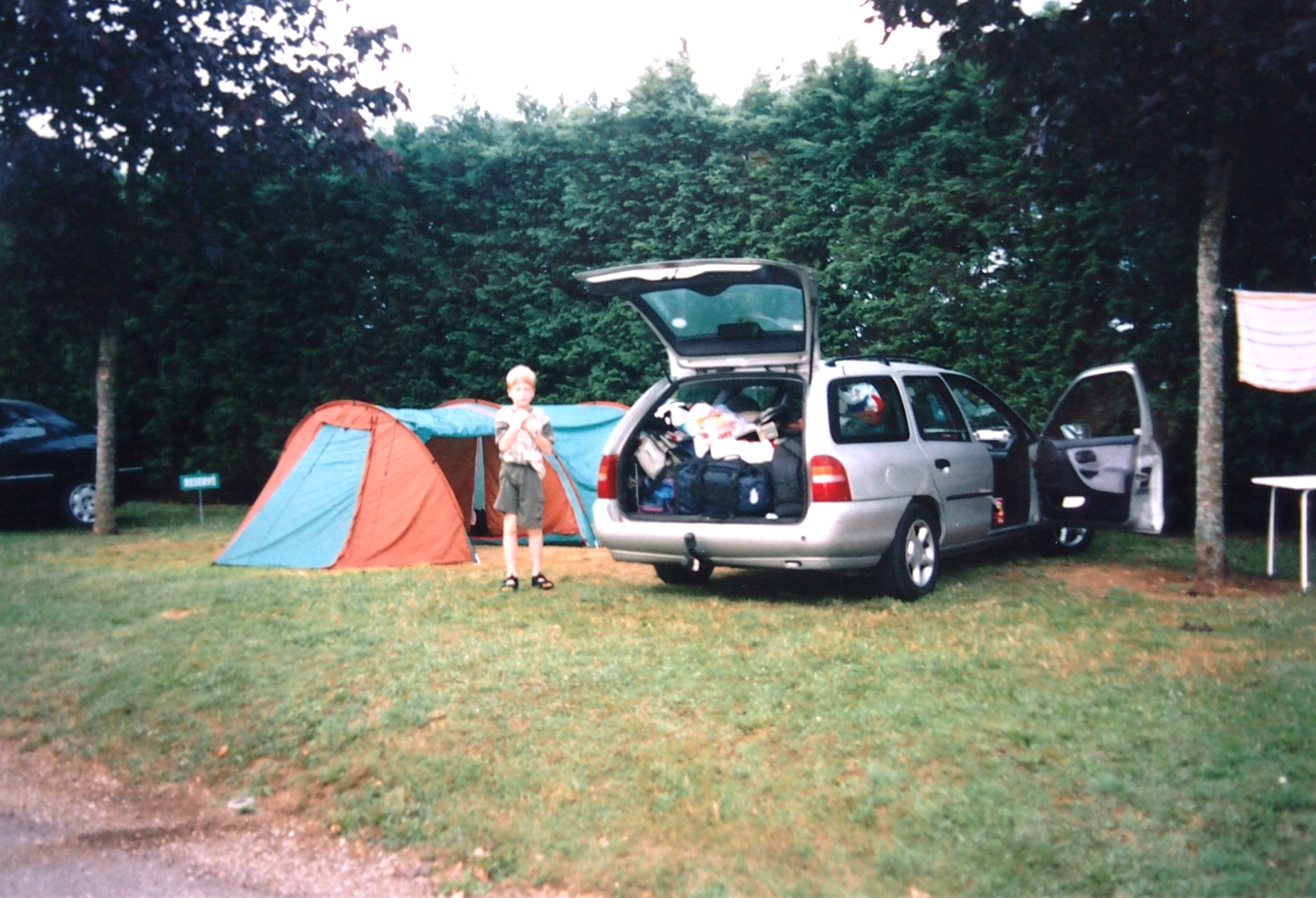
We arrived in Amsterdam late in the afternoon in the most glorious summer weather imaginable and found our way to Gaasper Camping. We put up our tent and spent the rest of the day enjoying the campsite and its excellent facilities.
Amsterdam
After breakfast on the Tuesday, we walked to the nearest Metro station, from which we could get to the huge Amsterdam Arena, home of the great Ajax Amsterdam, and only had to change trains once.
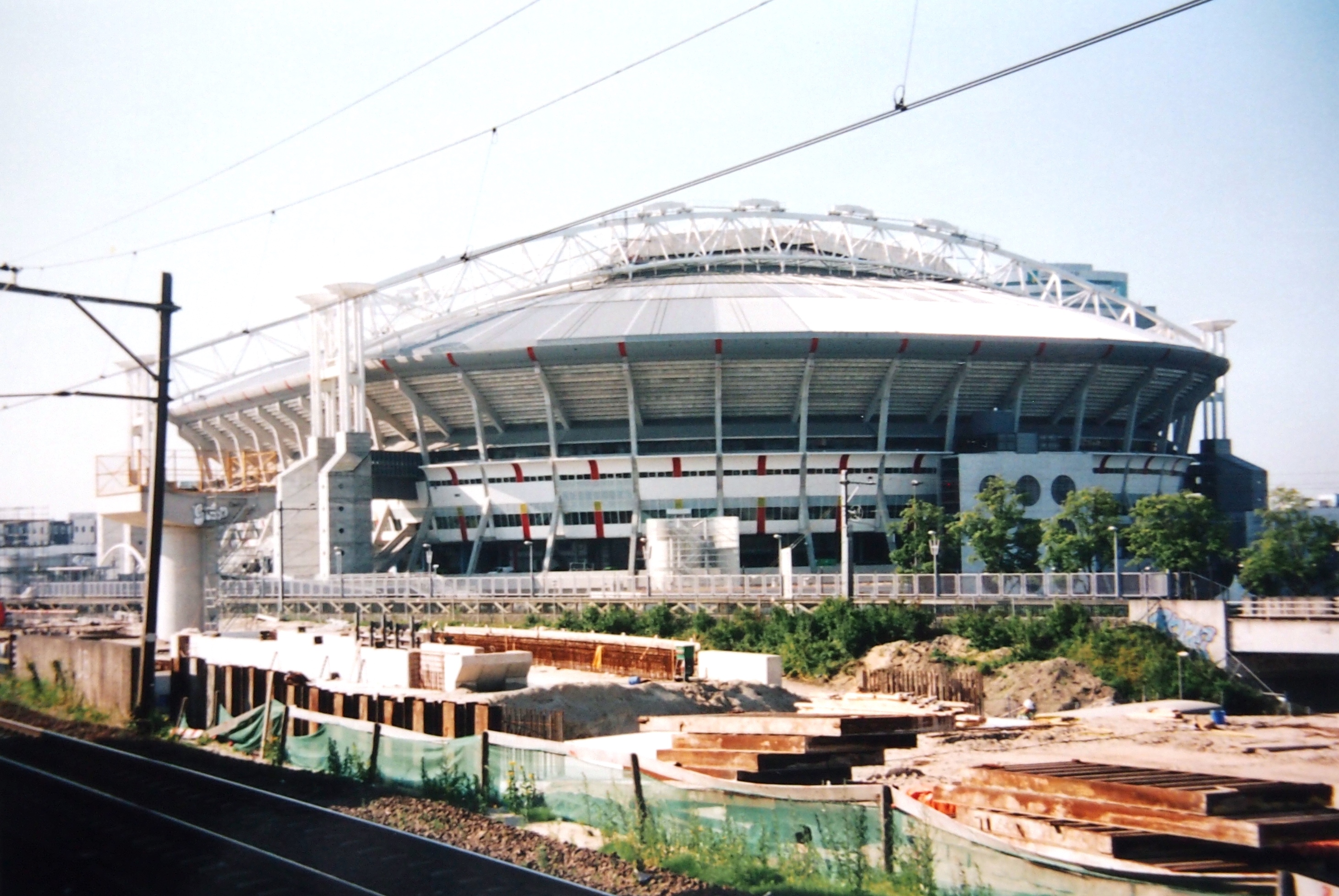
Ajax Amsterdam was founded in 1900 and has been the most winning club in the Netherlands over the years. In the early 1970s, the club experienced a period of greatness, winning the European football Championships three years in a row.
At the stadium, we did a bit of shopping in the souvenir shop and had the opportunity of seeing the first team start its morning training session. We didn’t get to see much of that, though, because we were on a guided tour of the entire arena.
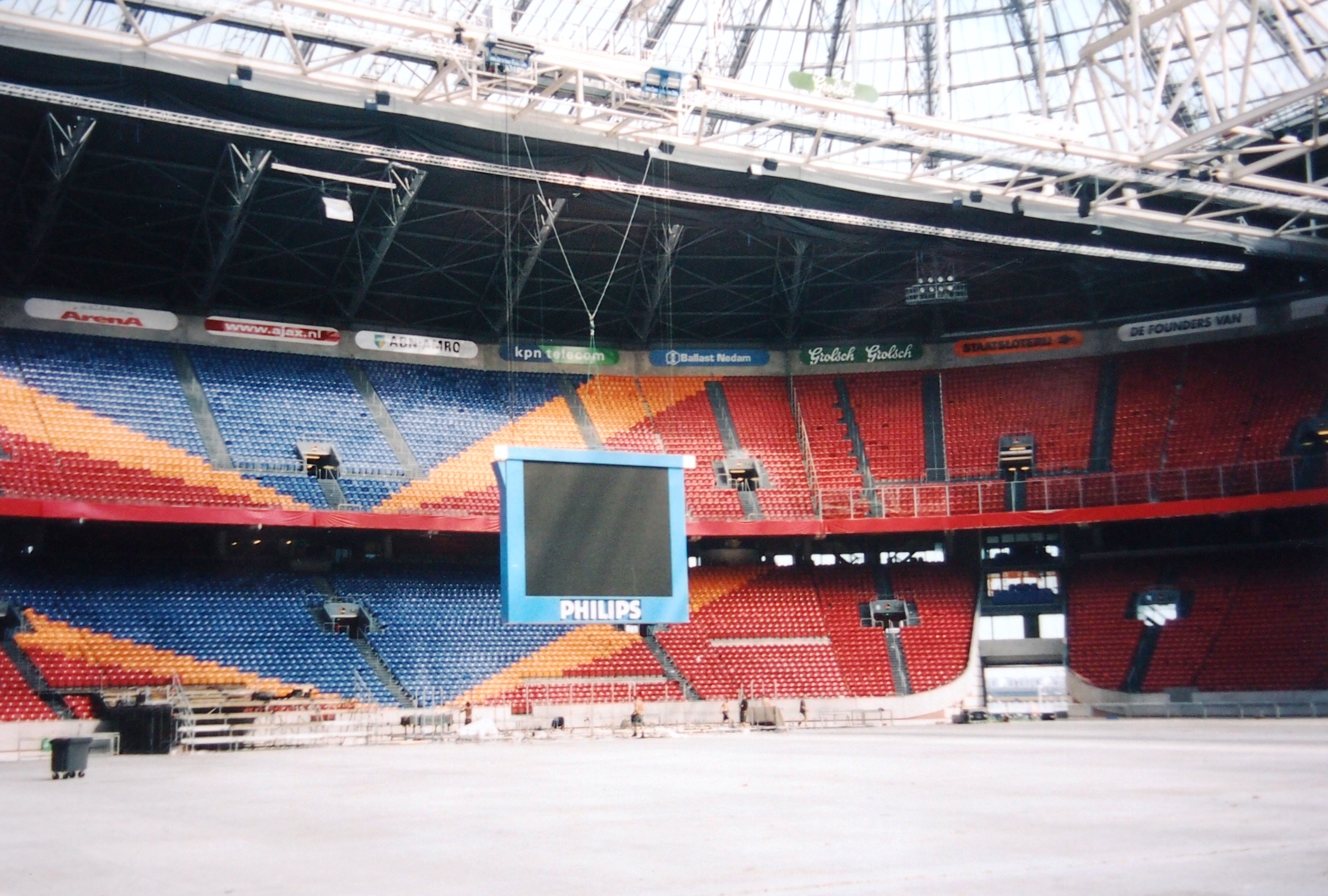
And we saw more or less everything – the control room, press box, press room and even the turf. You couldn’t actually see the turf that day, though, because it had been covered with a temporary layer of concrete to protect it from builders who were at work. At the same time, the place was being cleaned. There had been a big party there on the Saturday night, with 35,000 revellers enjoying music and dance. The pitch is covered for such events, and the roof is rolled closed across the arena. We were told that this had to be done bit by bit over a period of half an hour because so much electricity was needed that the whole area would otherwise be starved of power. This fascinating guided tour lasted almost two hours.
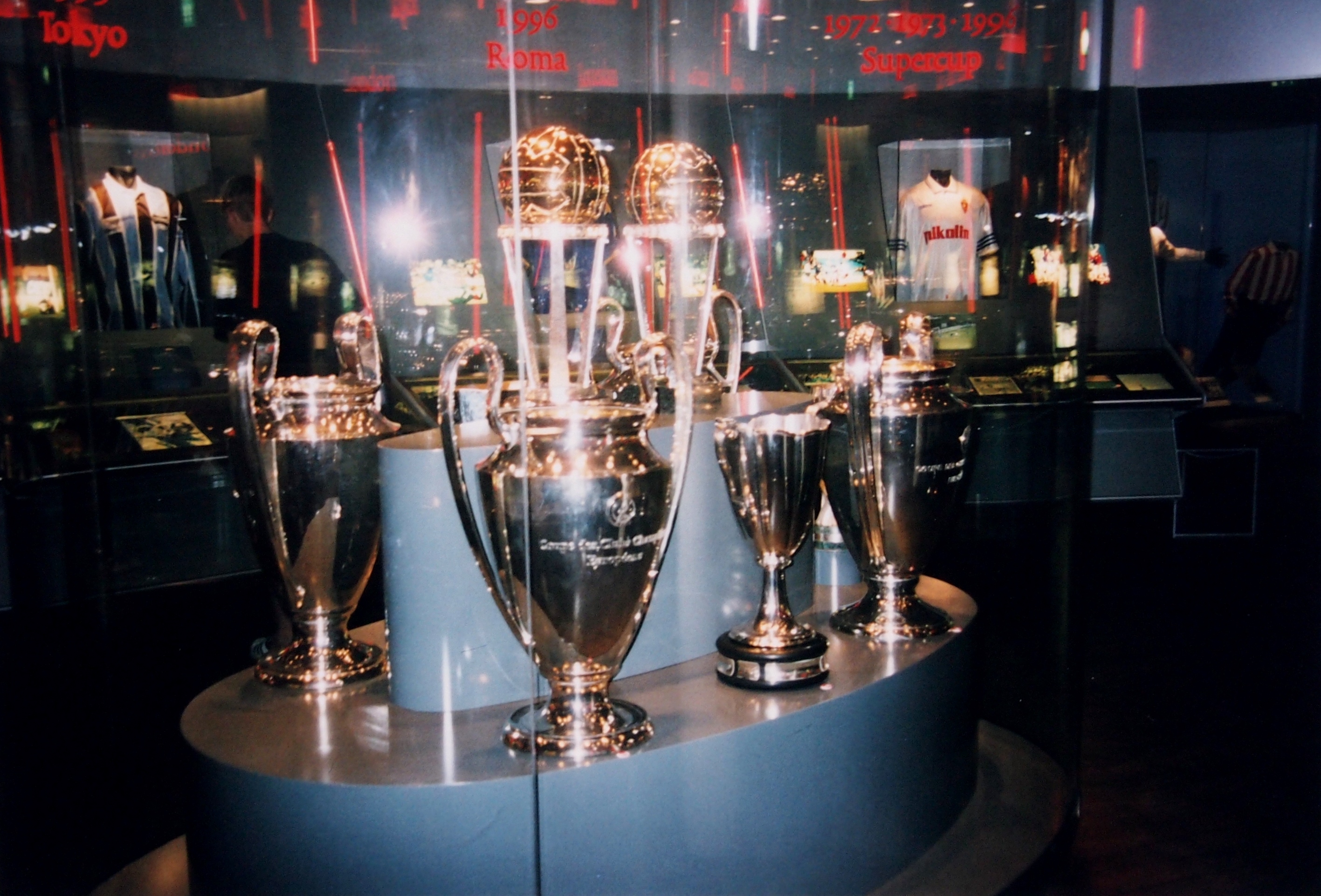
Afterwards, we visited the club museum in the same building. This was also rather interesting. There were photographs, films, jerseys and much more from the club’s entire history. The most impressive thing was a sealed armoured glass case containing important trophies. This included four giant trophies for victories in the European Championship and two for world championship team competitions.
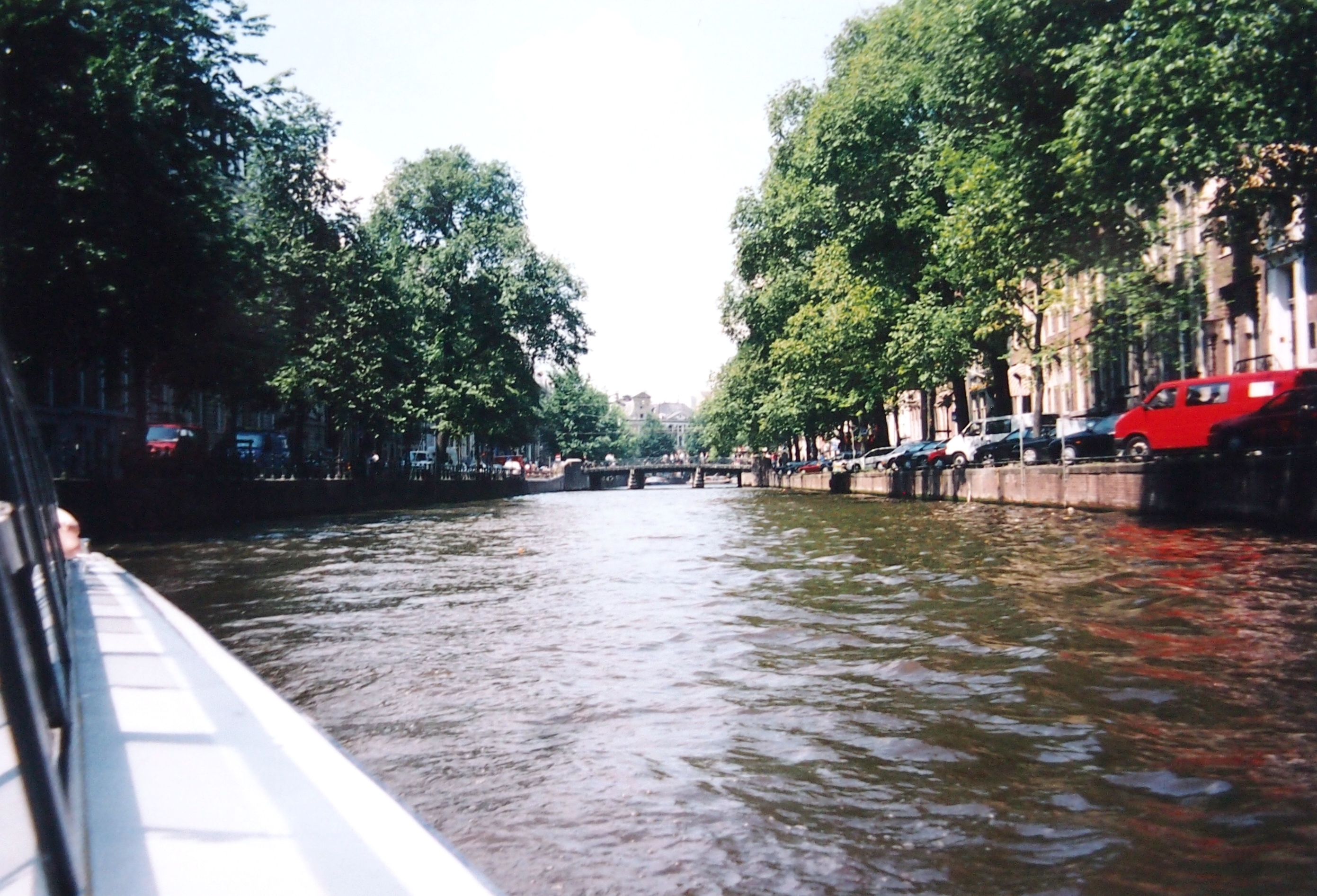
We spent the rest of the day in town, where we, among other things, enjoyed a tour of the city’s impressive canals.
Flying visit to Benelux
We spent most of Wednesday on the road, with the odd stop to eat and have a look around. Almost without realising it, we had driven through Belgium and then Luxembourg and arrived in France. Here, we had trouble finding a campsite, but finally succeeded in the town of Santenay. It was a nice site with an excellent restaurant. Yet another day of pleasant experiences had come to an end.
Detour via Andorra
Thursday 18th July was much longer than we originally imagined. We had packed our tent and our luggage and had breakfast so as to be ready to leave Santenay at 8.15 a.m., reckoning on arriving in Barcelona in the late afternoon. On the way, however, we decided to fit in yet another country and headed for the little Duchy of Andorra in the Pyrenees between France and Spain. As far as we could see from the map, this visit would not involve much of a detour. We couldn’t have been more mistaken.
We headed for Andorra along winding mountain roads full of bends and in poor visibility. It didn’t help matters that we on several occasions, had to crawl along behind tractors and cars pulling caravans. But it was a beautiful drive and altogether a wonderful experience. We finally arrived in Andorra and entered the cosy coastal town of Pas de la Casa, where we made a stop to take pictures and write postcards.
The road to the town of Andorra, although not as bad, was at least as slow, and things got really bad as we got closer to the town. The traffic had more or less come to a standstill, and we crawled slowly forward. The police stood there directing the traffic, which took turns coming from each its own direction. This took ages, so we decided not to stop in Andorra. It turned out that, from here, it was all 200 kilometres to Barcelona, whereas we had reckoned with a quarter of that distance at most.
Accommodation problems
The next problem was that according to our camping guide, there was no campsite in Barcelona, so we had no destination to head for. By the time we reached Barcelona, it was nine thirty in the evening and, because we didn’t expect to find a campsite open after 10 p.m., we had to get a move on.
Having not immediately found a campsite we drove into the city centre to find a hotel, but that wasn’t easy either. Most of the hotels were fully booked, so it took us quite some time to find one that wasn’t and could set us up for the night. We ended up staying the night at the Hotel Reding, which was expensive. But we had no alternative.
Camp Nou
Friday morning, we drove out to FC Barcelona’s home ground, Camp Nou. Along with Real Madrid, FC Barcelona (aka. Barça) is the dominant club in Spain. Established in 1899, the club won its first Spanish Championships in 1928-29. It is almost a sensation when very rarely one of the two major clubs does not win the national championships. Both clubs are also among the leaders on the world stage.
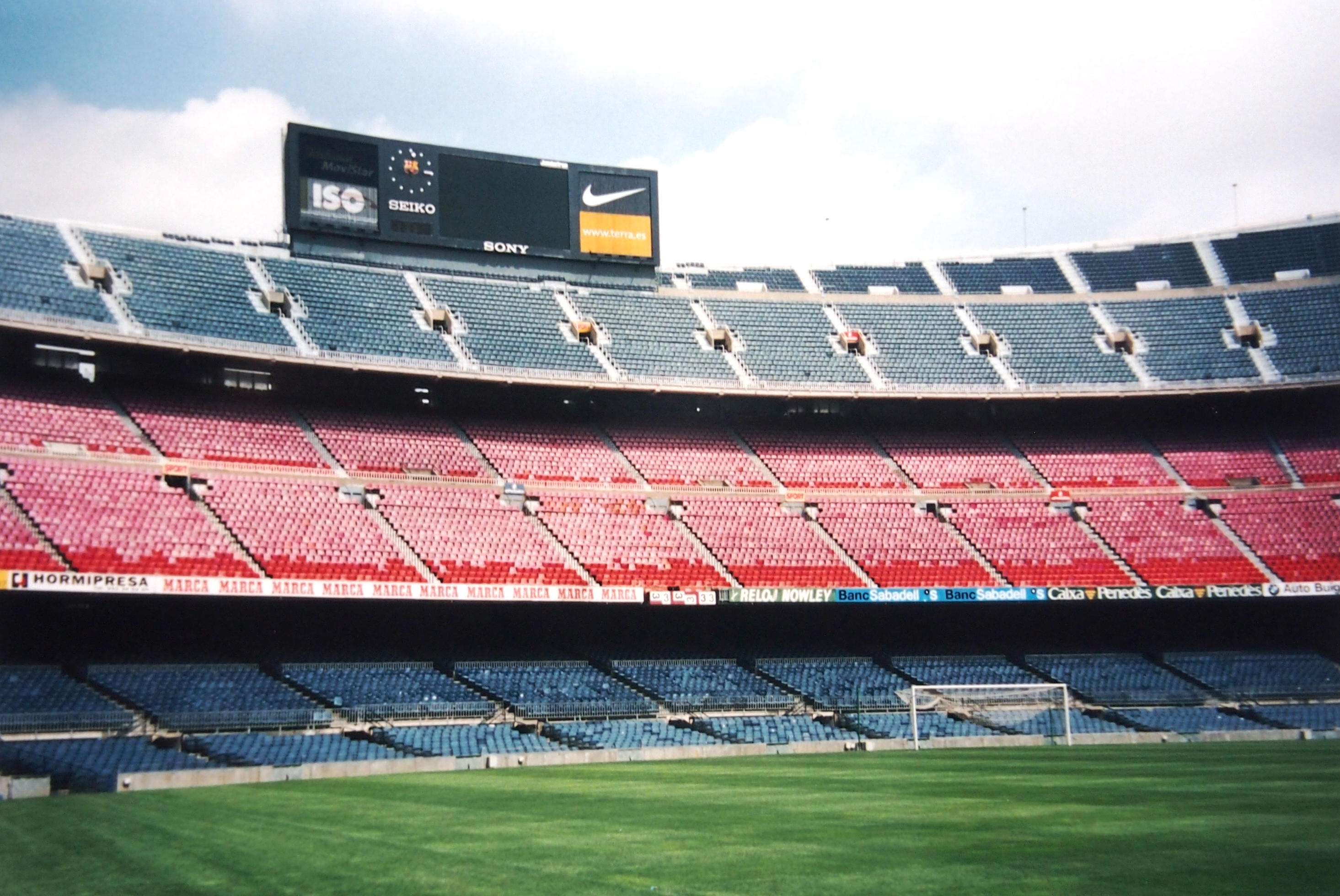
Parken in Copenhagen and the Amsterdam Arena together have fewer seats than Camp Nou, which tells you something about how huge the stadium is. And huge it was, too. Across the street lay another stadium, Mini Estadi, home to Barça’s reserve team. This says something about the giant we were visiting. There were several sports facilities in the proximity of Camp Nou, and it said FC Barcelona on all of them. Although FC Barcelona is best known for its football team, the club has numerous other sports. Their handball and basketball teams also belong to the world elite.
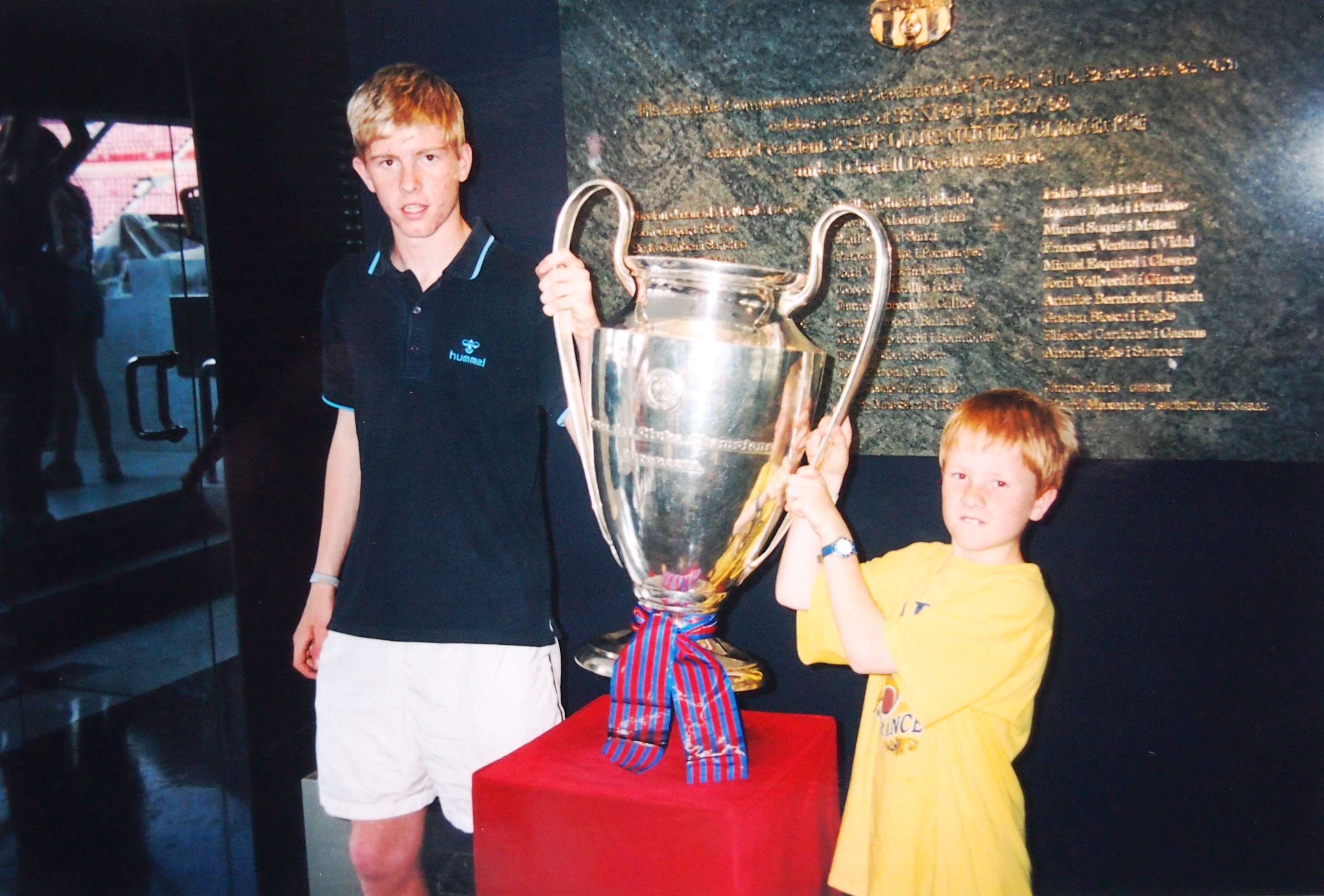
There was a long queue of people waiting for the guided tour, which had not been the case in Amsterdam. But it was exciting and fascinating to see the giant stadium, which has enough room for 100,000 spectators.
Like in Amsterdam we were shown round a variety of facilities. Here we were also given the opportunity to see a changing room, though this was not the “holy of holies”. We saw the one reserved for visiting teams.
FC Barcelona’s Museum was also much bigger than the one in Amsterdam. It also had sections for other sports, although those dedicated to the football club were enormous. It is impossible to describe how many trophies the club had on show.
Disappointing eating options
As in France, it was also a challenge to find a campsite here, though we did ultimately succeed. We set up a tent and then headed for the city centre to do some sightseeing and shopping and to get something to eat. The latter was something of a disappointment. We simply could not find a cosy restaurant with a good menu. We ended up with spaghetti and pizza, but maybe we were just in the wrong part of town.
We were pretty tired by now after several days packed with activities, so we found the way back to our campsite and got a good long night’s sleep.
Yet another disappointment
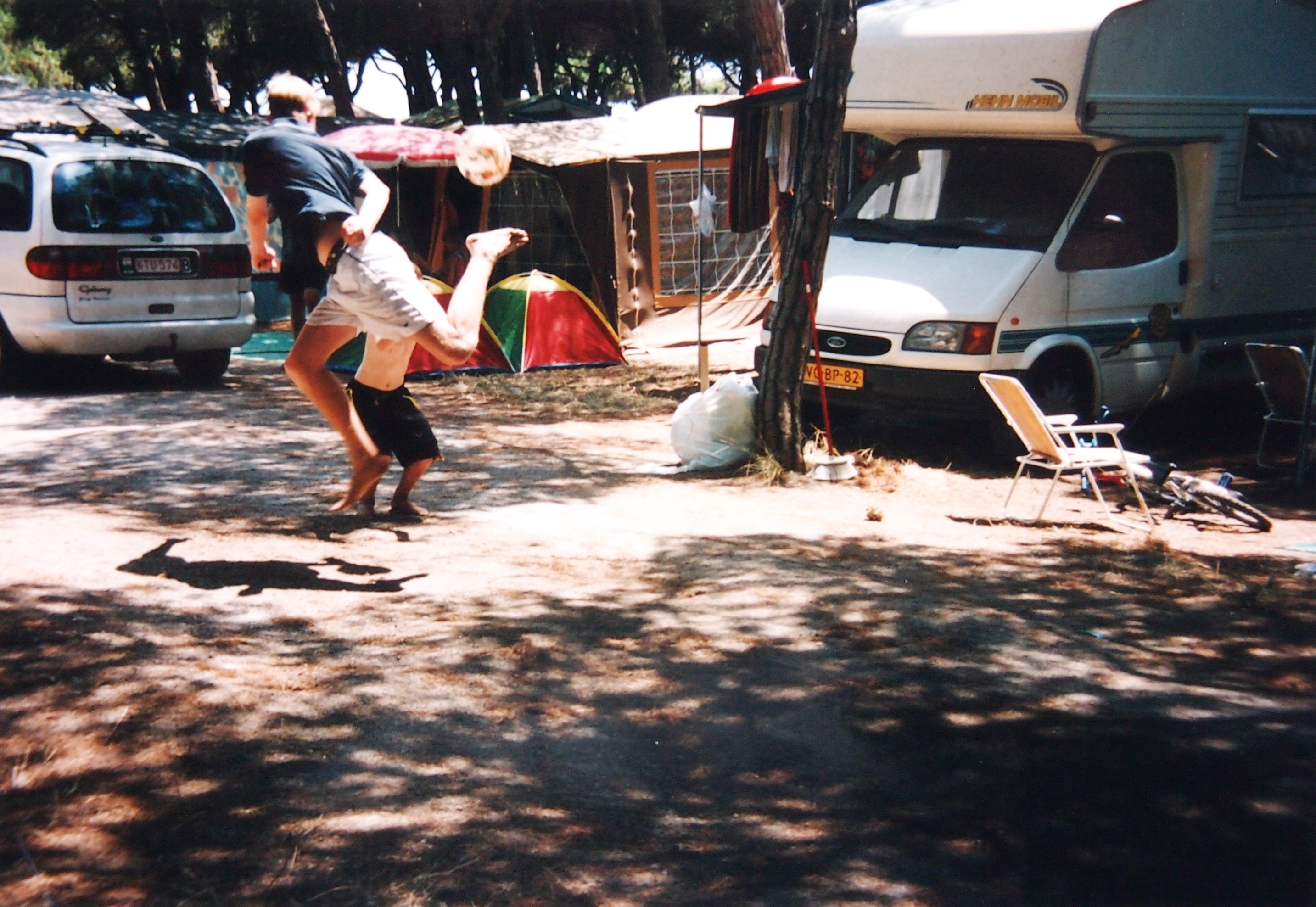
Our campsite had every thinkable kind of facility, so we decided to spend the Saturday relaxing and making use of them. But in the evening, we wanted to go back to the city and find a really good restaurant. We asked at the campsite reception if they could recommend another part of town with restaurants and shops. They suggested a part of town that sounded as though it might live up to our expectations. But we were once again thoroughly disappointed, wandering round streets where there was not much to look at. We ended up enjoying a nice cold drink at a bar before setting off for the city centre where we had been the previous day.
We ate supper at a Chinese restaurant. Of course, Chinese food tastes best in China, but we didn’t find anything else attractive. We returned to our campsite after a few hours of shopping and stayed there all the following day.
Farewell to the big city
We left Barcelona on Sunday morning. Yet another experience richer there was no doubt about that. We had enjoyed some lovely relaxing days at the campsite, and the Camp Nou Museum had been really impressive. On the other hand, the city itself had not really lived up to my expectations. I missed a long pedestrian precinct, as well as cosy quality restaurants with delicious food. To my mind the city lacked atmosphere. I would like to have found something similar to Copenhagen’s Nyhavn or a Latin Quarter. Perhaps they were there, but we didn’t find them.
Marseille
Our journey continued towards Marseille, where we arrived early in the afternoon. We drove straight into the city centre and the harbour and found a tourist office. Here we were given a map of the city showing campsites, although there were none in Marseille itself. One of the nearest sites was about 30 kilometres out of the city in the town of La Ciotat.
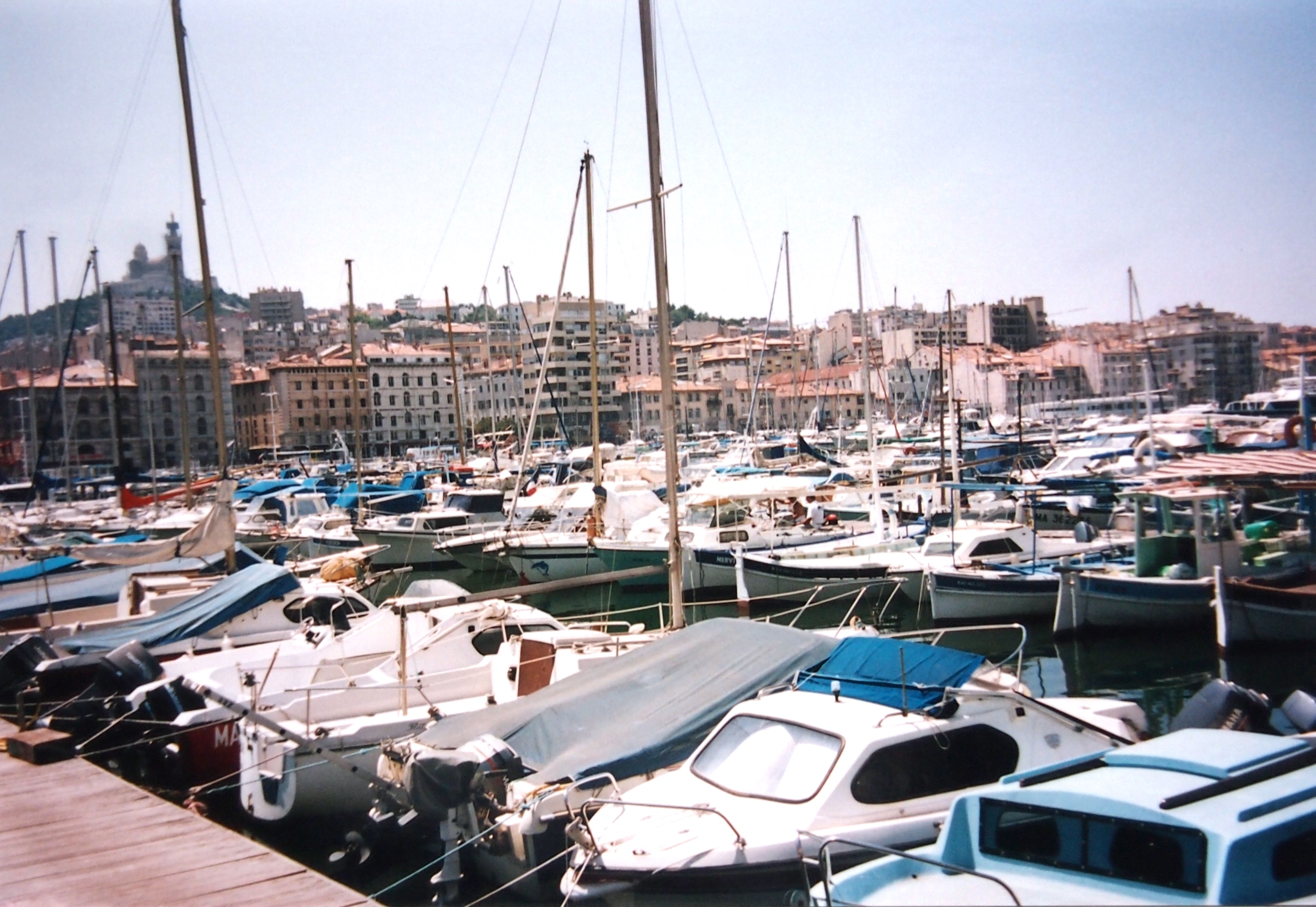
My first impressions of Marseille were more positive than those of Barcelona. From the car, the place seemed more agreeable, with a nicer atmosphere.
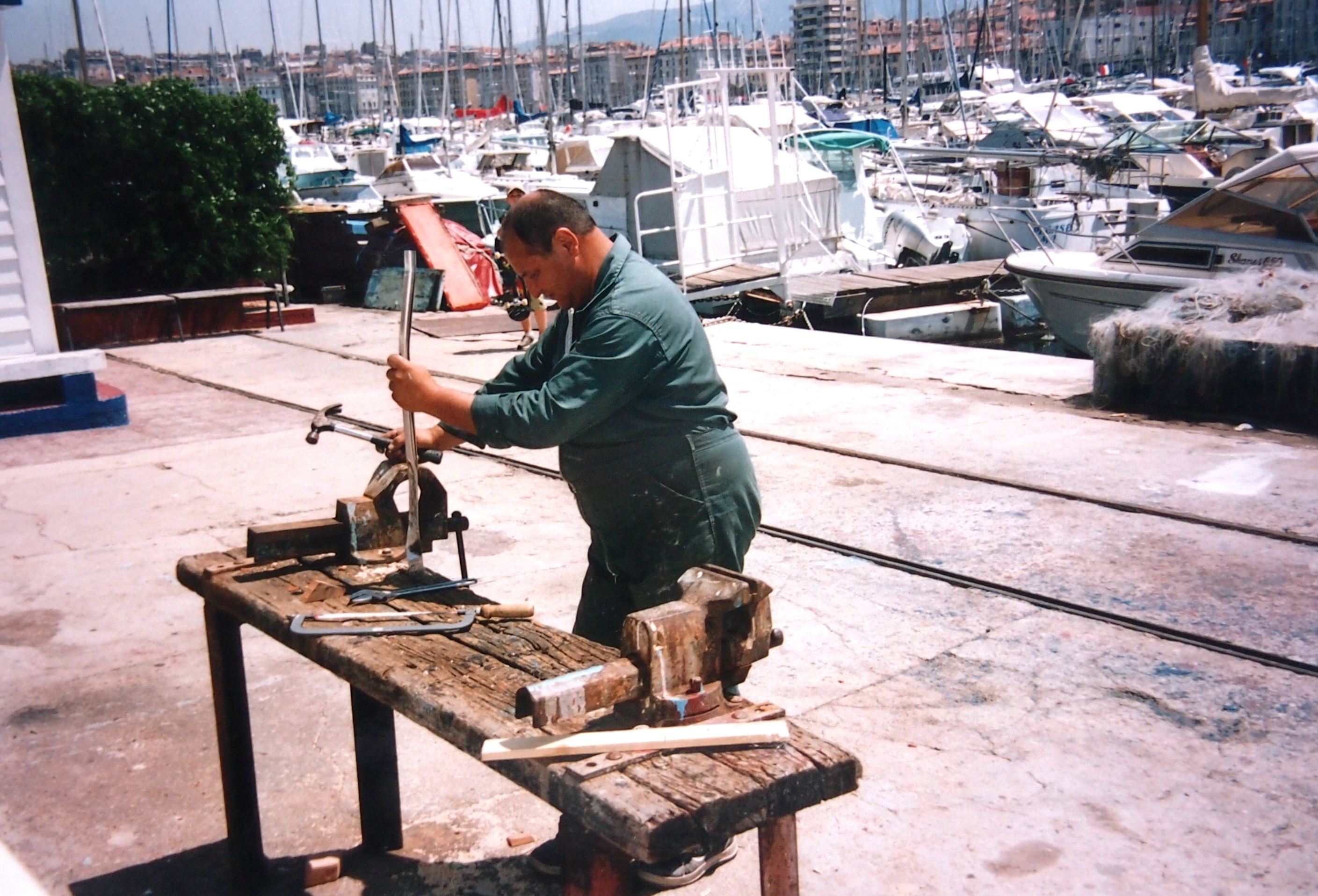
We drove out to La Ciotat and found the Les Oliviers campsite. Although of a lower standard than the previous three we had stayed at, Les Oliviers fully lived up to our expectations of a campsite.
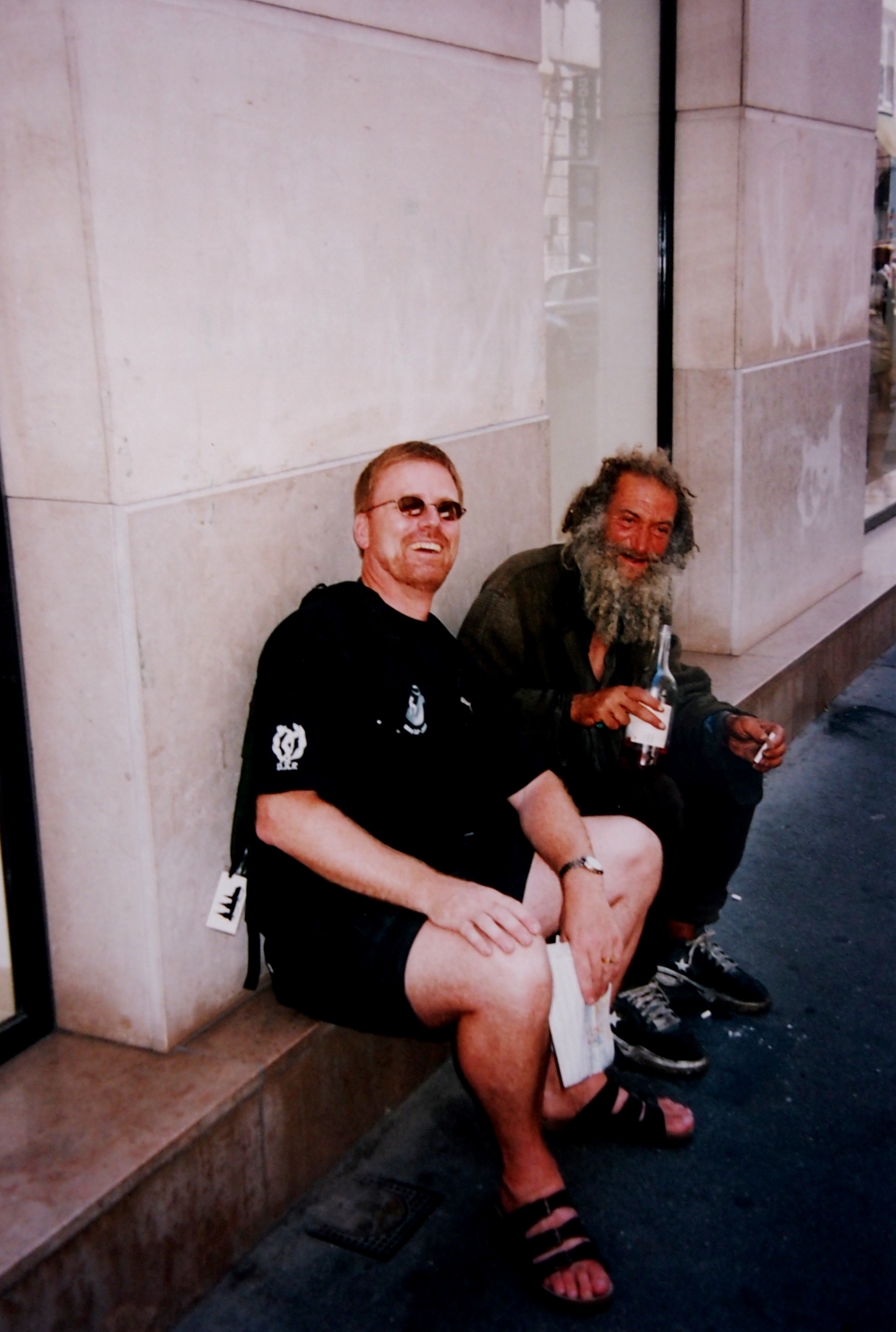
On the morning of Monday 22nd July, we drove into Marseille and visited the tourist office to get some information about shopping streets and places to eat. Then we walked around the streets looking at the shops before heading for the harbour to get a bite to eat. Here we found the kind of cosy atmosphere we had been missing during the past few days. There were lots of eateries with a view of the water and the boats, and we found a nice place. We spent the afternoon exploring the town before returning to the campsite to spend the evening there.
Proper campers
The next day it was time to move on, so we got up early, packed up our gear and set off. We bought breakfast at a filling station and downed it standing by the car. We had seen other people at the campsites arrive with their mobile homes, huge caravans and villa tents. Many “campers” set up their pitches like small summer cottages, with furniture, refrigerators and TVs with dish antennas. But we used a torch to find the way into our three-man tent. We prepared our breakfast on the bonnet of the car and ate it, standing up, and our clothes were in bags in the boot. It might be a bit of a challenge to find things from time to time, but we were having a lovely time. We didn’t miss all the mod cons we were familiar with back home.
A new big country and a new city
We spent the morning and half the afternoon on the road, eventually arriving in Italy. By mid-afternoon, we were in the centre of Milan, where we found a multi-storey car park near the huge square adjacent to the city cathedral. The cathedral was, unfortunately, under repair at the time, so its splendour was hidden from view. Most of it was behind scaffolding, which rather ruined the pictures I took.
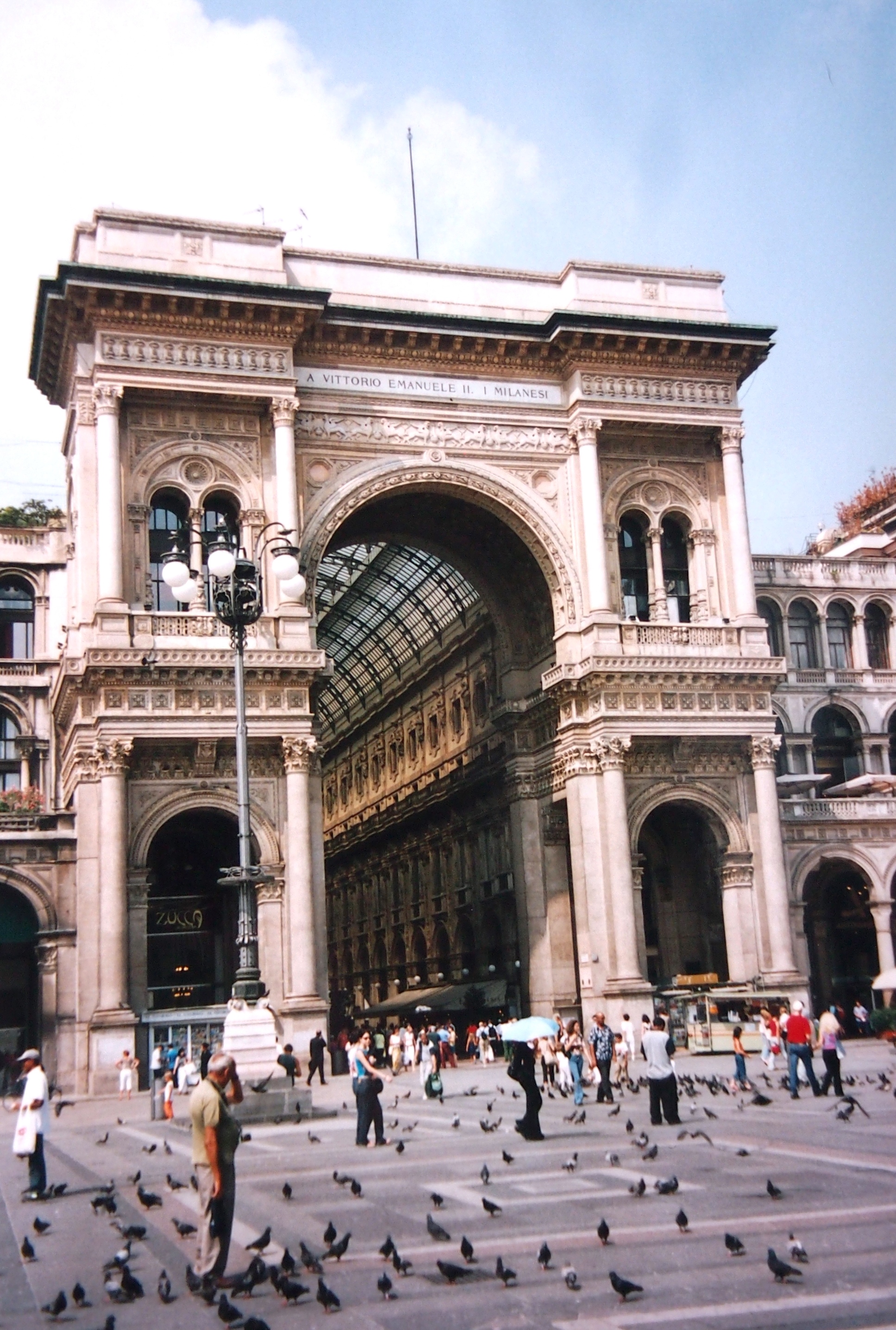
From Milan, we drove out to our campsite 11 kilometres from the city centre. It lived up to our expectations like the previous sites, so we were happy enough. Apart from driving out in the evening to eat supper, we pottered about the campsite for the rest of the day.
Stadio San Siro/Stadio Giuseppe Meazze
On the Wednesday, we visited the last football stadium on this trip. For some reason or other this stadium has two names, both Stadio San Siro and Stadio Giuseppe Meazze. It was actually in the same area as the campsite, so we didn’t have far to drive.
Milan can boast of having two of the world’s best football clubs: AC Milano and FC Internazionale Milano, commonly known as Inter. Both clubs have their home at the Stadio San Siro, which is also characterised by this. It looked as though the clubs lived in peace and tolerance under one roof. Whether there is cooler air beneath the surface between the rivals is anybody’s guess.
As we had done in Amsterdam and in Barcelona, we took a guided tour and visited the museum. It was great to see the huge stadium that can seat 85,000 spectators, although the guided tour was an incredibly “weak cup of tea” compared to what we had experienced at the other two major clubs. The guided tour was uninspiring, and what we saw was very limited.
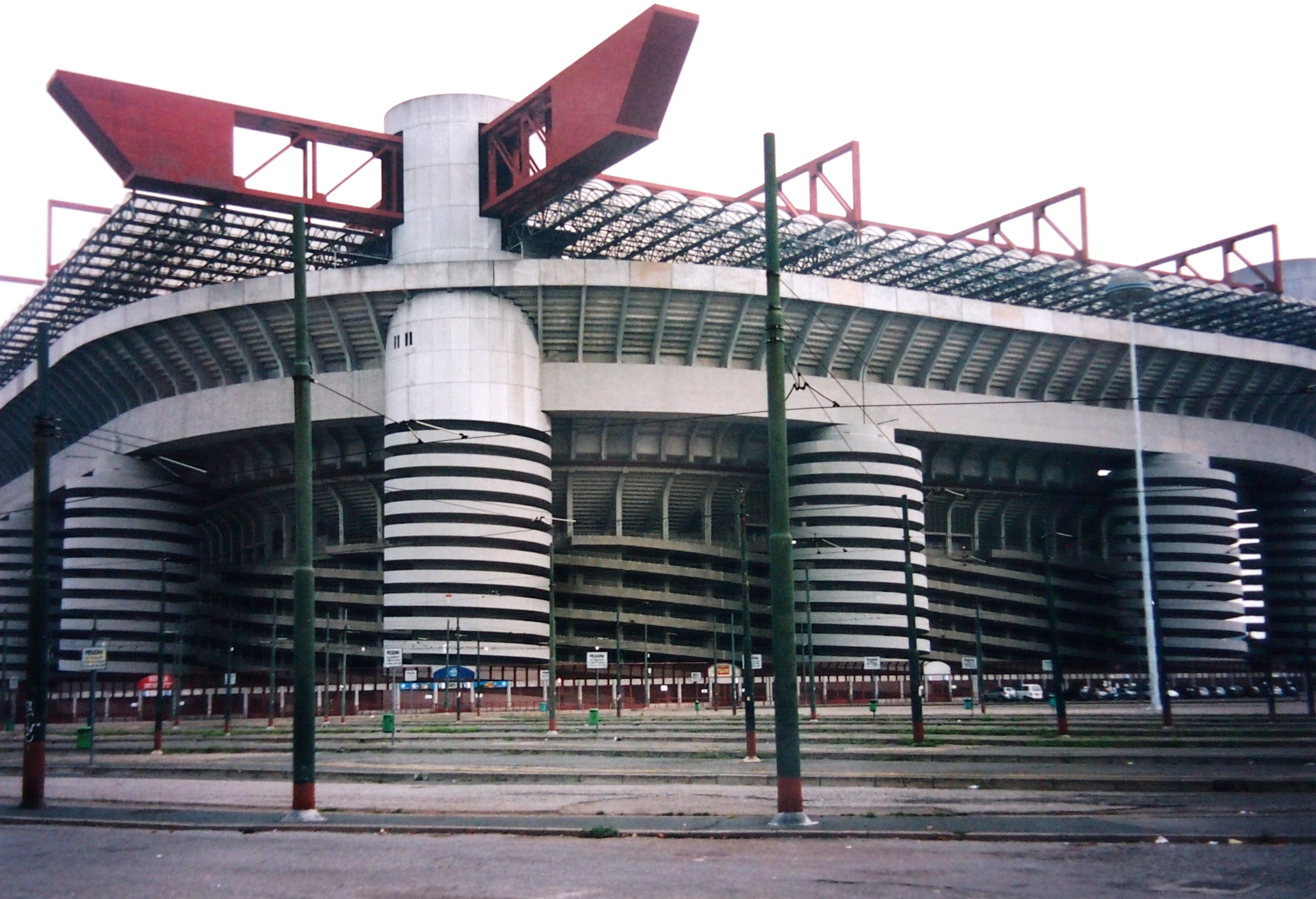
The museum was interesting enough, though it paled in comparison to Ajax Amsterdam and particularly Barça. It was difficult to see that this was a museum for two major clubs with a shared harvest, at that time, of all of seven European Championship trophies and five as the best teams in the world.
We spent the rest of the day exploring Milan, mostly on the boys’ premises. I had a run in Davos ahead of me and until then, the boys’ wishes had been at the top of the list, not that I didn’t enjoy as much as they did what they chose for us.
A day of games
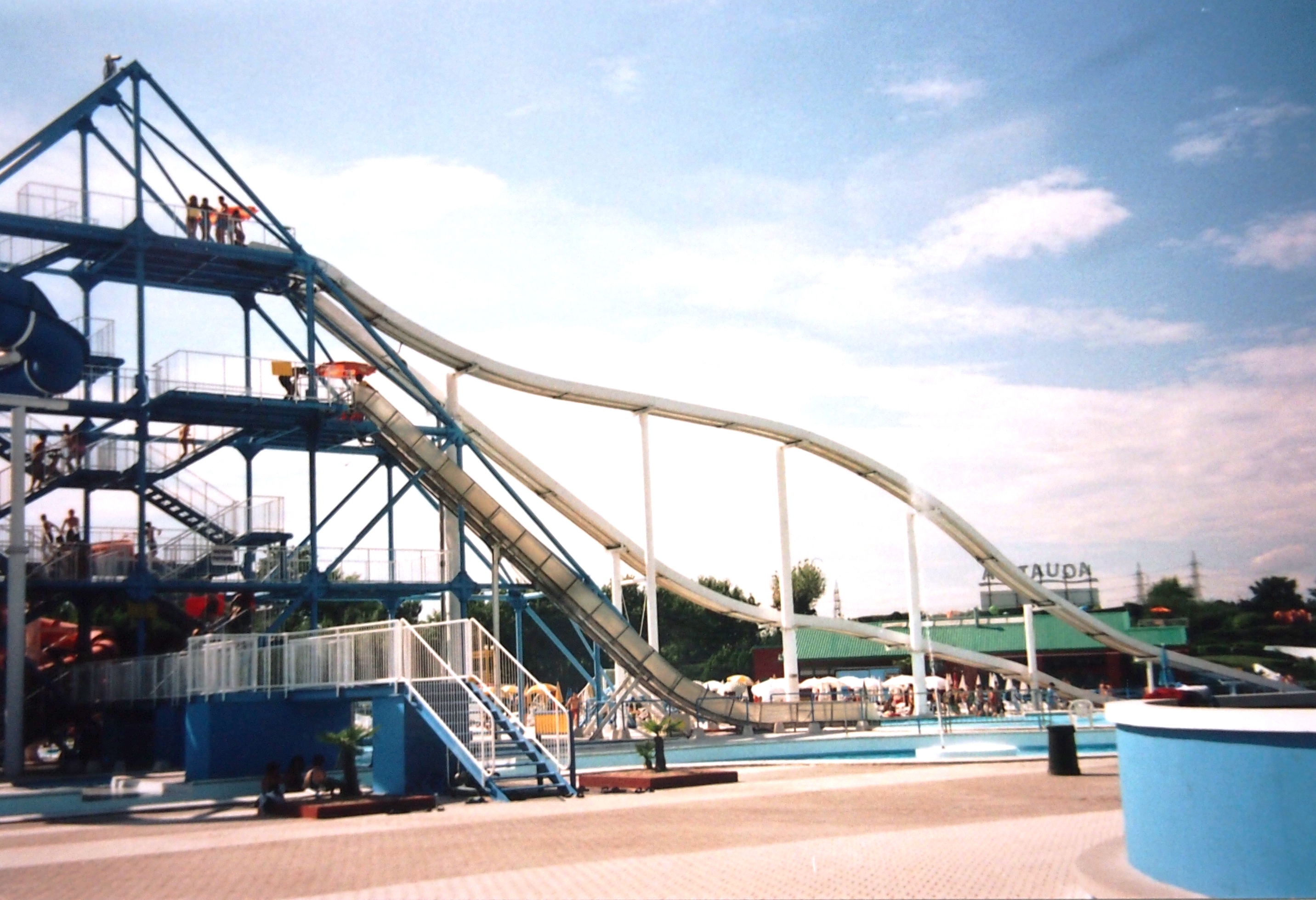
We spent the Thursday at the campsite and in the surrounding area. We visited a Water Land with slides and other fun facilities, and later we played football and chilled out.
Obstacle race to Switzerland
You could say our “European tour” ended on Friday morning. Now it was time to head for the journey’s actual destination: Davos in Switzerland. We packed our tent for the last time on this trip and set off.
The first part of this leg of the journey was rather trying because the traffic on the motorway crawled along at 40 kilometres an hour. But there was more awaiting us, and we had great difficulty getting out of Milan on the way to Switzerland. Whether it was our own fault or questionable accuracy on the part of our new navigation system is difficult to say, but somehow we managed to drive a ring around Milan, ending at the same place all of the four times. Getting back on the right track cost us two hours. At that time, we had driven for two and a half hours and got 22 kilometres closer to Davos, which was deeply frustrating.
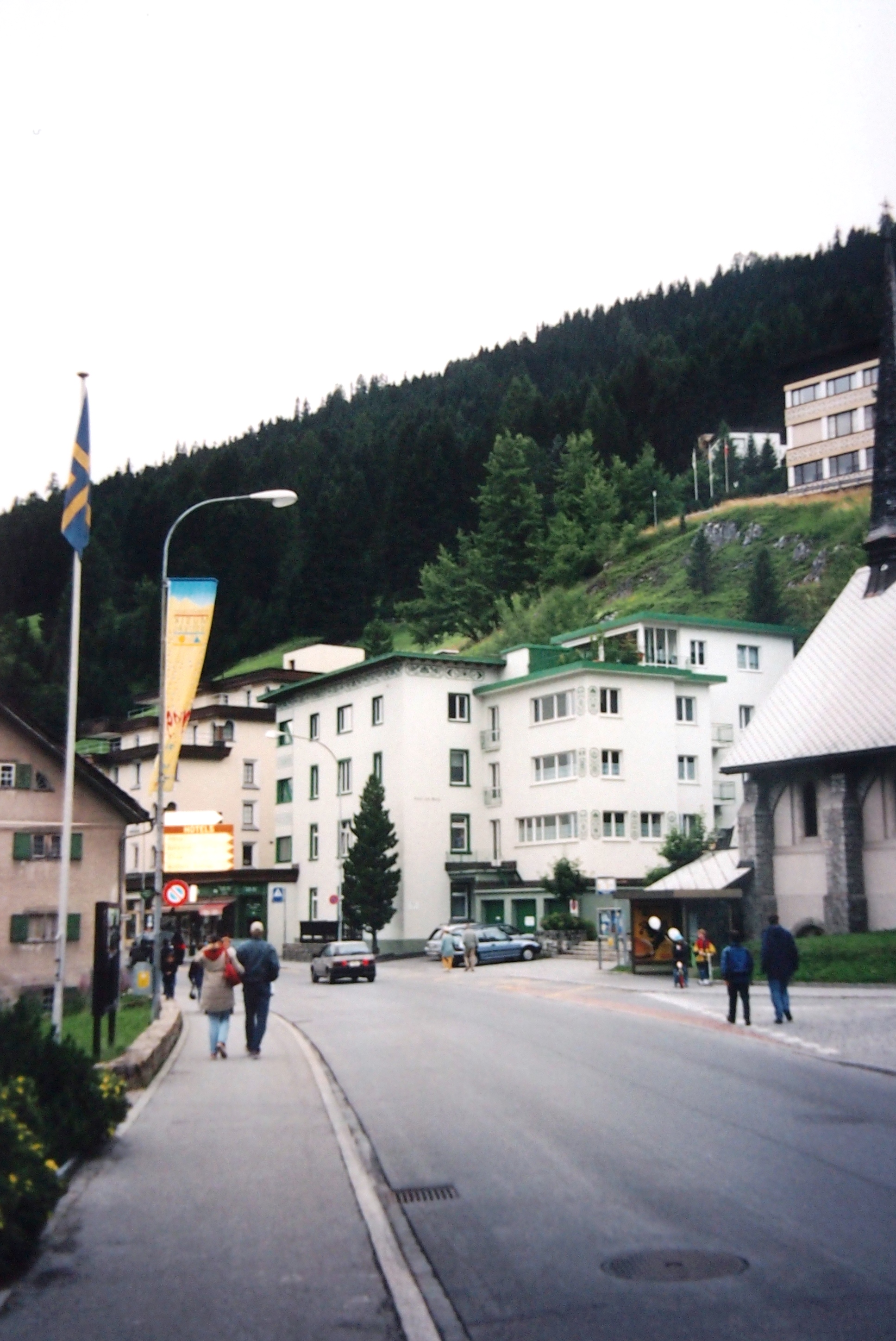
But when we finally found our way there were no problems, and we took the straight track to Switzerland. After we left the motorway and took to the small roads, we could see the beautiful Alps approaching in the distance. As we got closer, we were on proper mountain roads but drove steadily on without a hitch to Davos, arriving in the middle of the afternoon.
A lovely town in cool surroundings
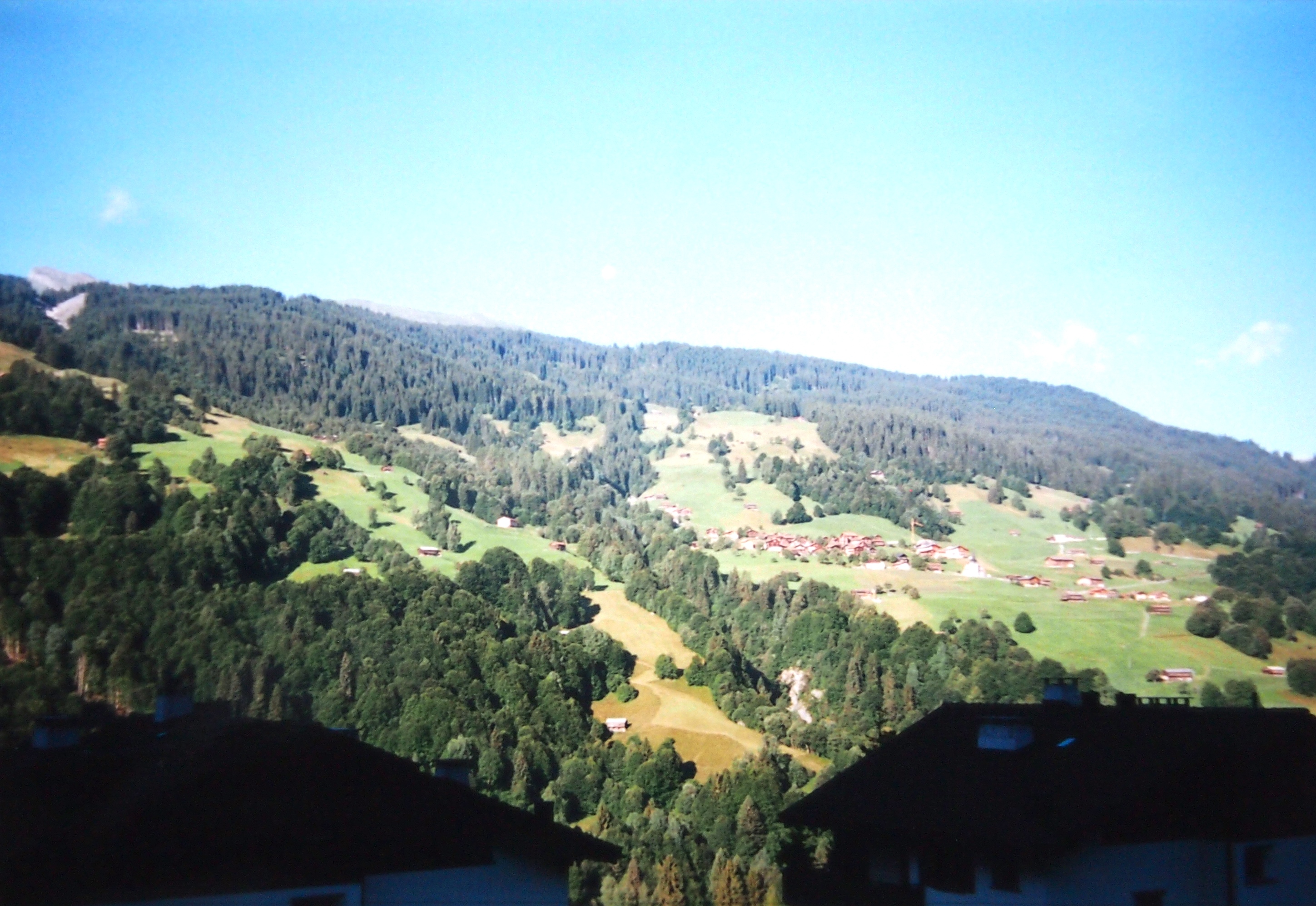
Davos is an immensely beautiful Alpine town which, with its population of 11,000 was a bit bigger than I had imagined. The town is situated in eastern Switzerland in the canton of Graubünden. Davos is 1,560 metres (5,118 feet) above sea level, making it the highest market town in Europe. It is a long, narrow town, which in reality are two small towns that have grown together. Davos is best known as a winter sports centre, although it is also known for the meetings of the World Economic Forum that take place here every winter.
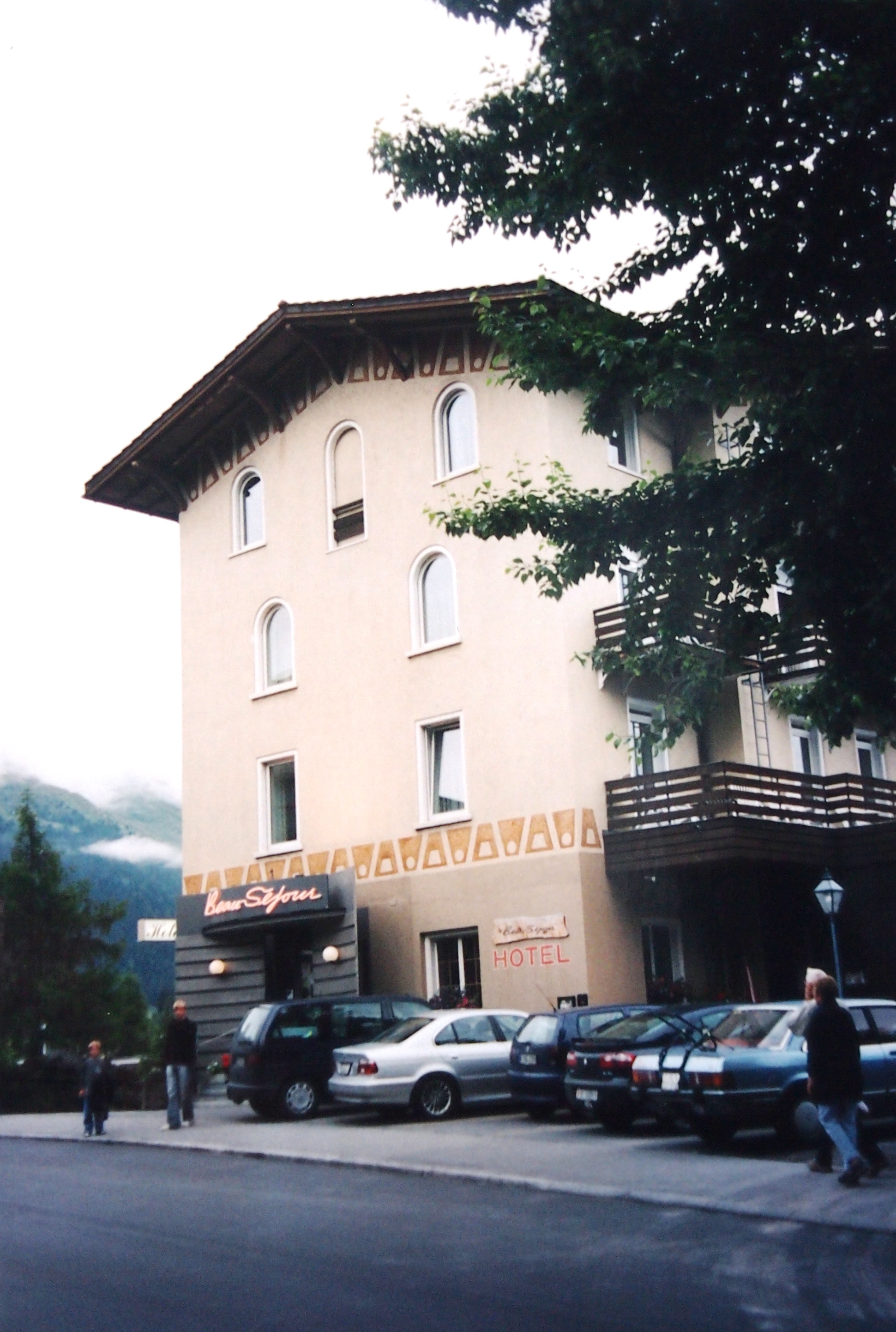
We had no problem finding our hotel in the town centre. It was an extremely positive experience, and I was highly pleased to have decided to stay at a hotel on the last stop of our journey. I was also very pleased that, by chance, I had happened to choose the Hotel Beau Sejour. It was a clean little hotel with pleasant, service minded staff. The room was perfect. Nothing could have been better.
Having settled in at the hotel, it was time to put on long trousers and jackets. We had suddenly left the heat, and now summer clothing was not enough. The temperature was half of what we left in Italy that same morning. It also rained while we were there, and in some places laid small snowdrifts – so the boys and I were able to throw snowballs at each other in July. That was a bit surreal.
Just a few minutes’ walk from our hotel lay the conference centre where I was to pick up my start number for the run, which I did without delay. As always in places like this, it was possible to buy all sorts of running gear, and I didn’t leave, either, without having aired my credit card. We then had a bite to eat before returning to the hotel, where I laid out my running clothes for a great event the next day.
Early in the evening, we went to the town’s ice rink, which was next to the start and finish of the run and not far from our hotel. We ate some pasta here but didn’t stay long. After a short walk around the town, we returned to the hotel, so that I could get a good night’s sleep before the big challenge the following day.
Unbelievably beautiful morning
Saturday 27th July was the day of a very special, but also very challenging, marathon. Not only did I have butterflies in my stomach, I had had difficulty getting to sleep the previous evening as well as waking up early. After breakfast, we proceeded to the start.
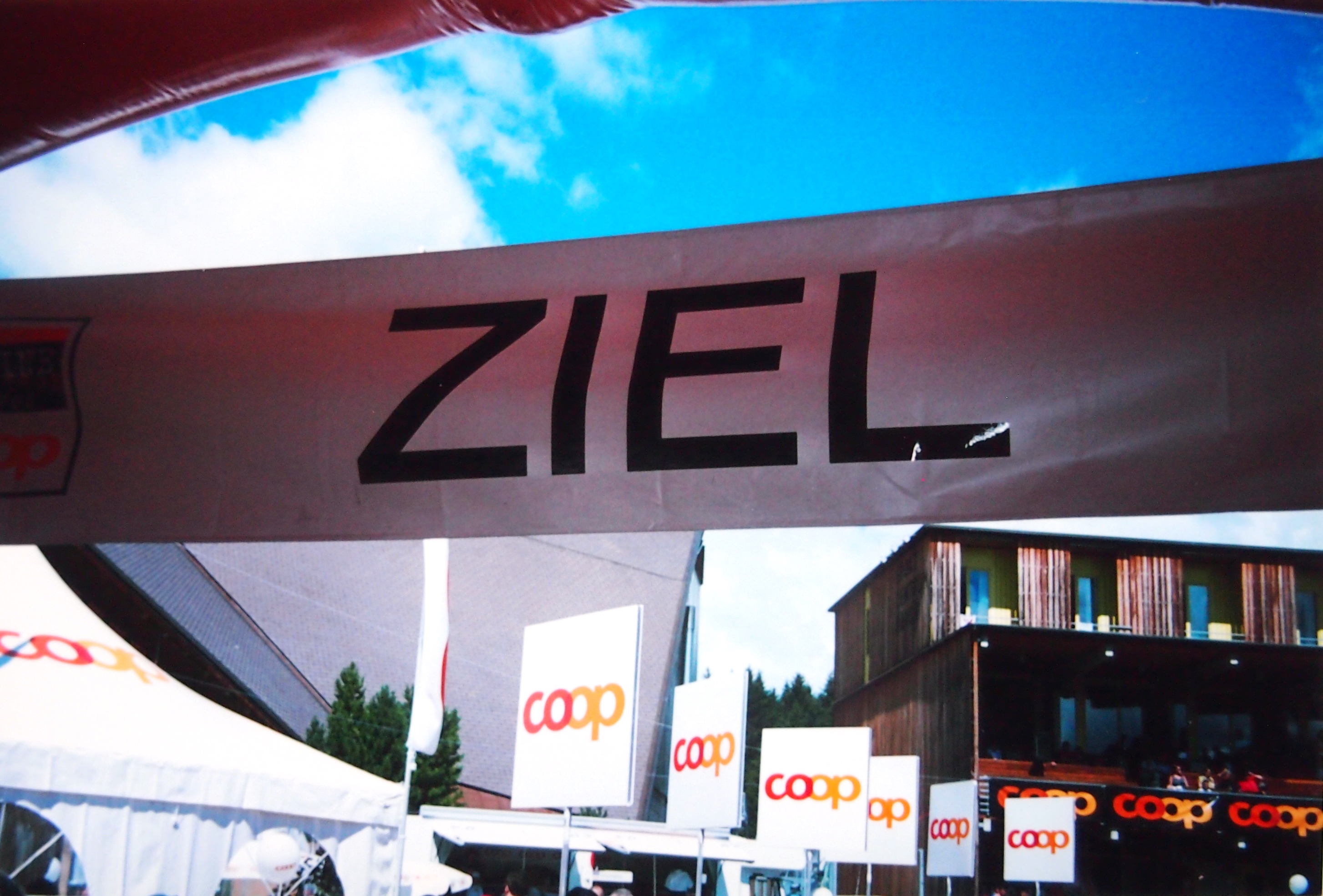
The run started at 8 a.m., and the first section took us through the streets of Davos. The landscape we were running through was ever so beautiful. There were mountains, small cosy Swiss houses, cows with bells around their necks, cable lifts, streams, woods and all sorts of other beautiful things. There were also steep slopes in some places that really “pulled teeth”. In other places, there were steep downhill stretches, where I increased my pace, having discovered that I was using as much energy slowing down as I was running.
At the start of the run, the going felt tough, and there was a long way to the finish at 78 kilometres. But I gradually found my rhythm and was now able to enjoy the run.
Catastrophe
In a wooded area about 18 kilometres into the run, catastrophe struck. At that point, I was running alongside two other runners and in front of us were some people out walking in the woods. As we approached the group, I stepped onto the verge to pass them, and as I did so I twisted my left ankle just as I had done three months previously. The sprain seemed a bit different this time, so I decided to grin and bear it and continued at a slower pace. I hoped it was temporary and would go away. But it didn’t.
I half ran, half walked, looking forward to arriving at a water station with a team of first-aiders. But this didn’t come for another six kilometres. I had hoped that they would have an ice spray and sports tape, but they had neither. Instead, they applied a cooling cream to my swollen ankle and bandaged it.
I continued but soon got used to the idea that I would not be able to run all 78 kilometres. Instead, I counted on running the median distance of 42.195 kilometres. Soon, however, I was unable to run at all. I decided to try and get to the next station, which at the same time was the finish for the shortest distance of 30.5 kilometres.
The final kilometres were no fun at all, and my foot was extremely painful. I managed to cross this line and announced that I was withdrawing. I was informed that they would recognise my having completed the “short” distance. I was thankful for the consolation prize, but still a bit bitter. I had never withdrawn from a run before, but of course there had to be a first time.
I was taken to a first-aid tent where they cooled my foot and applied a new bandage. They considered sending me to the hospital but made do with driving me to the official run medic at the finish. He didn’t think I had broken anything and suggested I might get it X-rayed in Denmark. It would be too complicated, what with all the paperwork and insurance, to get it done in Switzerland.
The doctor despondently shook his head when I told him that I had run 12 kilometres on that foot. He also advised me not to drive home the following day, but I didn’t agree. We had no further hotel reservation, and I had work to do back home.
I was convinced that my spring injury had returned. I should have been wearing sports tape on my foot like I did in China, but had been convinced that the injury was a thing of the past. You certainly learn from your mistakes.
Decision to take revenge
After my visit to the doctor and meeting the boys at the finish, I had a bite to eat, and we watched the other runners crossing the line. After an hour or more we went back to the hotel, where I lay on the bed and did nothing for a whole hour, after which I lay in a hot bath for almost as long.
Having packed our things we drove further down through the town to find something to eat. After that, we went to the finish to watch the last runners crossing the line, and I couldn’t help thinking that I should have been one of them. We saw on a noticeboard that I had officially completed the short distance and that I was number 548 and third last of the men on this distance. But that was of no interest to me.
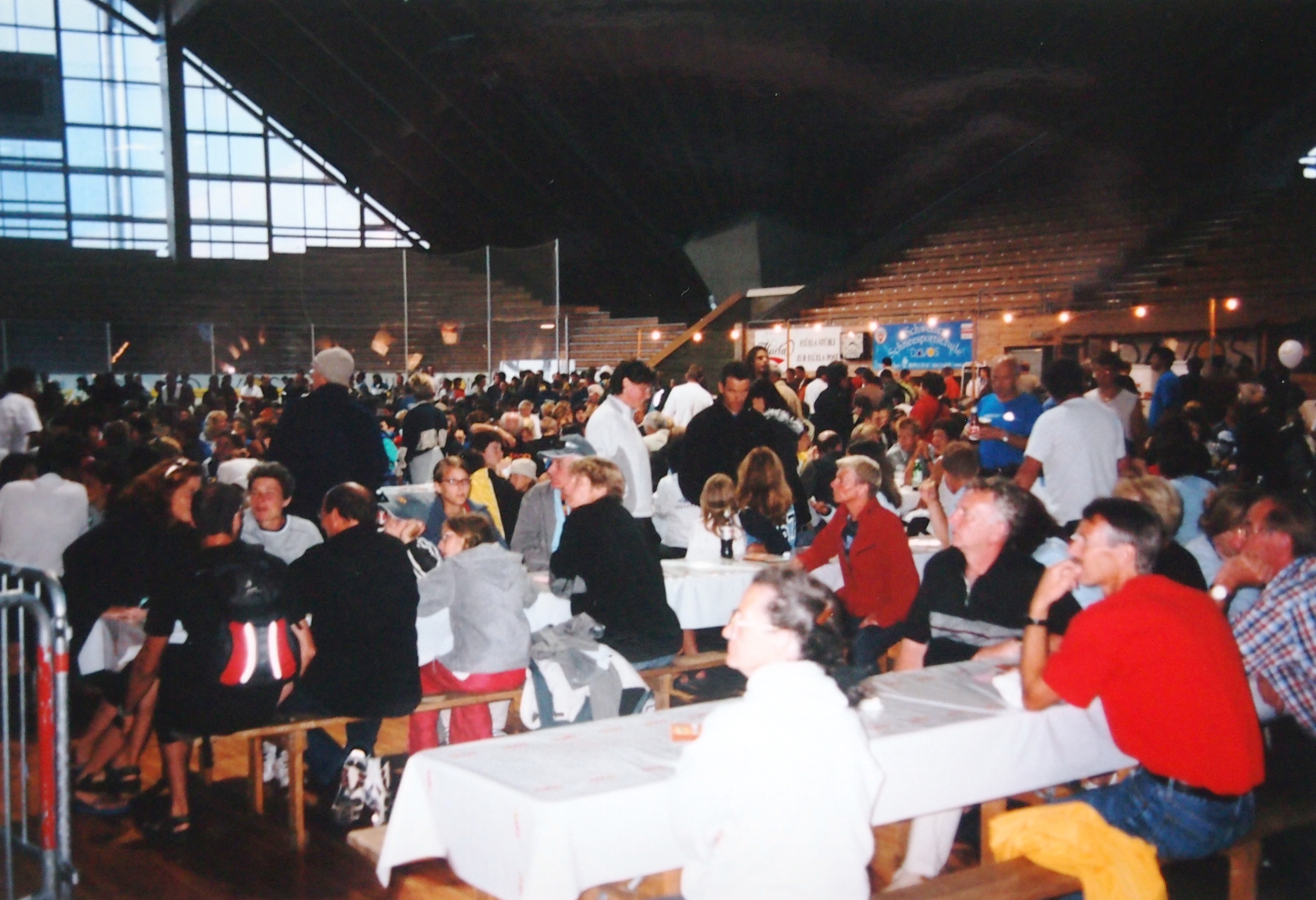
Then we went along to the ice rink to see the presentations. Here, we saw photos from the run on giant screens, and I noticed how incredibly beautiful it was at the top of the route, where the runners went through the snow at the top of the mountain. I must admit that it was a bit painful to see this, knowing that I could have done it myself but had to give up. That evening I said to the boys: “We’ll be back next year”.
I had a restless sleep that last night of the trip and lay awake several times. It wasn’t because my foot hurt it was just the way it was. I found it rather irritating, though, because I had 1,300 kilometres to drive home the next day.
Expensive visit to Austria
We got up early on the Sunday, packed the car and ate breakfast, leaving Davos before eight.
I was a bit anxious about how my left foot would manage the clutch pedal since the doctor had advised me not to drive home. I have to say that I had no problems at all. I also wondered whether I would have enough energy to drive that far, or whether I would start to doze off. That wasn’t a problem, either.
From Switzerland, we paid lightning visits to Lichtenstein and Austria. On the border with Germany, the police were stopping the traffic. I thought there had been an accident, but I would soon know better. I had exceeded the speed limit, which cost me 167 euros. In addition to that it turned out that you had to pay a toll fee to drive in Austria. I knew this was the case in Switzerland but not Austria. That was my own mistake, of course, because it was up to me to acquaint myself with the country’s rules and regulations. This cost me a further 120 euros, so in all I had to cough up 287 euros, which is more than 2,000 Danish kroner. That was an annoying lesson to learn.
Apart from filling up with fuel and buying food, we drove more or less non-stop through Germany. We were relatively lucky as far as traffic was concerned and were able to sail from Puttgarden at 9.15 p.m. the same evening. We were back home in Roskilde by midnight.
A pleasurable trip had come to an end. We had driven almost 5,000 kilometres, visited 11 different countries and four big cities. We had been on guided tours of three of Europe’s biggest, most famous football stadiums, and I had had a taste of what it was like to run in the Swiss Alps. The two bothersome experiences came at the end. I would gladly have done without a twisted ankle and two fines..
Buy the book here.
