


In 490 BC, while the Athenians were expecting an attack by the Persian army at Marathon, the oldier Pheidippedes was dispatched as a courier to Sparta to ask for help. He then ran on for two days to Athens to proclaim the news of the victory, and having done so, he collapsed and died. There is no historical background to the legend, which was not written Down until more than 500 years after the event was alleged to have taken place.

The marathon distance has been set at 42.195 kilometres, although the International Olympic Committee has determined the distance between Marathon and Athens to be 34.5 kilometres. There are many explanations and myths about this fact, but none of that really matters. A story doesn’t need to be true to be good.
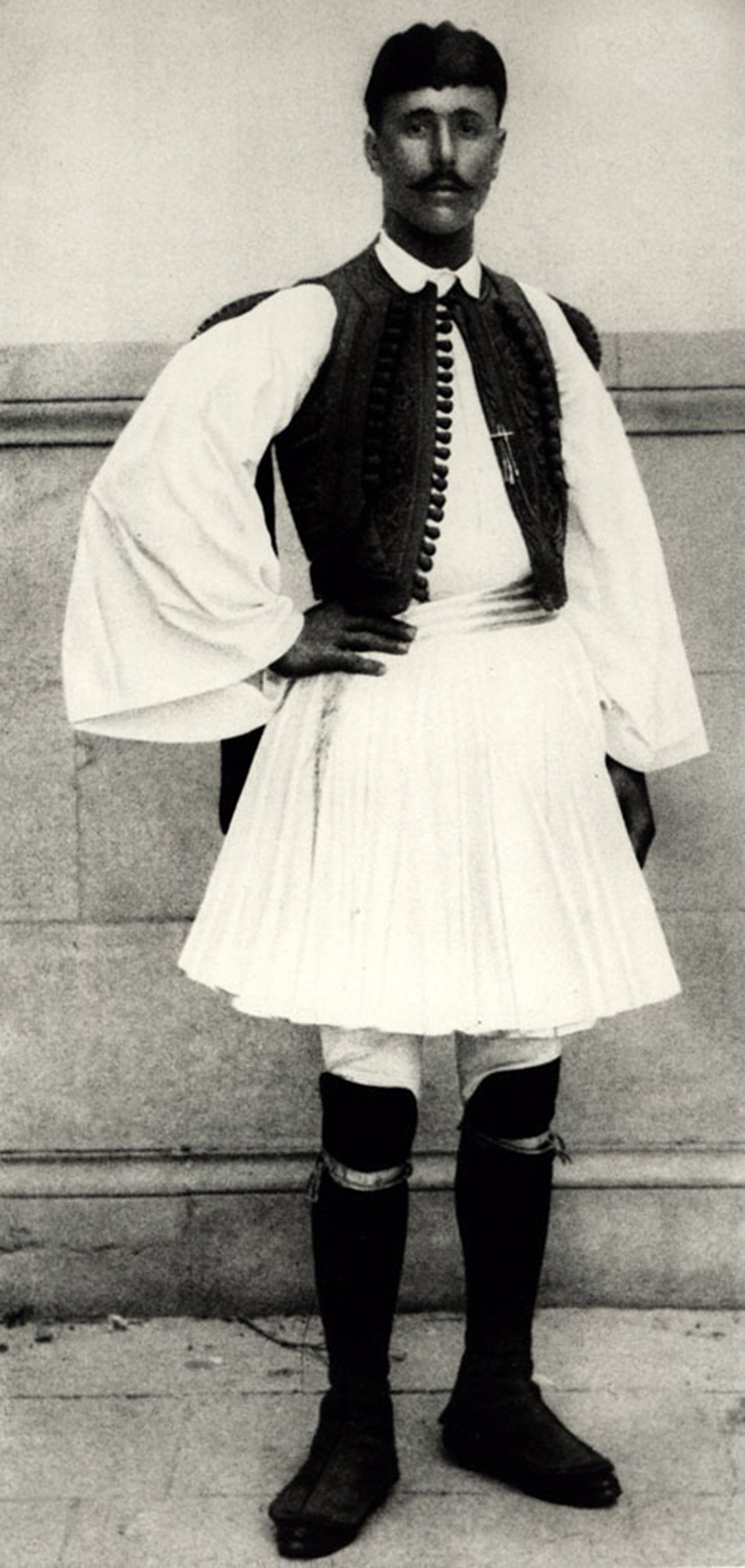
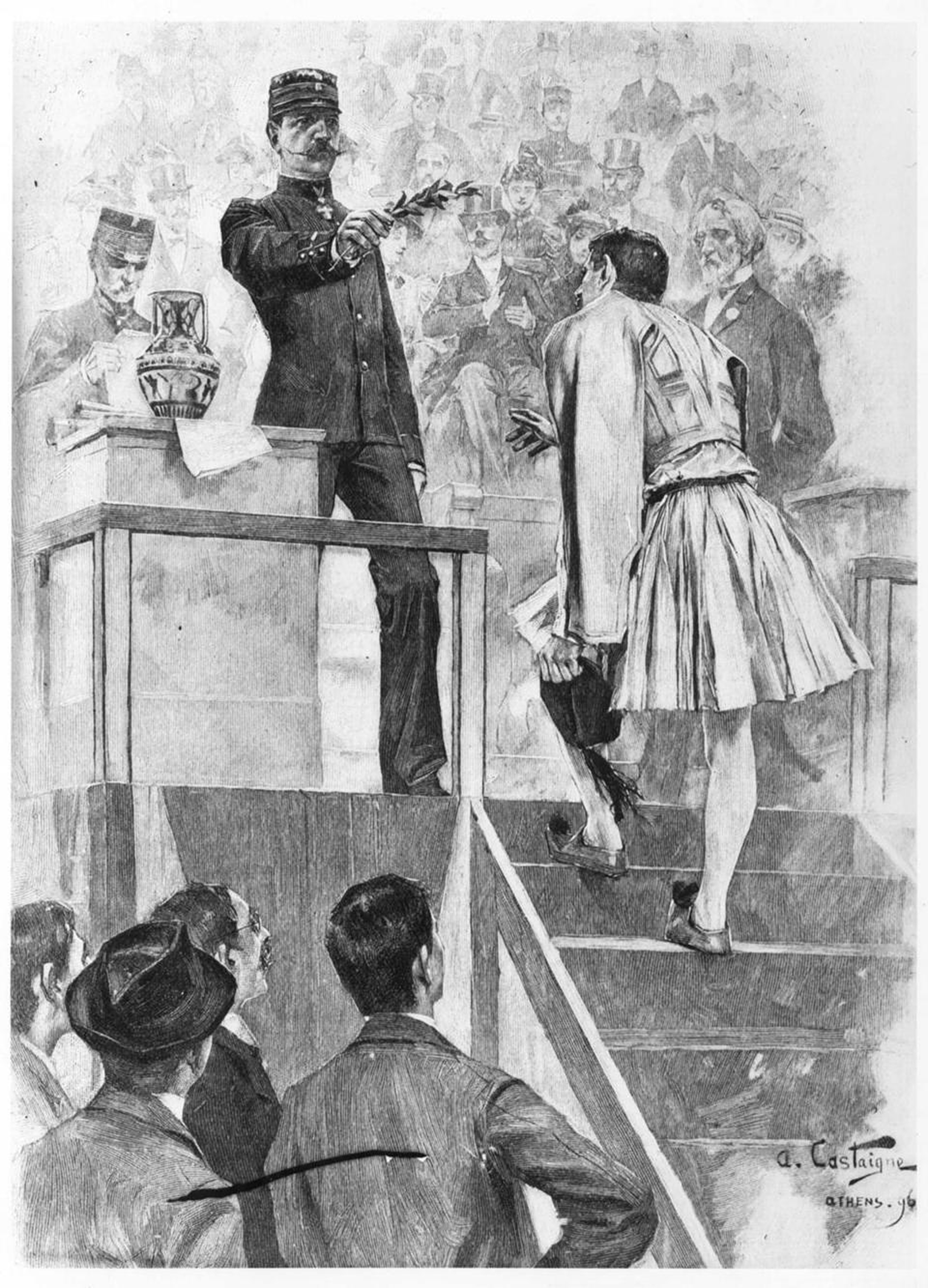
The first international marathon was run at the first Olympic Games in 1896 in Athens. The run began in Marathon and continued for 40 kilometres along dusty streets to Athens. Although the modern Olympic Games are based on the antique games in ancient Greece, the original games did not have running distances of more than three or four kilometres, so it was not for historic reasons that the marathon became an Olympic discipline already in the first year. It was, however, quickly accepted when the historian and member of the French Academy, Michel Bréal, suggested the race should be run between Marathon and Athens.
The “home turf” runner Spiridon Louis was the first Olympic gold winner in the distance and was accompanied by the Greek Crown Prince on his final lap of the stadium, cheered on by an enthusiastic crowd. Louis never competed in the race again, but his victory made him a national hero.
The modern marathon distance of 42.195 kilometres was run for the first time at the London Olympics in 1908. The run started at Windsor Castle and, in accordance with the wishes of the Royal Family, the finishing line was at the royal box at the Olympic Stadium. However, it was not until 1921 that the 42.195 kilometres were officially approved by the IAAF – the International Association of Athletics Federations. In Denmark, 40 kilometres were run until 1936, and it was not until the Danish Championships in 1937 that the distance was set to 42.195 kilometres.
It was AIK 05, the Danish Workers Sports Club of 1895 that organised Denmark’s first marathon on 25th October 1896. The run had 18 starters and nine finishers, and was won by Christian Andersen with a time of 3:26:20. The first Danish Championships in the marathon distance was completed in 1910.
Buy the book here.
